



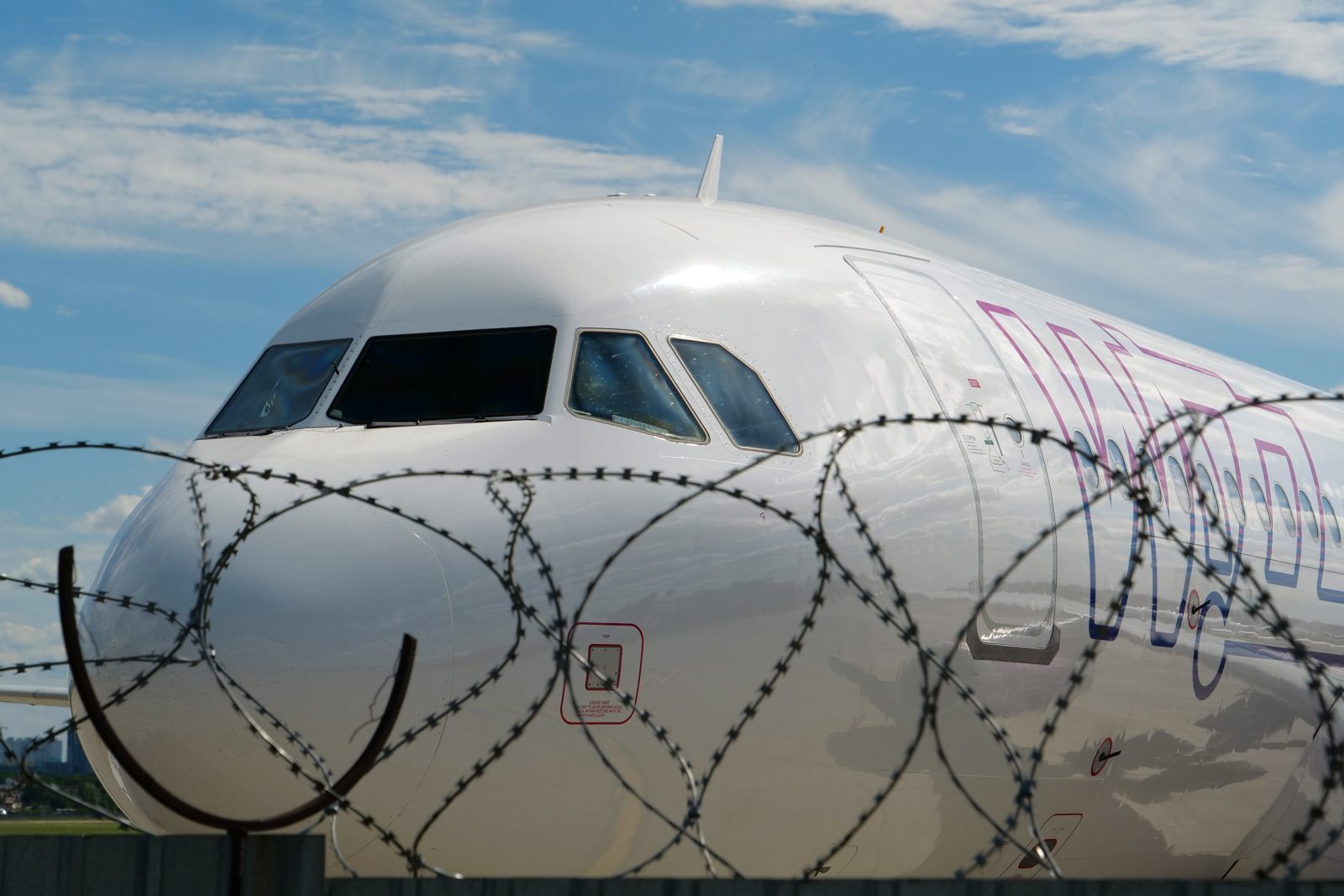
Israeli fighter jets were scrambled to intercept a packed Wizz Air Airbus A321 with as many as 239 passengers on board on Saturday morning after a terror alert was declared.
Wizz Air flight W9-5301 departed London Luton at around 7:50 am on February 8 and was nearing the end of its four and a half flights to Tel Aviv when the pilots reported a security situation unfolding on the airliner.
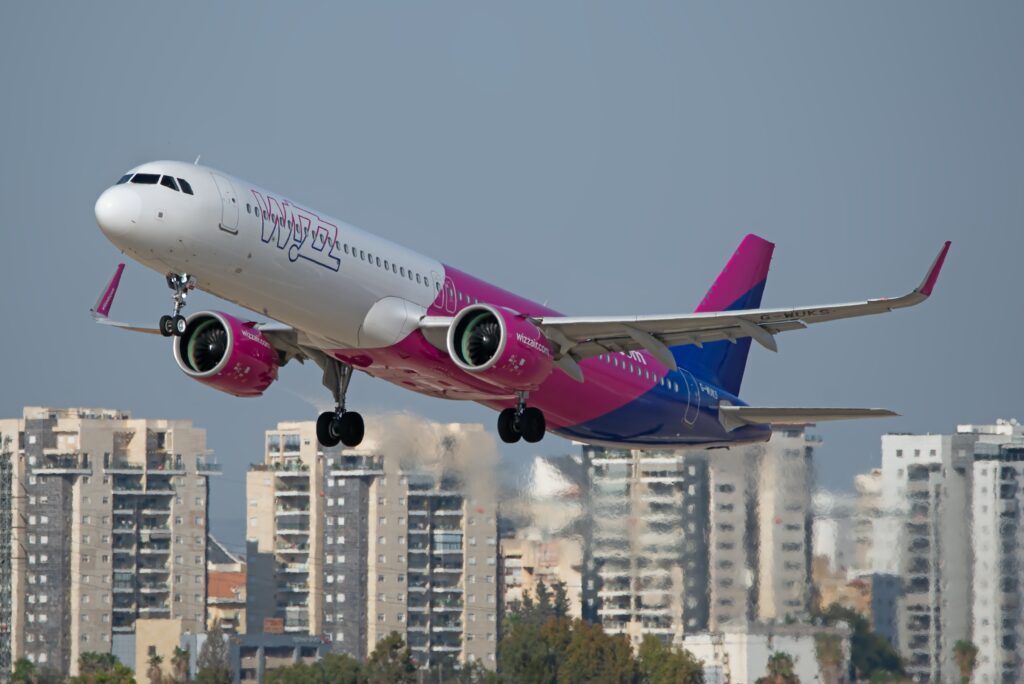
Flying at around 32,000 feet above the Mediterranean Sea, the pilots were ordered to put the aircraft into a holding pattern off the coast of Israel, as fighter jets were scrambled to intercept the aircraft.
The security situation turned out to be a prank: one of the passengers had created a private Wi-Fi network on their mobile phone and labelled it ‘Terrorist’ in Arabic.
Israeli officials were, however, unwilling to take any chances, and a full-scale security alert was declared. After being intercepted by the Israeli air force, the Wizz Air flight was given clearance to land at Tel Aviv’s Ben Gurion Airport, where security forces were waiting to meet the plane.
In a statement, a spokesperson for Israel’s Airport Authority explained: “Due to suspicion of suspicious behavior on the plane, security forces acted according to the procedures for such a case.”
“The plane landed, and it was found that there was no actual incident.”
According to Israel’s N12 news station, preliminary reports suggest the phone that was transmitting the ‘terrorist’ label belonged to an ultra-orthodox couple. The couple claim their son had given them the phone before they boarded the plane and didn’t realise they had a private Wi-Fi network.
Last month, a Turkish Airlines flight from Istanbul to Barcelona had to be intercepted and shadowed by fighter jets from both France and Spain after a passenger on board created a Wi-Fi network called: “I HAVE A BOMB. EVERYONE WILL DIE.”
Turkish Airlines flight TK-1853, operated by an Airbus A321, was initially put into a holding pattern before being cleared to land at Barcelona El Prat Airport and sent to a remote part of the airfield where the plane was searched.
Other similar incidents involving passengers renaming Wi-Fi networks on their phones have also prompted mid-flight security alerts.
Hungarian low-cost carrier Wizz Air wants to expand its presence in Israel and is seeking to become the first foreign airline to open a dedicated base in Tel Aviv.
The plans do, however, face fierce opposition from local Israeli airlines. National flag carrier El Al claims that giving Wizz Air permission to expand in Israel presents a security threat.
El Al reasons that during the Gaza conflict, foreign carriers quickly abandoned the country, while local carriers were the unreliable way for Israeli’s to fly to and from the country. If Wizz Air were to get a foothold in Israel, they claim the country faces isolation if it quickly withdrew its planes at the first sign of trouble.