


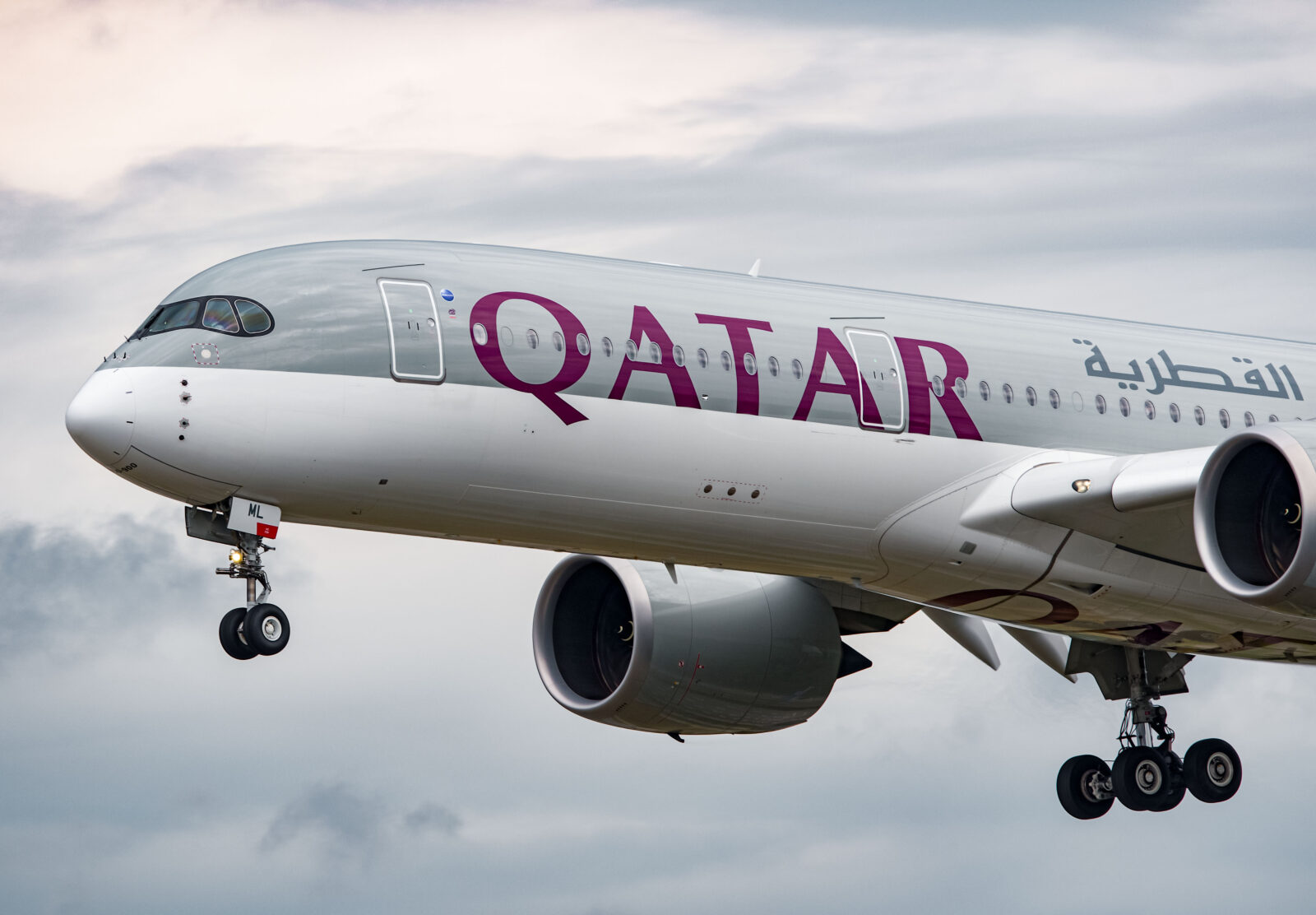
The European Union has been urged to immediately suspend a contentious Air Transport Agreement with the tiny but incredibly wealthy Persian Gulf state of Qatar after it emerged that a key figure on the European side of the negotiations had accepted free Business Class tickets with state-owned carrier Qatar Airways.
Late last month, European Commission vice president Henna Virkkunen confirmed that a senior official had been forced to leave his job for breaching ethics rules.
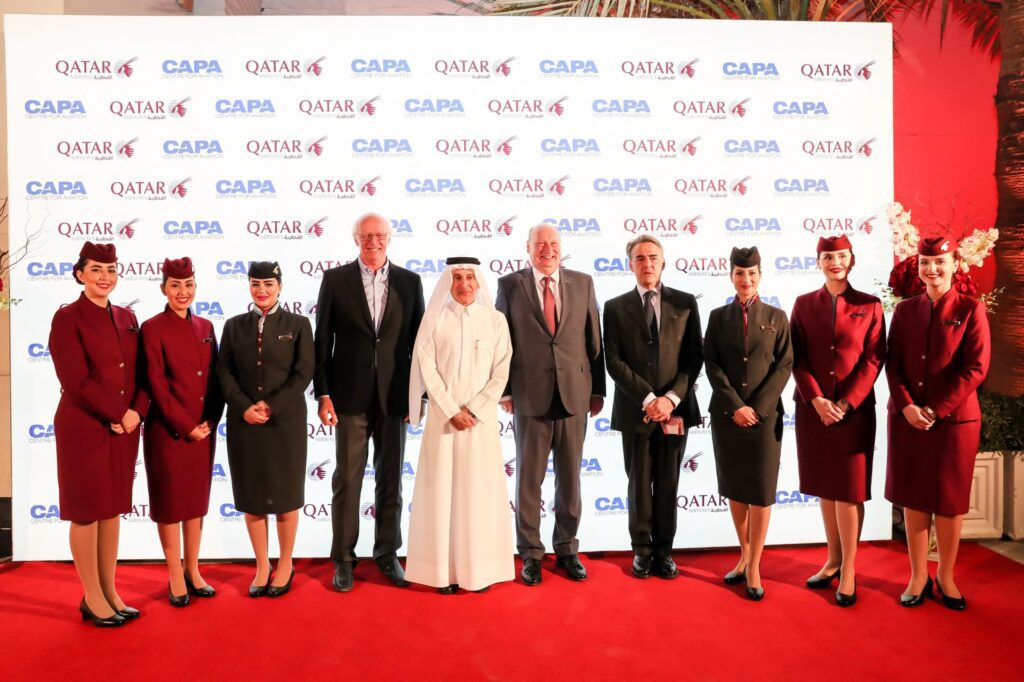
While the Commission has refused to name the official at the center of the allegations, sources have named him as Henrik Hololei, who was director-general of the Commission’s transport and mobility department at the time that the airline deal with Qatar was being negotiated.
In 2016, Qatar became the first country to start negotiating a comprehensive Europe-wide aviation agreement with the Commission, and in 2019, those talks concluded with a landmark Comprehensive Air Transport Agreement.
The deal permits airlines from both the EU and Qatar unrestricted access to one another’s territories, although it is seen as heavily skewed in favor of Qatar and its national carrier, Qatar Airways.
Under the terms of the agreement, Qatar Airways is permitted to open as many new routes to the European Union’s 27 member states as it wishes, dependent on securing landing and takeoff slots at some congested airports.
In contrast, other Middle Eastern carriers have had their growth in Europe throttled by legacy country-dependent agreements. For example, Dubai-based Emirates is currently only permitted to fly to four cities in Germany as part of a decades-old agreement between the UAE and Germany.
Emirates has lobbied the German government for years to allow it further access to the country’s market, but with little success. As a result, Emirates has prioritized operating flights to Frankfurt, Düsseldorf, Hamburg, and Munich, but it really wants to open a new route to Berlin.
Qatar Airways does not have this problem because the EU-wide Air Services Agreement trumps any decision by the German government. As a result, Qatar Airways already operates flights to Berlin, alongside Germany’s four other largest cities.
The European Anti-Fraud Office opened an investigation into Hololei’s conduct in 2023, two years after the Air Services Agreement with Qatar formally took effect.
The investigation looked into claims that a key official had accepted free Business Class fares on Qatar Airways and hotels, paid by an unnamed third party, at the time that negotiations on the Air Services Agreement were actively underway.
“Pending full clarification of corruption allegations, the agreement should be immediately suspended,” wrote a coalition of European aviation unions last week.
“Unrestricted market access to the European Union cannot be the product of compromised negotiations,” the statement added.
What has frustrated European aviation workers and EU-based airlines is that the agreement was a bigger win for Qatar than it was for Europe. While Qatar Airways had a lot to gain from unrestricted market access to the EU, there is limited benefit in European airlines opening up new routes to Doha.
The exception to this is airlines that have a business partnership with Qatar Airways, such as Iberia and Finnair, through the oneworld alliance.
The European Cockpit Association, however, says they remain concerned that the agreement creates an unequal playing field.
“These events occur in a broader context of heightened scrutiny of relations between EU institutions and Qatar, within the field of aviation and beyond, reinforcing the need for prudence, transparency, and credibility,” the ECA wrote.
In 2022, a bribery scandal, dubbed Qatargate, rocked the European Commission after a corruption investigation led to the arrest of at least one member of the European Parliament (MEP).
At the time, the fate of the Air Services Agreement with Qatar hung in the balance, and it remains only provisionally enforced. Aviation unions want individual EU member states to withdraw their support for the provisional agreement.


How can anybody trust Qatar?
It is the most deviously clever country in the world. Totally absent are ethics, integrity and morality..
Wow this particular posting has been taken over by such an obnoxious advert occupying the WHOLE screen, it is impossible to complete reading it….. I hope this is just an aberration as it may preclude further visits if it continues or expands…. I understand the need for advertising but when it becomes this extreme, sadly, it is unacceptable.
Hmmmm, I don’t think the advert stack has changed for a while, but let me look into this!