



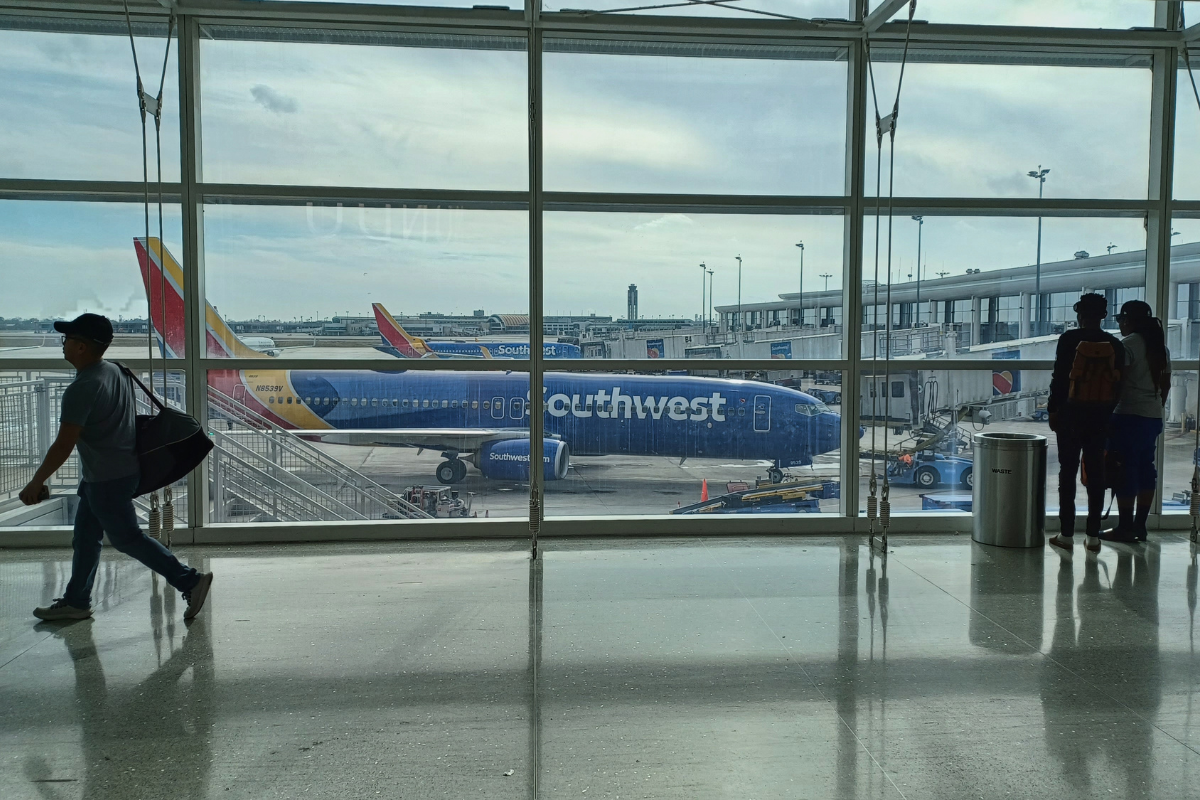
A new row has broken out between flight attendants at Southwest Airlines and the Dallas-based carrier’s management over plans to reduce boarding delays caused by its switch to assigned seating.
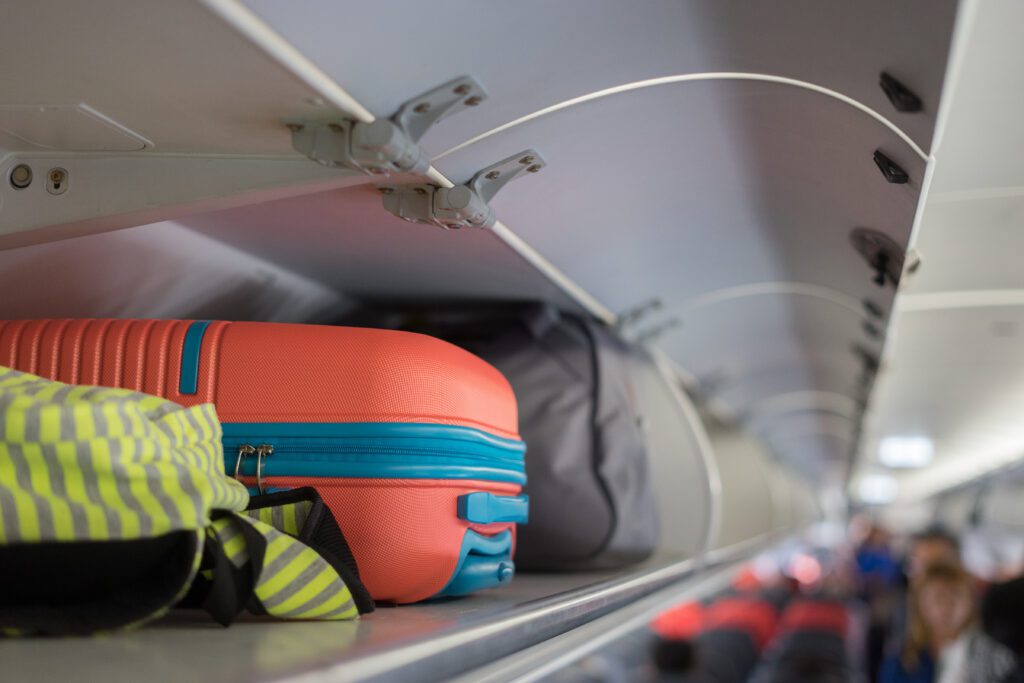
Since ending its iconic open seating policy on January 27, Southwest has been battling with slow passenger boarding because people are struggling to find space in the overhead bins for their hand luggage – a problem that has been compounded by Southwest’s decision to terminate its ‘two bags fly free’ policy.
Southwest has been tinkering with its boarding process in an attempt to speed it up and ensure that planes depart on time – something that is crucial for Southwest, as the airline has committed to reducing turn times (the time between when a plane arrives and then departs again) as part of its cost-cutting strategy.
So far, the changes implemented by Southwest to reduce congestion in the jetbridge and airplane aisle have had a limited effect.
The main problem stems from the fact that nearly everyone with priority boarding is assigned seats towards the front of the plane. The overhead bins in this area quickly fill up with bags, and then passengers struggle to find space for their belongings.
What ensues is passengers stowing their bags further along the plane and then struggling against the tide of other customers as they fight to get back to their assigned seats.
Southwest has now suggested that flight attendants should start the boarding process earlier than scheduled so that planes take off on time, and the idea has drawn a sharp rebuke from the official TWU 556 union, which represents flight attendants at the carrier.
“Southwest Management needs to read the room—and read and respect our Contract,” the union slammed on Saturday. “Upper management is out of touch. Decisions are being made without facing the real-world implications or fully considering the strain and anxiety placed on you,” the memo added.
“They have diminished our flexibility, made our jobs harder, placed us once again directly in the line of fire with frustrated customers, and pitted workgroups against each other through poorly thought-out plans.”
The union was already unhappy with Southwest over the airline’s plan to move a dedicated overhead bin just for flight attendants from towards the front of the plane to the back.
Last month, the union accused Southwest’s management of being caught on the back foot over a slew of issues that should have been easily foreseen when they were making the plans to switch from open seating to assigned seating.
Traditionally, this crew only bin has been in the first few rows of the plane where flight attendants can keep an eye on their belongings. In fact, crew bins on newer aircraft even have a lock and key to prevent passengers from accessing them.
Until now, no one really noticed that the crew only bin even existed. The now extinct ‘bags fly free’ policy meant that hand baggage woes were never a thing at Southwest, while the current issues are only now coming to the fore because of the introduction of assigned seating.
The TWU says that it wants Southwest to succeed, but it says that this can’t be at the expense of the hard-fought contract that flight attendants have negotiated over decades.
“We want Southwest to succeed, and we want our customers to have a great experience,” the union memo added. “But frustration continues to grow when policies are implemented without collaboration and without respect for our Contract.”
Unlike other recent flight attendant contracts, the TWU 556 chose not to bargain for so-called ‘boarding pay’ in their latest contract, opting instead for higher flying pay.
As a result, flight attendants at Southwest do not get paid for time spent on the ground, including for boarding. For the majority of flights, boarding starts at 30 minutes before the scheduled departure, which used to be more than enough time.
In contrast, American Airlines used to allow 35 minutes to board a domestic flight on a single-aisle aircraft, and last May, this was extended to 40 minutes.