



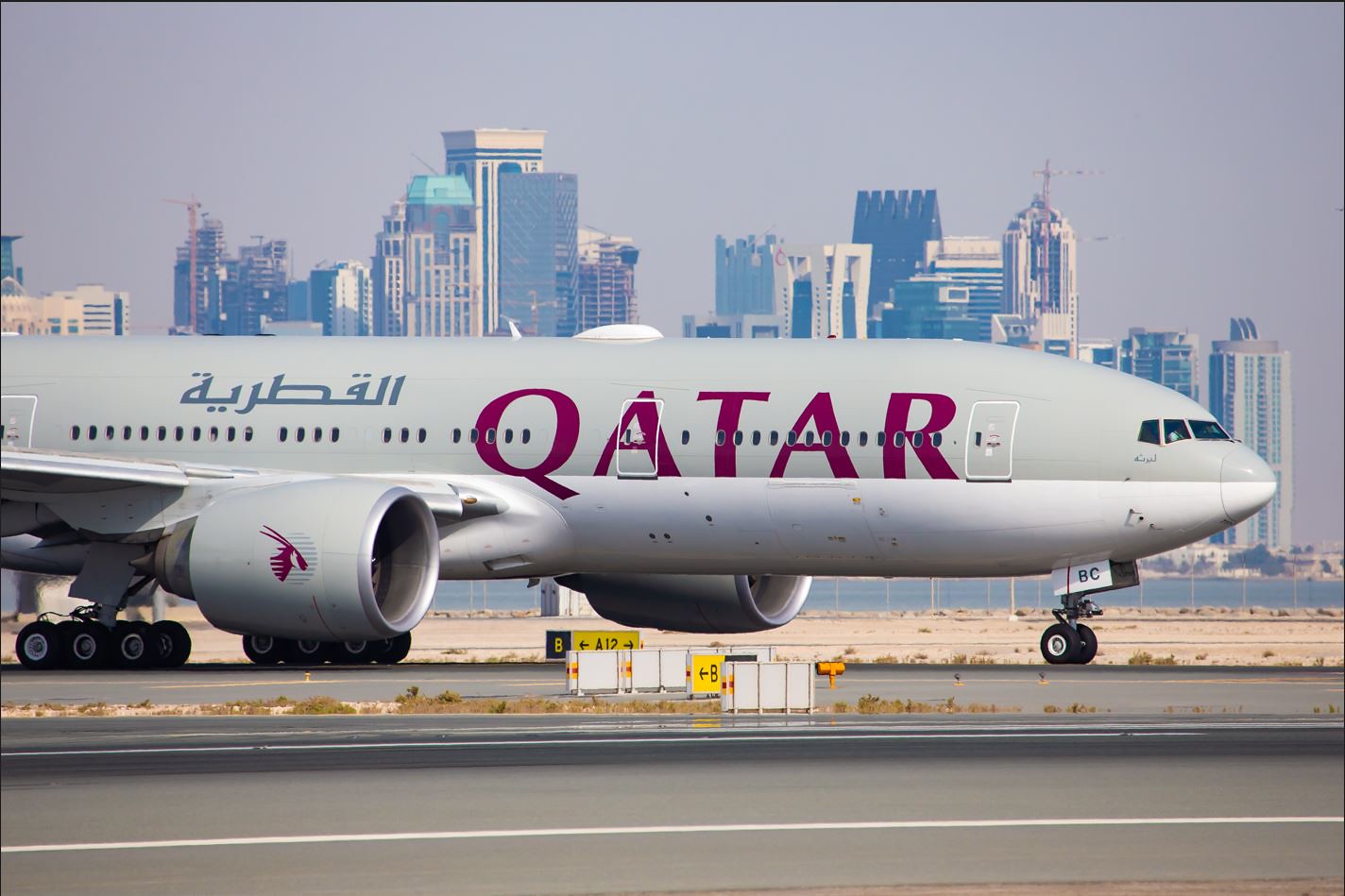
Beleaguered Persian Gulf super carrier Qatar Airways has been forced to relocate its operations to Muscat Airport in Oman so it can resume a very small number of flights in an attempt to repatriate stranded travelers who have been stuck since Saturday.
With Iranian missile and drone attacks continuing to target Qatar, and the airspace over the tiny but incredibly wealthy country remaining shuttered, Qatar Airways has been forced to keep its flight operations completely grounded since the start of the US-Israeli strikes on February 28.
On Thursday, however, Qatari officials provided a small glimmer of hope for thousands of travelers who remain stranded in Doha when their flights were suddenly canceled without flights.
Qatar Airways plans to relocate its operations to Muscat, where the airspace has remained open since the start of the conflict, and which is fast becoming a major hub for international repatriation efforts.
The airline plans to fly between Muscat and London Heathrow, Berlin, Copenhagen, Madrid, Rome, and Amsterdam, from Thursday, while Qatar Airways will also relocate a jet to Riyadh, Saudi Arabia, to operate flights to Frankfurt.
For context, the drive between Doha and Muscat takes around 11 hours, although Omani authorities have warned travelers, and growing traffic to enter the country is causing long tailbacks and delays.
In a statement, Qatar Airways advised passengers not to attempt to travel to Muscat or Riyadh unless they have been contacted by the airline and booked on one of the few flights that it is operating to Europe.
Flights to Asia, Australasia, Africa, and North America, along with all regional flights, remain completely suspended.
Passengers who have been stranded due to the ongoing security situation have been advised to ensure their contact details are up to date so that the airline can get in touch with new flight details.
Elsewhere, on Thursday, Dubai-based Emirates announced that it had switched from operating repatriation-only flights to a reduced flight schedule with services now open to new bookings.
In a statement, Emirates said that it “continues to monitor the situation, and we will develop our operational schedule accordingly.”
“Customers transiting in Dubai will only be accepted for travel if their connecting flight is operating,” the statement added. “Please do not go to the airport unless you hold a confirmed booking for these flights.”
The United Arab Emirates has established what it refers to as ‘safe air corridors,’ allowing commercial flights to operate despite the threat of Iranian air attacks.
Flight movements are, however, still extremely impacted, with reduced ‘flow rates’ to ensure that the airspace can be cleared quickly should an attack be detected.