



Iran’s dangerous attacks on civil aviation targets across the Middle East show no sign of slowing down… In fact, it appears as if the attacks are increasing in intensity and severity. The omnipresent threat has not, however, swayed Dubai from attempting to rebuild the network of its flagship mega airline, Emirates.
Instead, Emirates and its sister airline Flydubai plan to operate more than 200 flights on Thursday and Friday, not only repatriating anyone who has been stranded in Dubai or overseas, but also allowing passengers to connect through its hub.
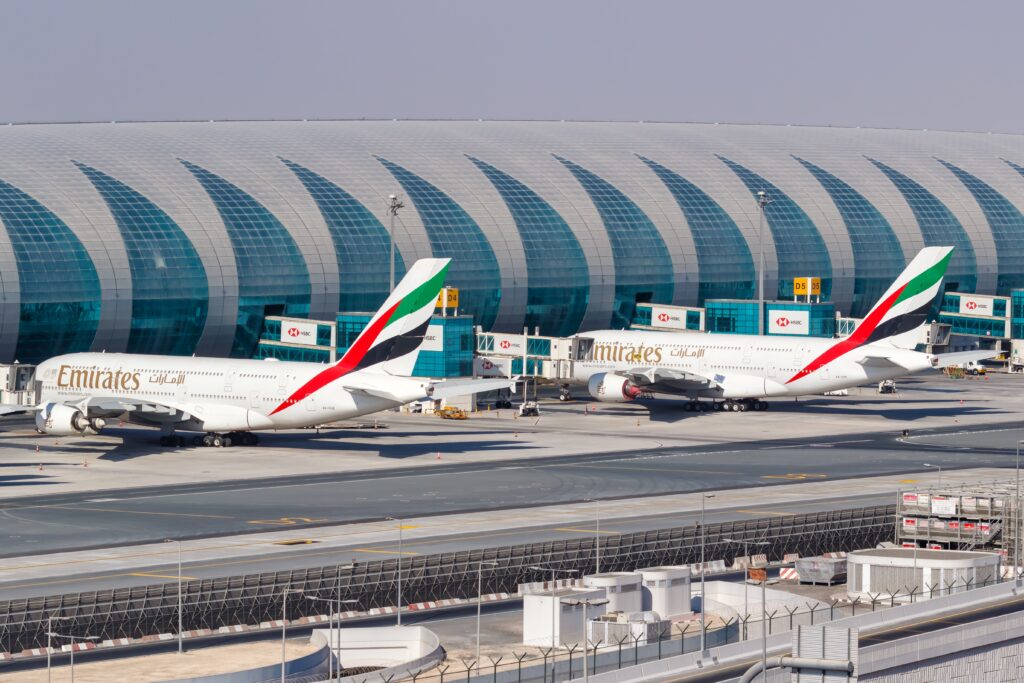
While other airlines in the region keep planes grounded or heavily restrict operations, Emirates is winning praise from some Dubai residents and stranded tourists for its tough ‘keep calm and carry on’ approach.
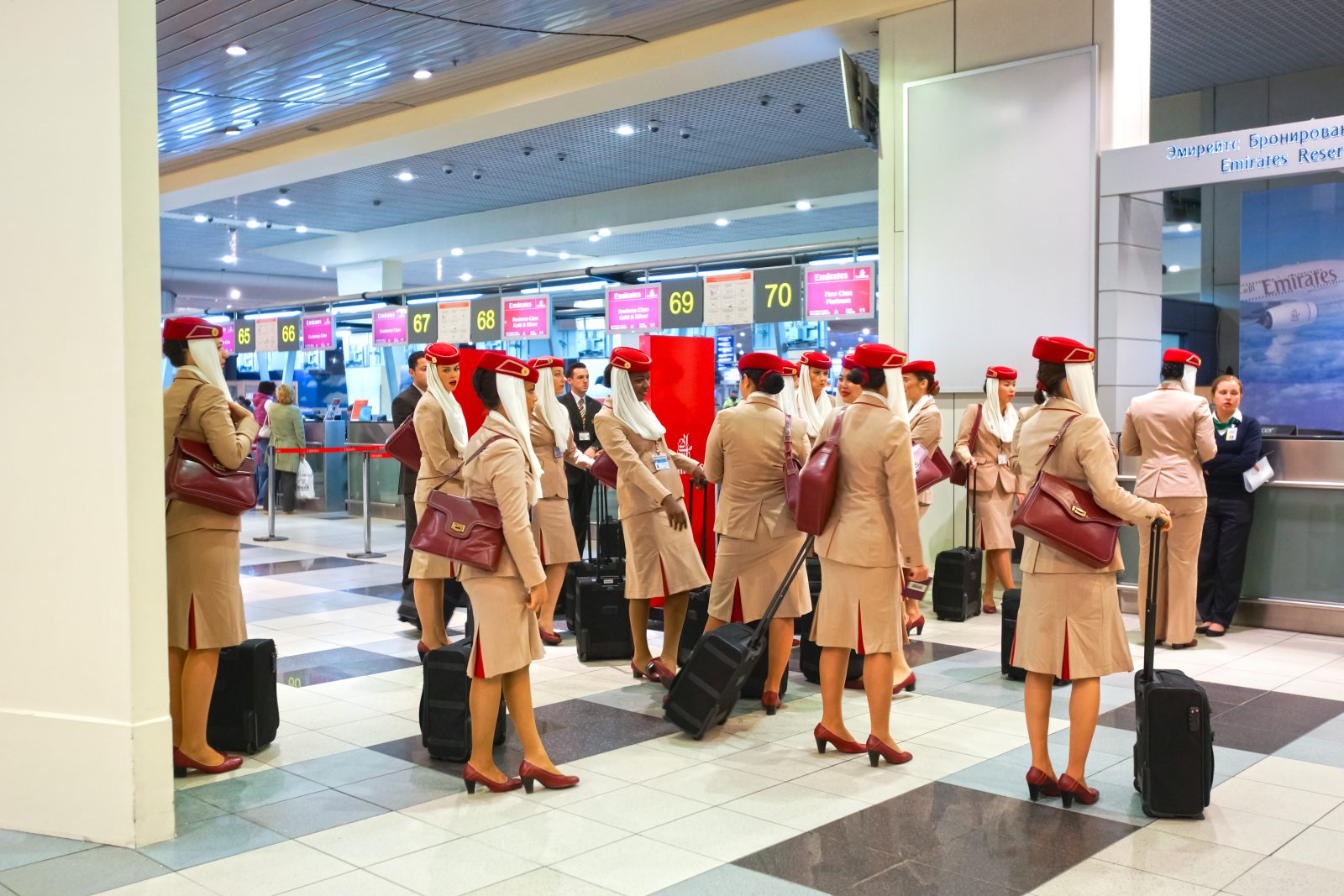
Within the airline, though, there is growing concern amongst some of its frontline workers about the risks they face coming to work during the unfolding crisis.
Emirates employs flight attendants from around the world with the promise of living the high life in a safe, tax-free haven in the Middle East. Now, some crew are wondering what exactly they’ve got themselves into.
Officially, Emirates says no one has to work a flight if they don’t feel comfortable, but there’s growing anxiety among crew members that they might eventually face a stark choice between working the flight or handing in their resignation.
While employment rights can differ massively from one country to the next, it’s worth mentioning that workers in Dubai have few rights. Non-governmental organizations have long warned of the country’s lack of union rights, as well as the fact that employment contracts can be easily terminated.
Cabin crew do have access to management support and the airline’s in-house medical team, but the perception that employment can be ended with little or no notice can weigh heavily.
Emirates is currently operating a limited but growing schedule, and the airline says that “the safety and security of our passengers and crew remain our highest priority, and will not be compromised.”
It’s not hard to understand, though, why flight attendants and other frontline aviation workers in Dubai are struggling: Dubai International Airport appears to have been the target of repeated Iranian drone and missile attacks.
On 28 February, the first day of the Iran War, Terminal 3 at the airport was struck by a projectile, puncturing the roof, damaging the concourse, and leaving at least four people injured.
Last Saturday, a drone appeared to explode on the outskirts of the airport, close to Terminal 3 and a parked Emirates plane. And on Wednesday, four more people were injured when two drones landed in the vicinity of Dubai International.
Then, in the early hours of Thursday morning, a drone ‘fell’ into a residential tower located just eight miles from the airport. Thankfully, no one was injured.
On Wednesday, airspace was closed over Dubai on at least four occasions, with passengers in the airport ordered to shelter in place until the all-clear was given. At the time this article was being written, airspace over Dubai was yet again shuttered, with flights circling over the UAE desert.
In Bahrain, the authorities have taken a very different approach to the threat, keeping planes grounded, save for a short window on Tuesday night when Gulf Air evacuated its entire fleet out of the country to neighboring Saudi Arabia.
The evacuation couldn’t have come at a better time: On Thursday morning, Bahrain International Airport was targeted by Iranian drones, with reports that a jet fuel storage facility at the airfield was struck.
Meanwhile, in Doha, Qatar Airways continues to operate a limited number of repatriation flights, although at a much smaller scale than Emirates, Flydubai, or Etihad Airways in Abu Dhabi.
It can only be hoped that the Iranian attacks are stopped sooner rather than later. Until that time, however, aviation workers are understandably scared.


Who’d have thought that moving to a foreign country with few rights to take a job solely for social media clout would lead to tough choices?
Well said!!!!