



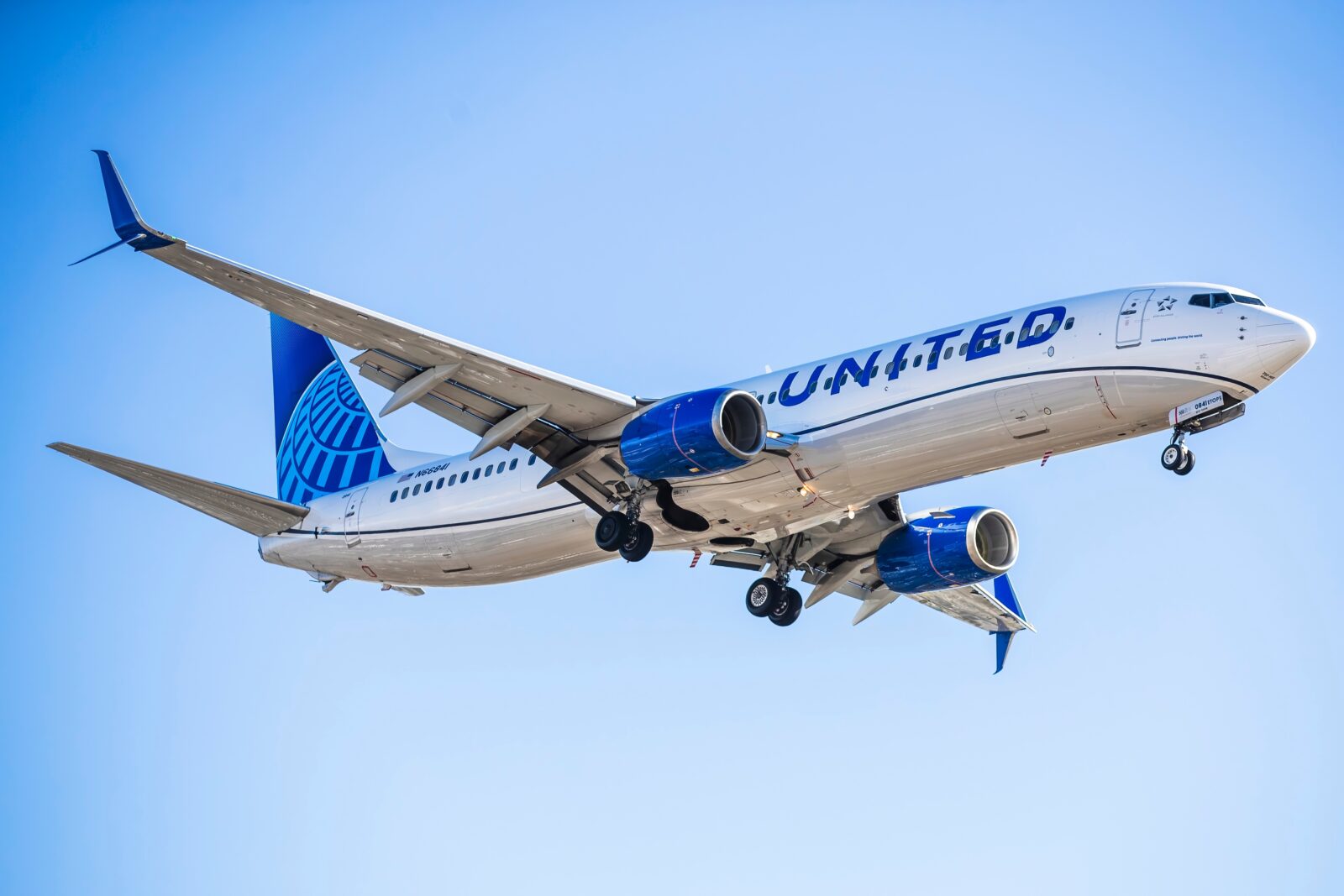
United Airlines will slash unprofitable routes due to skyrocketing oil prices, with planned capacity set to be trimmed by as much as 5 percent until the Fall, but chief executive Scott Kirby has told worried employees in an internal memo that the Iran War and its potential effects on the aviation industry shouldn’t keep them awake at night.
Kirby believes that oil prices could peak at around $175 a barrel, and the price might not dip below $100 a barrel until 2027 at the earliest. Given that jet fuel is an airline’s second biggest expense, this is a huge problem that is already sending shockwaves through the industry.

Earlier this week, Scandinavian airline SAS announced that it would axe 1,000 flights in April alone due to surging oil prices that have made it almost impossible to make some domestic and intra-Scandinavia flights profitable.
Closer to home, Southwest Airlines is no doubt rueing the decision to drop its decades-old practice of ‘fuel hedging’ in which an airline locks in the price of jet fuel at a set rate, whether or not the market price goes up or down.
“The reality is, jet fuel prices have more than doubled in the last three weeks,” Kirby warned. “If prices stayed at this level, it would mean an extra $11 billion in annual expense just for jet fuel. For perspective, in United’s best year ever, we made less than $5 billion.”
While Kirby acknowledges that those stats “sound scary,” he’s attempting to reassure anxious workers that United not only has the spare cash to navigate these troubled times, but that travel demand remains incredibly strong.
So strong, in fact, that 10 biggest booked revenue weeks in United’s history have been the last 10 weeks.
Related stories

“Many of you will remember in United’s past that storm clouds like this caused United to furlough employees, defer aircraft orders, downgrade to regional jets, go through cost-cutting exercises, delay investments in the future, etc,” the memo continued.
Nothing like that, however, is currently on the cards.
“We have the financial firepower to continue to stay focused on the long term. We will continue full speed ahead to take delivery of about 120 new aircraft this year, including 20 new 787s, and will take another 130 new aircraft by April 2028,” Kirby added.
Kirby has even ordered management teams to “double down” on investment opportunities, with new and better airport premium lounges in the works, infrastructure improvements being discussed, and plans to increase widebody departures from United’s Newark hub to as many as 100 per day.
But while Kirby doesn’t think there’s any need for cost-cutting (quite the opposite), he does concede that “tactically pruning flying that’s temporarily unprofitable in the face of high oil prices” is necessary.
“To be clear, nothing changes about our longer-term plans for aircraft deliveries or total capacity for 2027 and beyond, but there’s no point in burning cash in the near term on flying that just can’t absorb these fuel costs,” Kirby explains.
Certain Red Eye flights will be cut, along with unprofitable mid-week services. Kirby has also accepted that United will have to reduce flying out of Chicago O’Hare by around 1 percent.
Kirby concludes: “I realize this note may seem like a lot, but the simplest thing I can say to all of you is the bottom line – I want you to sleep well at night knowing United prepared for this.”
United seems confident that it has a plan to weather this storm and thinks that its strategy is better than its main rivals. Kirby even suggests that other airlines are relying on hope as a strategy.
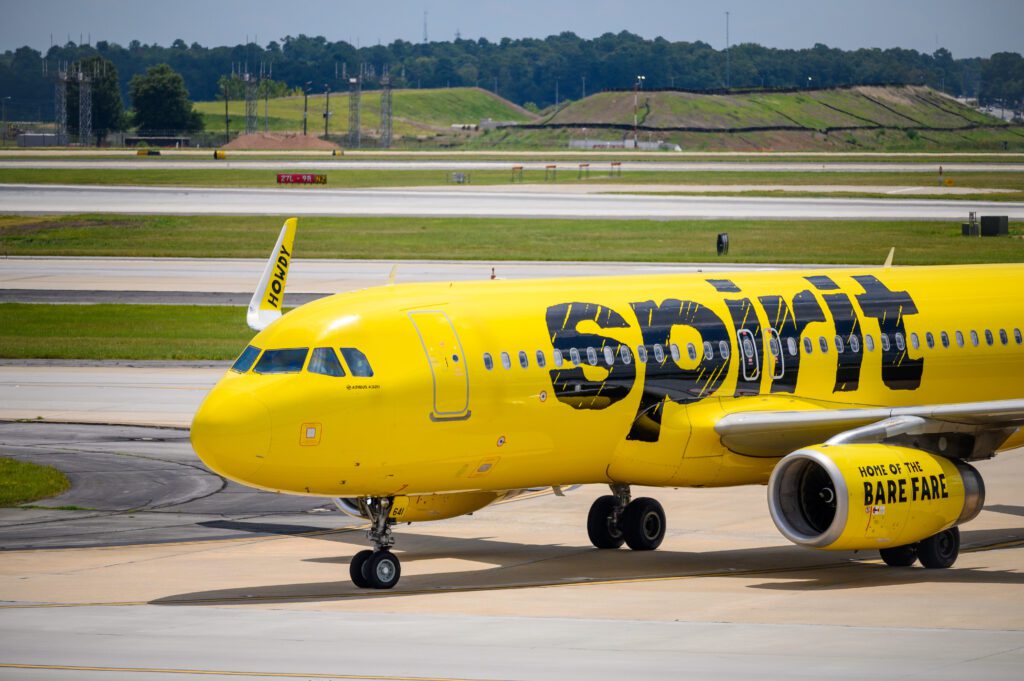
Earlier this week, the largest flight attendant union in the United States warned that the Iran War could have major implications for U.S.-based airlines that fly nowhere near the Persian Gulf, and would hurt airlines with the thinnest margins, like Frontier and Spirit Airlines, the most.
A day before the Iran War started, it would cost a U.S. airline around $17,000 to fill up a Boeing 737-800 with jet fuel. By March 5, however, the cost had soared by more than 58% to $27,000 to fill up the same plane. The price has risen even further since.
“In practical terms, airlines with the thinnest margins and least flexible supply chains are going to hurt the most,” the Association of Flight Attendants (AFA-CWA) warned.
“However, negative impacts will likely extend to every airline in the world. Fuel tends to be an airline’s second biggest expense, and even marginal price fluctuations can impact them dramatically,” the warning added.