



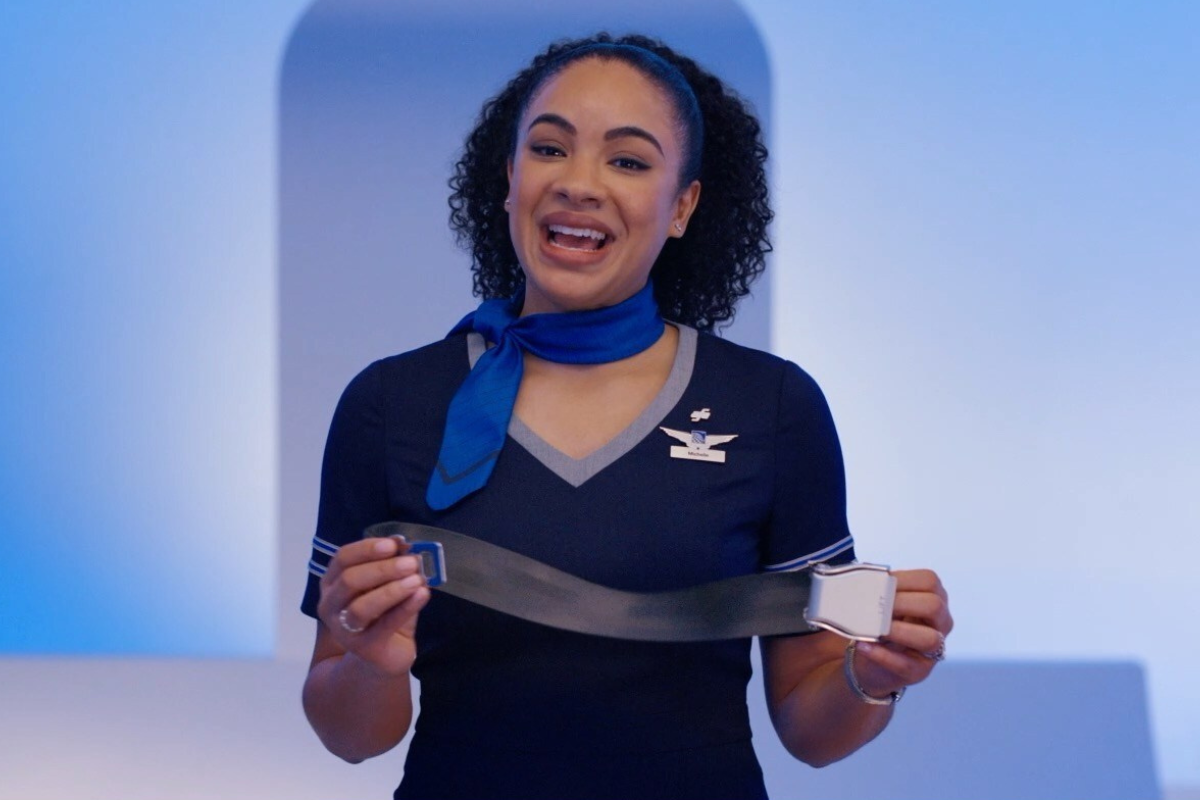
United Airlines has reached a milestone tentative agreement with its flight attendant union representing more than 30,000 crew members in a long-running contract saga that has dragged on for nearly six years.
On Thursday, the Association of Flight Attendants (AFA-CWA) announced that its negotiators had managed to secure “targeted” improvements on a previous tentative agreement that was widely derided and overwhelmingly voted down last summer.
Timeline: How did we get to this point?
- August 2021: Under the provisions of the Railway Labor Act, the United Airlines flight attendant contract becomes amendable, and negotiations are allowed to begin.
- November 2023: After more than two years of negotiations, the flight attendant union requests the assistance of federal mediation after talks stall.
- August 2024: Flight attendants overwhelmingly vote to approve strike action should an agreement not be reached with the airline.
- May 2025: The first tentative agreement (known as TA1) is reached between the union and United Airlines.
- July 2025: Flight attendants reject the agreement, and the union races to find out where it went wrong.
- October 2025: Negotiations for a TA2 start.
The new agreement comes at the very end of federally mediated negotiations that took place in Washington DC this week, where the union wanted to lock down key improvements in some crucial outstanding areas of the contract.
Details of the new agreement remain scant pending approval by the union’s master executive council to put it before its membership for a vote. However, an internal memo sent by United to its flight attendants and reviewed by PYOK, reveals that the deal includes:
- United flight attendants will be the highest-paid crew members amongst U.S. airlines for the duration of the deal. Some very senior flight attendants will earn as much as $100 per hour.
- Flight attendants will receive a one-time ratification bonus. United has created a $740 million pot to distribute amongst crew members should they vote in favor of the deal.
- United has finally agreed to pay flight attendants for time on the ground between flights. Known as ‘sit pay,’ this will kick in when there is more than 2.5 hours scheduled between flights and will be paid at 50% of the normal hourly rate.
- Contract language over layover hotels has reverted back to a promise to put up flight attendants in ‘Business Class’ hotels. The previous agreement had removed this provision.
- Flight attendants won’t be forced to work as many flights before a Red-Eye flight. The new agreement limits crew members to working just one flight before a Red-Eye.
Nathan Lopp, United’s vice president of Labor Relations, told crew members that the airline had spent “significant time at the table in a productive back-and-forth to deliver a contract that is balanced and competitive and most importantly delivers improvements in the areas that matter most to you.”
“Our flight attendants are the best in the industry and play an essential role in delivering safe, reliable, and caring service for our customers every day,” Lopp added.
What we don’t know at this point is whether the union agreed to key concessions that United had been demanding in return for higher pay raises and other improvements.
Most notably, United has been pressing for the introduction of new scheduling software known as the ‘Preferential Bidding System’ that would optimize rosters and make scheduling more efficient.
In addition, United wanted to remove a leave option known as ‘personal time off.’ Both of these concessions had been adamantly rejected by the union, most recently as earlier this month.
Should the union’s leader approve the tentative agreement, more details will be published on April 3, and voting will open on April 23. The ballot will then close on May 12, and the result released soon after.