



Some airlines have ordered emergency checks of the fuel cutoff switches on their Boeing 787 Dreamliner following the deadly crash of Air India flight AI-171, which claimed the lives of everyone onboard, as well as several fatalities on the ground on June 12.
A few days ago, India’s Aircraft Accident Investigation Bureau (AAIB) released its preliminary report into the first-ever fatal accident of a Boeing 787, with a key part of the dossier focusing on the fuel cutoff switches.
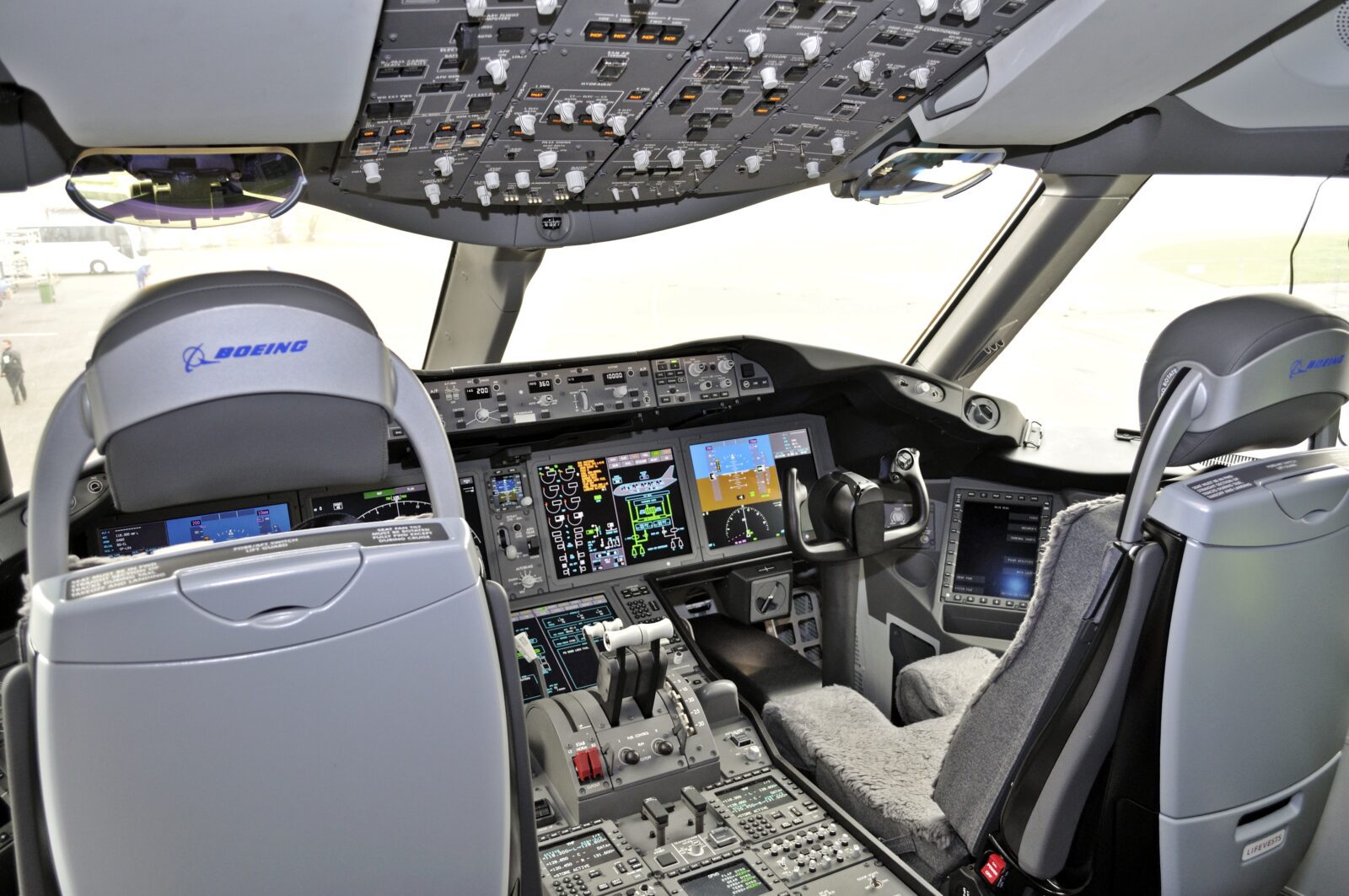
How the engine cut-off switches work in the Boeing 787 involved in the Air India Crash
byu/captain-cox- inairplanes
There are two cutoff switches on the Boeing 787 Dreamliner, one for each engine, and each switch has two settings: RUN and CUTOFF. To start the engines, the switches are moved to RUN and only moved back to CUTOFF when the engine is turned off (which nearly only ever happens once the plane is safely back on the ground).
In order to move these switches, the pilot has to lift the switch, move it over an internal gate, and then push the switch back into it. This design is used on various models of Boeing jets with few problems ever reported.
Just seconds after takeoff of Air India flight 171, however, the two cutoff switches were moved from RUN to CUTOFF, one after the other and in quick succession.
One of the pilots was heard on the cockpit voice recorder asking why the engines had been cut off, and the other replied that he had not done so. Within 10 seconds, the cutoff switches had been moved back to RUN, but by this point, it was too late, and the plane crashed into the side of a housing complex for medical staff at a local hospital.
The preliminary report does not attempt to ascertain the cause of the accident and it could be many months or even years before investigators conclude whether there was a technical hitch, pilot error, or even a deliberate input by one of the flight crew to down the plane.
In the meantime, however, some Boeing 787 Dreamliner operators are already taking matters into their own hands, carrying out engineering checks of the cutoff switches and issuing bulletins to their pilots.
One of those airlines includes Abu Dhabi-based Etihad Airways, which ordered checks of the cutoff switches even before the AAIB’s preliminary report was published.
The airline issued detailed guidance to engineers to check that the cutoff switches lock securely into place, while pilots have been instructed not to place anything on the flight deck console that might accidentally interfere with the cutoff switches.
Meanwhile, South Korea is also reportedly planning to order local airlines that operate Boeing 787s to check that the cutoff switches are free of defects.
Interestingly, however, the US Federal Aviation Administration (FAA) has declined to issue an Airworthiness Directive for fuel cutoff switches on Boeing 787s, saying in a circular:
“Although the fuel control switch design, including the locking feature, is similar on various Boeing airplane models, the FAA does not consider this issue to be an unsafe condition that would warrant an Airworthiness Directive on any Boeing airplane models, including the Boeing 787.”
Back in 2018, however, the FAA did advise airlines to check that the fuel cutoff switches on Boeing 787s could not be moved accidentally. That was, though, only a recommendation, and airlines were never mandated to carry out the checks.
The latest advice from the FAA does not stop US airlines from conducting their own checks, but it certainly seems to confirm that regulators are confident that the design of the cutoff switches is sound.