



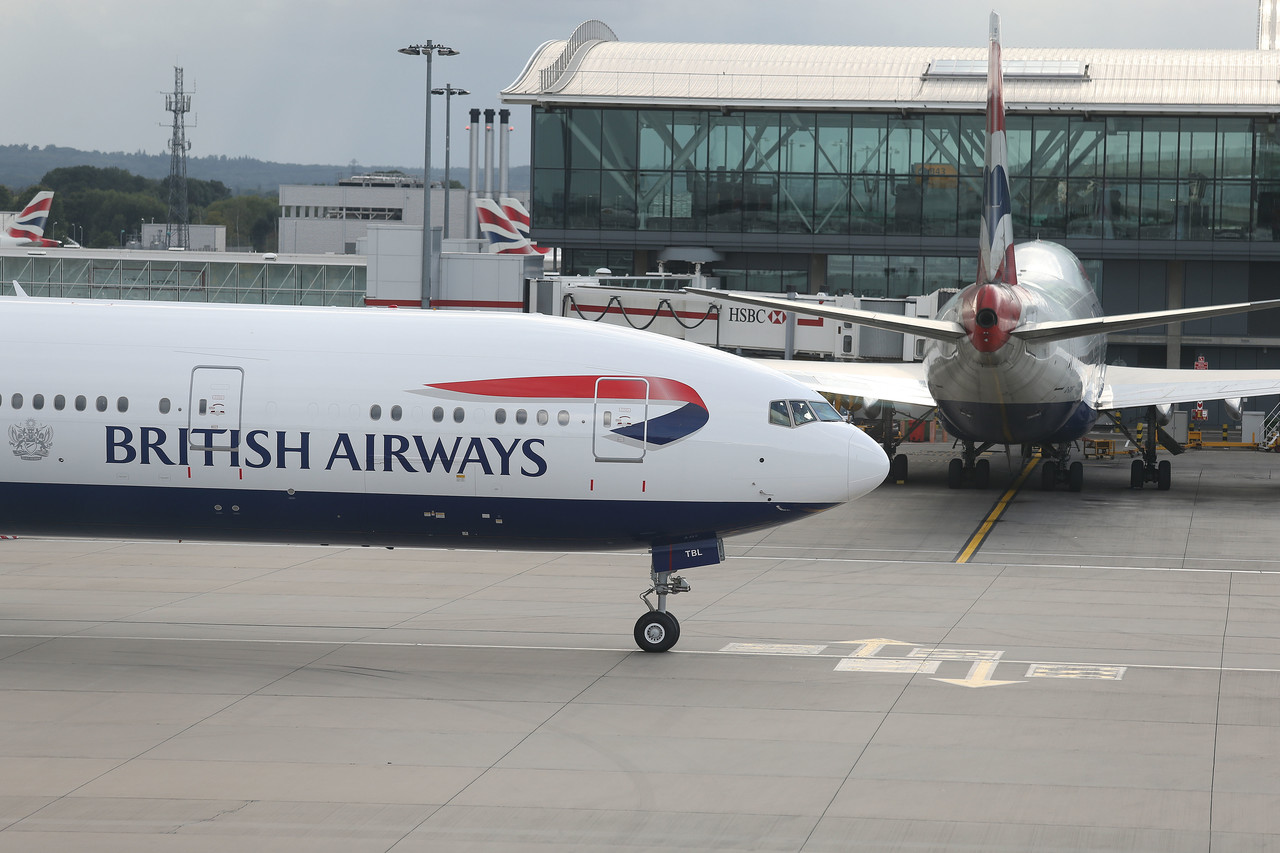
British Airways has lost a last-ditch appeal in a long-running legal dispute with the European Commission over allegations it was part of an international ‘cartel’ of airlines that were coordinating surcharges on air freight being brought into the EU.
As a result, a fine of €84.4 million (£73.6 million) that was levied against British Airways stands.
The case dates all the way back to 2005, when Lufthansa reported itself to the European Commission for airfreight cartel activity in exchange for immunity from fines.
The German flag carrier handed over evidence to investigators that implicated British Airways and a slew of other airlines, and a couple of months later, anti-corruption investigators carried out dawn raids at airline offices across Europe.
British Airways applied for immunity, but European regulators rejected the application, finding that it had coordinated with other airlines on fuel surcharges, security surcharges, and a refusal to pay air freight forwarders a commission.
In 2015, British Airways successfully appealed the decision on the grounds that the European Commission’s ruling was defective. The commission then went back to the drawing board and re-adopted the same decision but with corrected reasoning.
British Airways was initially fined €104 million, but in a new appeal, the airline secured a fine reduction to €84.4. After failing to have the case dismissed in the European General Court, British Airways took its appeal to the European Court of Justice.
The basis of BA’s final appeal attempt was to argue that the European Commission didn’t have jurisdiction in this case because the cartel activity involved air freight that was being brought into the EU from outside the bloc.
Rejecting BA’s appeal, however, the Court of Justice rules that European competition law does indeed apply to ‘extraterritorial’ matters if that conduct has foreseeable, immediate, and substantial effects within the EU.
British Airways has attempted to argue that the European Commission couldn’t prove that the cartel’s activity actually caused consumer harm, but the court dismissed that argument, saying that the probable effects were enough.
Tim Coates, who represented BA in court, said the ruling “sets a low bar for the establishment of jurisdiction.”