



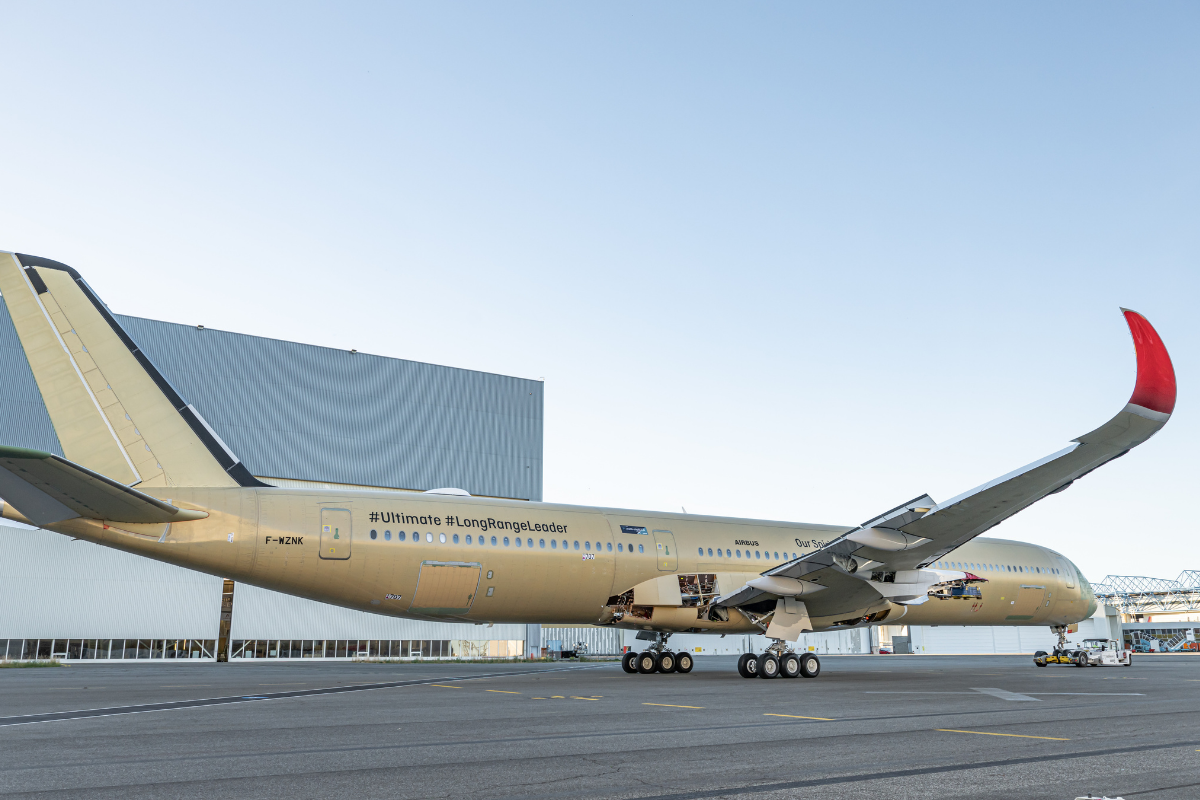
The highly ambitious plan by Australian flag carrier Qantas to “conquer the final frontier of long haul travel’ by launching non-stop flights from Sydney to London, Paris, and New York, has hit yet another frustrating delay after it was revealed that the specially adapted aircraft for these flights won’t be ready in time.
Years in the making, the plan, internally dubbed Project Sunrise, first made waves in 2019 when Qantas completed special research flights using its Boeing 787-9 Dreamliner to see if non-stop flights from Australia’s east coast to New York were even possible.

The Dreamliners were able to fly the entire 16,200-kilometre distance on these research flights because there was less than a quarter of the plane’s normal capacity on board and no cargo. In order to make these flights commercially feasible, however, Qantas needed a new aircraft.
The airline pitted two options against one another: The yet to be certified Boeing 777X or a specially adapted variant of the Airbus A350-100, which would have an additional fuel tank fitted to allow it to operate these grueling long flights.
Worth Knowing: The Project Sunrise name is a nod to historic ‘Double Sunrise’ endurance flights that Qantas operated during Second World War. The planes remained airborne long enough to see two sunrises.
It didn’t take long for Qantas to decide that the Airbus A350-1000 was the better option of the two, although the choice was made before the airline even fully committed to the project.
It wasn’t until 2022 that Qantas finally gave the go-ahead for Project Sunrise to be put into action, at which point the airline ordered its first 12 Airbus A350-1000 jets, which feature an additional 20,000 litre rear centre fuel tank.
At the time, Qantas had hoped to take delivery of the first of these planes in 2025, but given various supply chain issues and a backlog in production that has plagued Airbus for years, that timeline shifted quite significantly.
By late last year, Qantas reported that it planned to take delivery of its first Project Sunrise A350 in late 2026. The aircraft would then be used for crew training and certification work before commencing commercial operations in early 2027.
Unfortunately, there is now a new delay reported, and Qantas is unlikely to get its hands on the first of these airplanes until April 2027, pushing the launch date back to around July, August, or perhaps even September 2027.
There’s a fair amount of discourse surrounding the commercial demand for flights that will keep passengers locked in a metal tube for 22 hours at a time, although Qantas has had great success with its 17-hour flights that connect Perth and London.
Non-stop Project Sunrise flights will slash around four hours off current journey times that require passengers to connect at mid-way airports like Dubai and Singapore, and Qantas chief executive Vanessa Hudson believes these flights will “fundamentally change” the way people travel around the world.
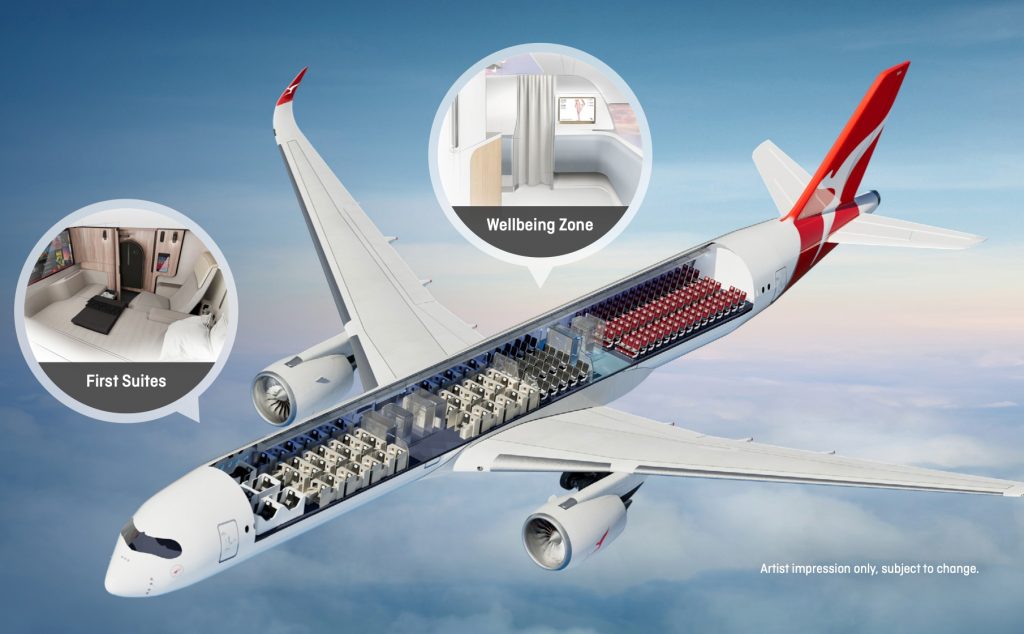
Onboard, Qantas has had to rethink the passenger experience, not only in premium cabins, but in Economy Class, where a new social area is being developed so that passengers can get up and stretch during the mammoth journey.
While other airlines cram as many as 300 passengers on their A350-1000s, the Qantas version will only have capacity for 238 passengers.
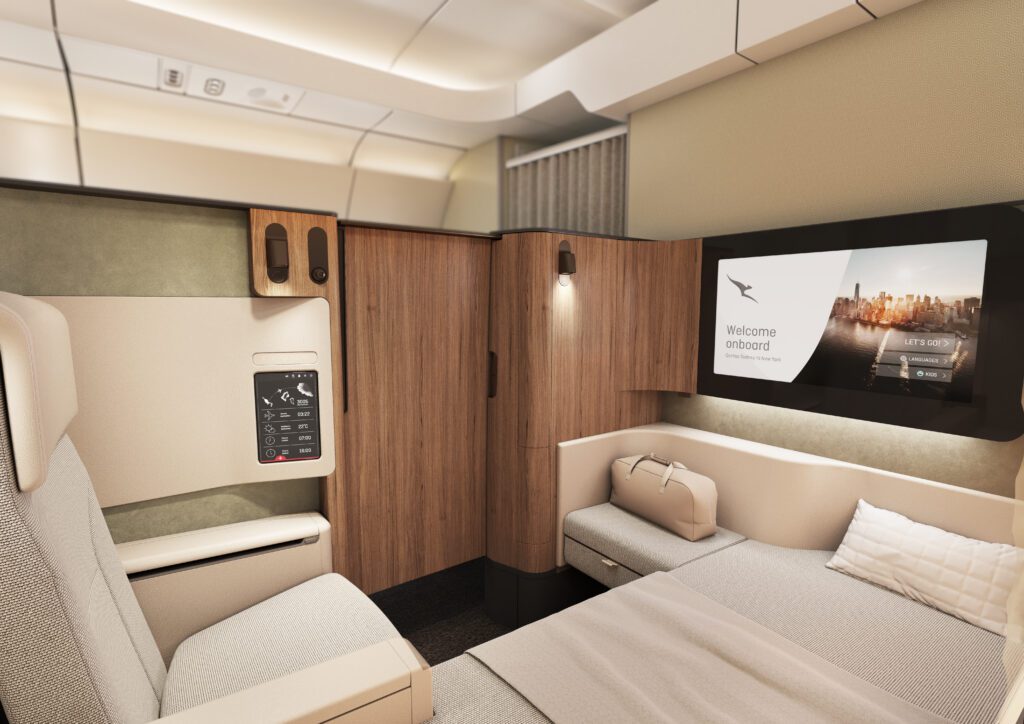
The crown jewel of the Qantas A350 will be a brand new First Class suite with a separate bed and recliner lounge chair, a 32″ television screen, personal wardrobe, and lots of other storage within the enclosed suite.
Article continues below
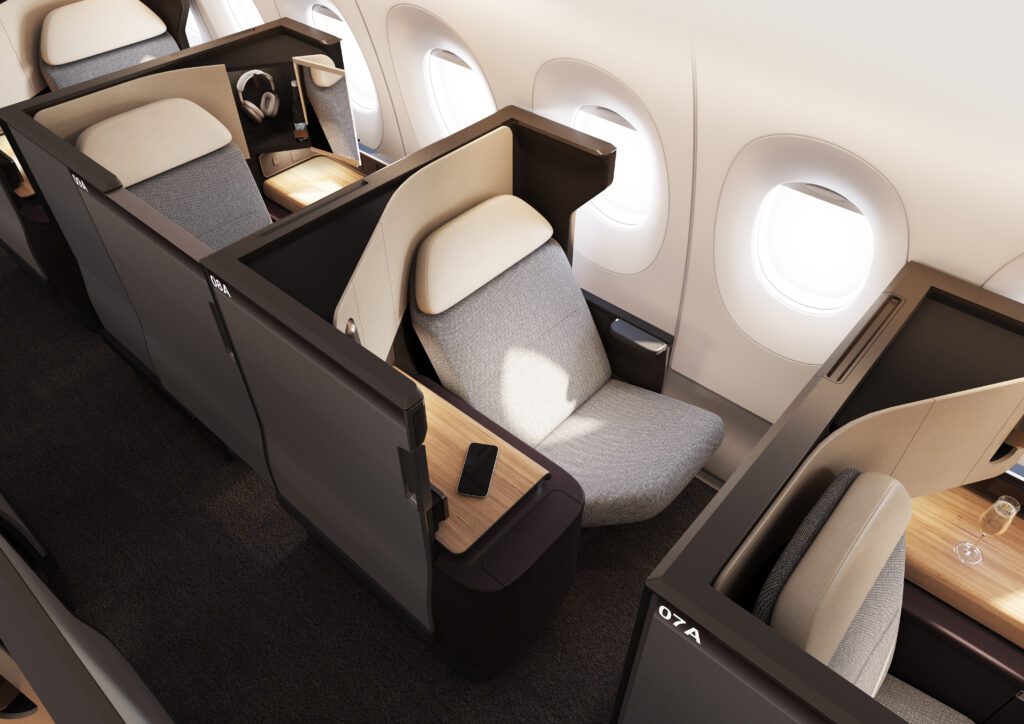
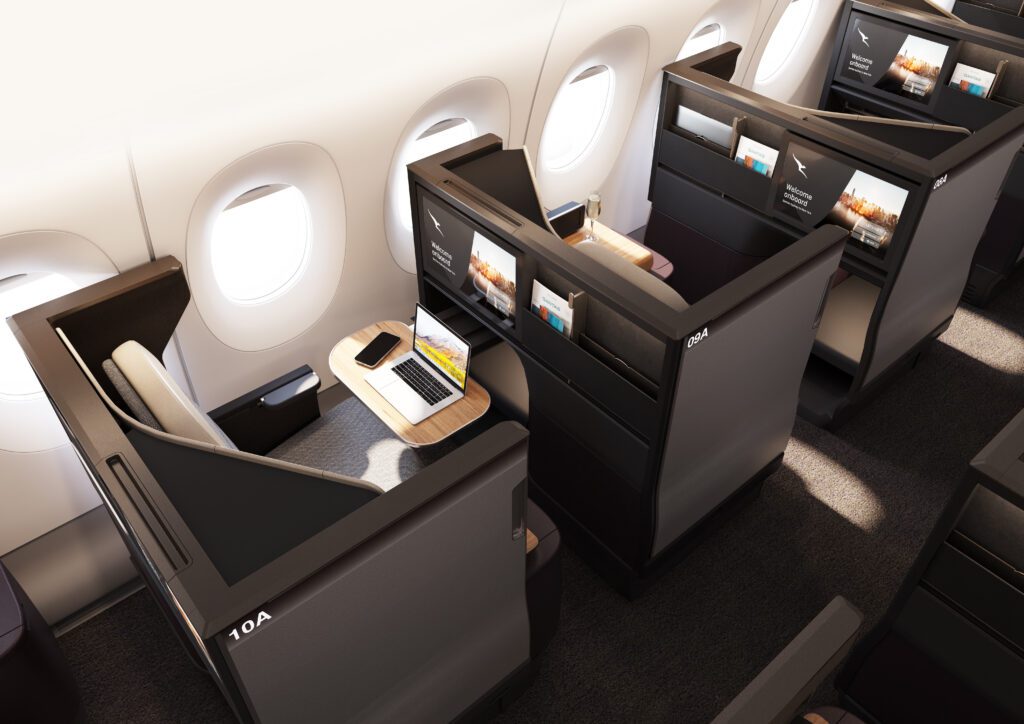
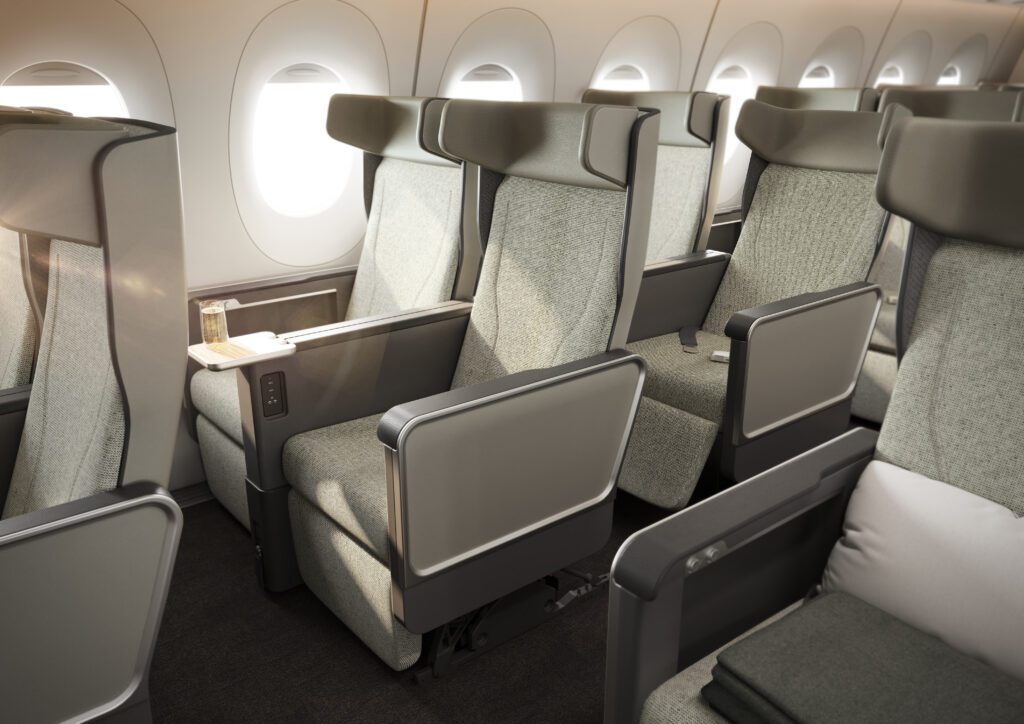
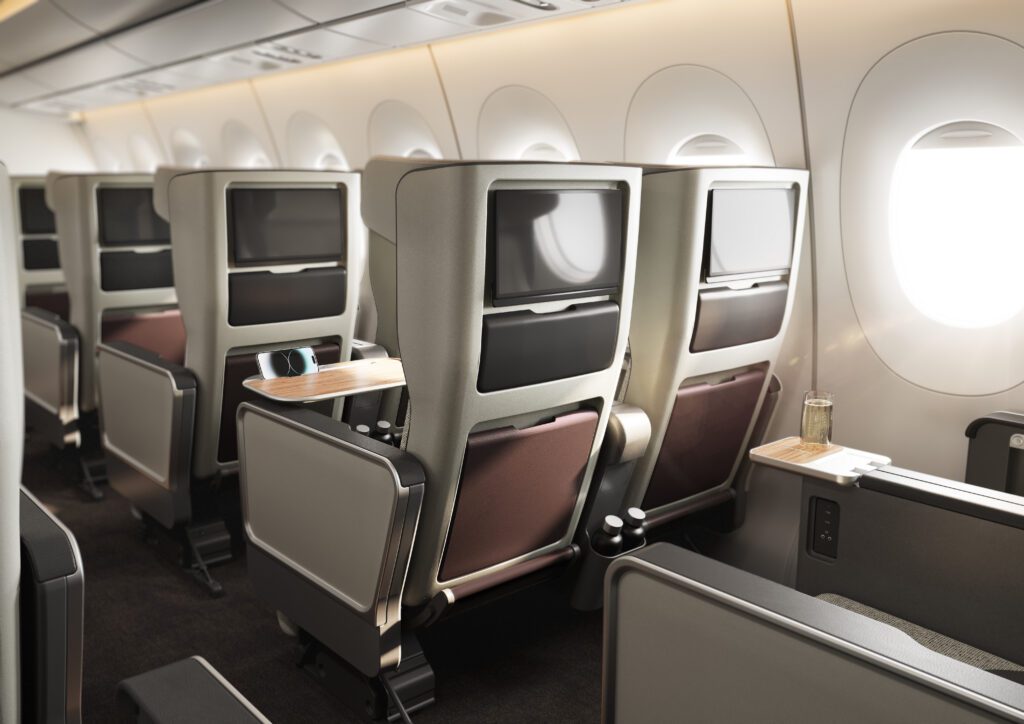
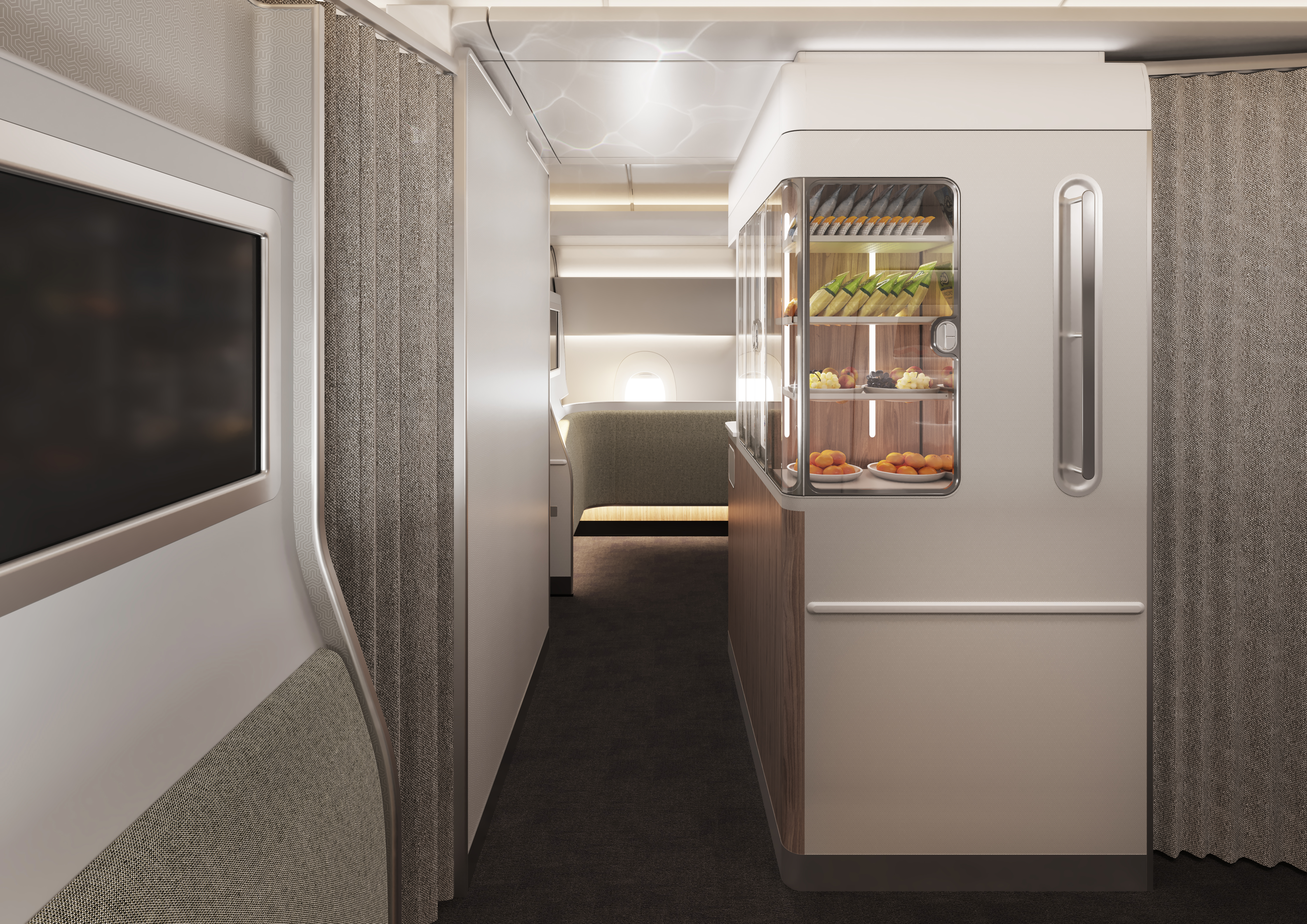
There will be six First Class Suites, along with 52 Business Class Suites, 40 Premium Economy seats with 40″ of pitch, and 140 standard Economy Class seats offering 33″ of pitch.
Given the magnitude of Project Sunrise, a delay of around six months isn’t likely to register much, and, in any case, it’s nothing compared to the kinds of delays that Qantas would have faced if it had selected the Boeing 777X for the project.