


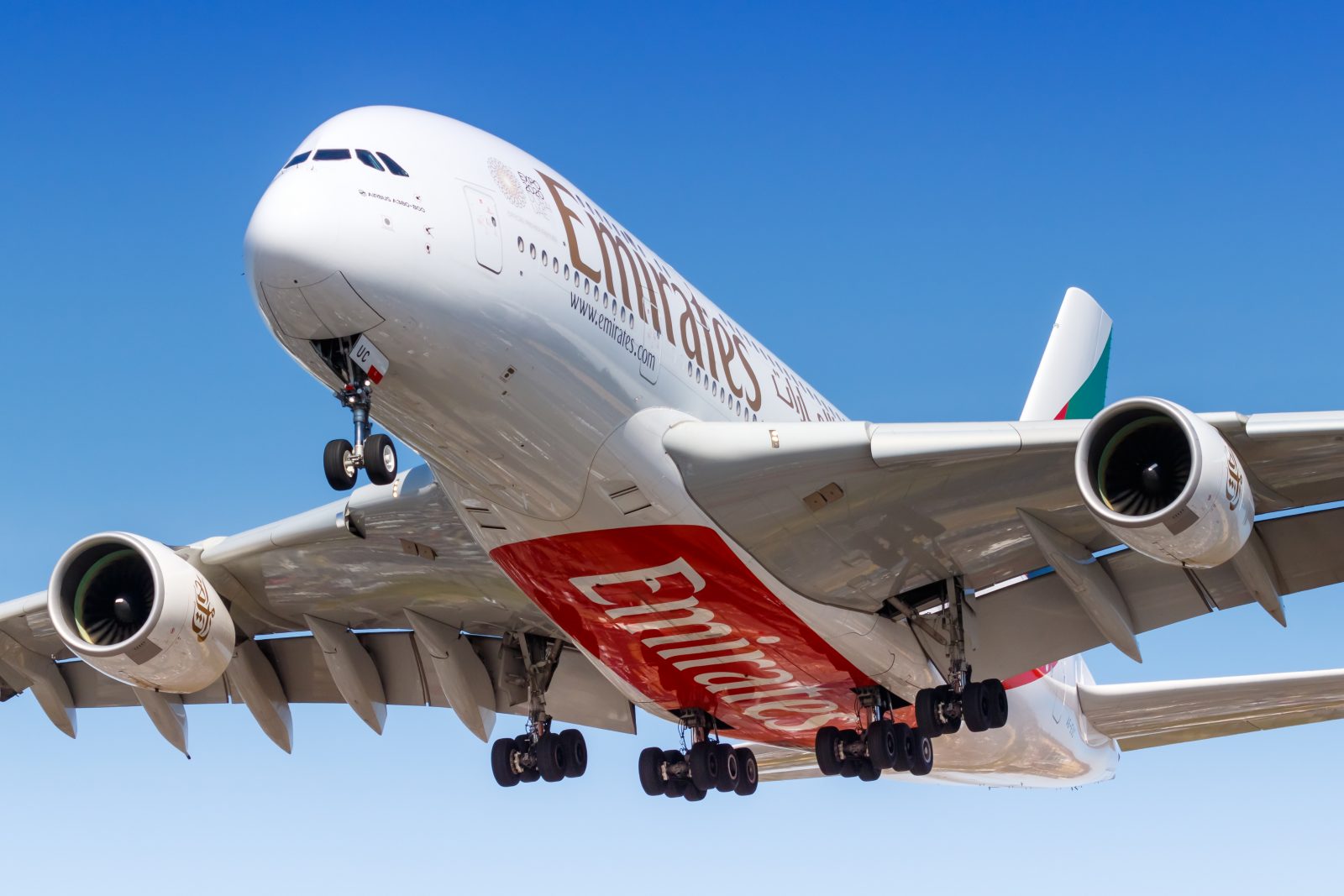
Wake turbulence from a massive Emirates Airbus A380 superjumbo injured four people on a Eurowings plane that was underneath the double-decker aircraft, according to information received by the trusted aviation accident reporting site, the Aviation Herald.
The accident occurred as both aircraft were flying over Bosnia and Herzegovina on May 30, resulting in all five injured people on the Eurowings flight being rushed to the hospital after it safely landed at its destination.
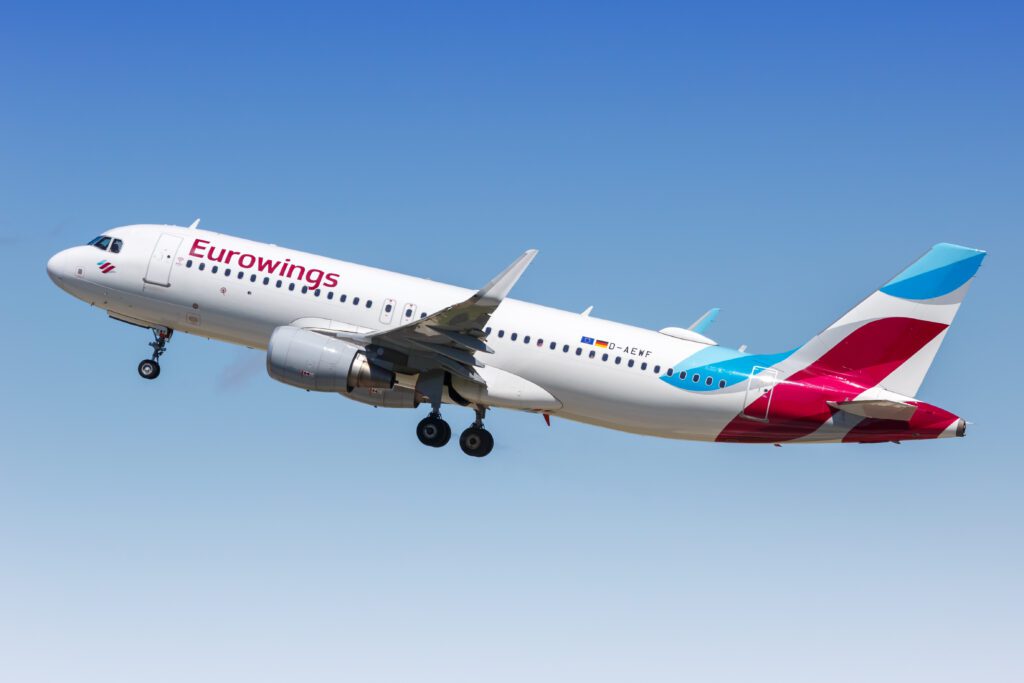
Emirates flight EK-1 was flying at an altitude of around 38,000 feet en route to London Heathrow from Dubai, while the much smaller Eurowings Airbus A320 was flying from the Greek island of Rhodes to Cologne, Germany.
The Eurowings plane was approximately 7.6 nautical miles behind the Emirates A380, and was flying at around 36,000 feet when the pilots were given clearance by air traffic control to climb to 38,000 feet (the same altitude of the superjumbo).
The A320 reached an altitude of 37,600 feet when it suddenly descended at an astonishing rate of 3,000 feet per minute, sending anyone and anything in the cabin of the Eurowings plane flying upwards.
Four passengers were injured as the Eurowings plane plummeted, while a flight attendant was also injured when she was thrown against the cabin ceiling.
The pilots of Eurowings flight EW-635 decided to continue to Cologne but requested paramedics meet the plane on arrival. According to the Aviation Herald, the injured were initially treated on board the aircraft before being transported to the hospital.
Germany’s aviation accident bureau, known as the Bundesstelle für Flugunfalluntersuchung or BFU for short, has yet to confirm whether it is investigating the incident, but the cockpit voice recorder and flight data recorder have reportedly been downloaded for investigative purposes.
The International Civil Aviation Organization (ICAO) recommends that air traffic control maintain a minimum distance of seven nautical miles between an A380 superjumbo and a smaller commercial airliner like an Airbus A320.
Given that advice, it appears that air traffic control did not give the pilots of the Eurowings plane an incorrect clearance to climb to their desired altitude.
The incident is reminiscent but mercifully less serious than an accident in 2017 when wake turbulence from a passing Emirates A380 caused a small business jet to flip upside down three times and then free-fall, temporarily disabling both of the plane’s engines, as the pilots battled to save the aircraft.
One of the passengers aboard the Challenger private jet sustained serious head injuries, while another suffered a fracture of the vertebrae. Two other passengers, along with the flight attendant, miraculously sustained bruising, but nothing more serious.
The private jet was able to land safely after the accident and somehow didn’t sustain any visible damage. Nonetheless, accident investigators determined that the forces that the aircraft endured were way beyond its design limitations, and the plane was declared a write-off.
Photos from inside the private jet showed debris thrown around the cabin, oxygen masks deployed, and a blood-splattered leather seat.
The passengers and crew on the Emirates A380, both in 2017 and this latest incident, would have been none the wiser to what was occurring.

So…apparently the ICAO guidance of 7NM separation between these types of aircraft is not always enough?