



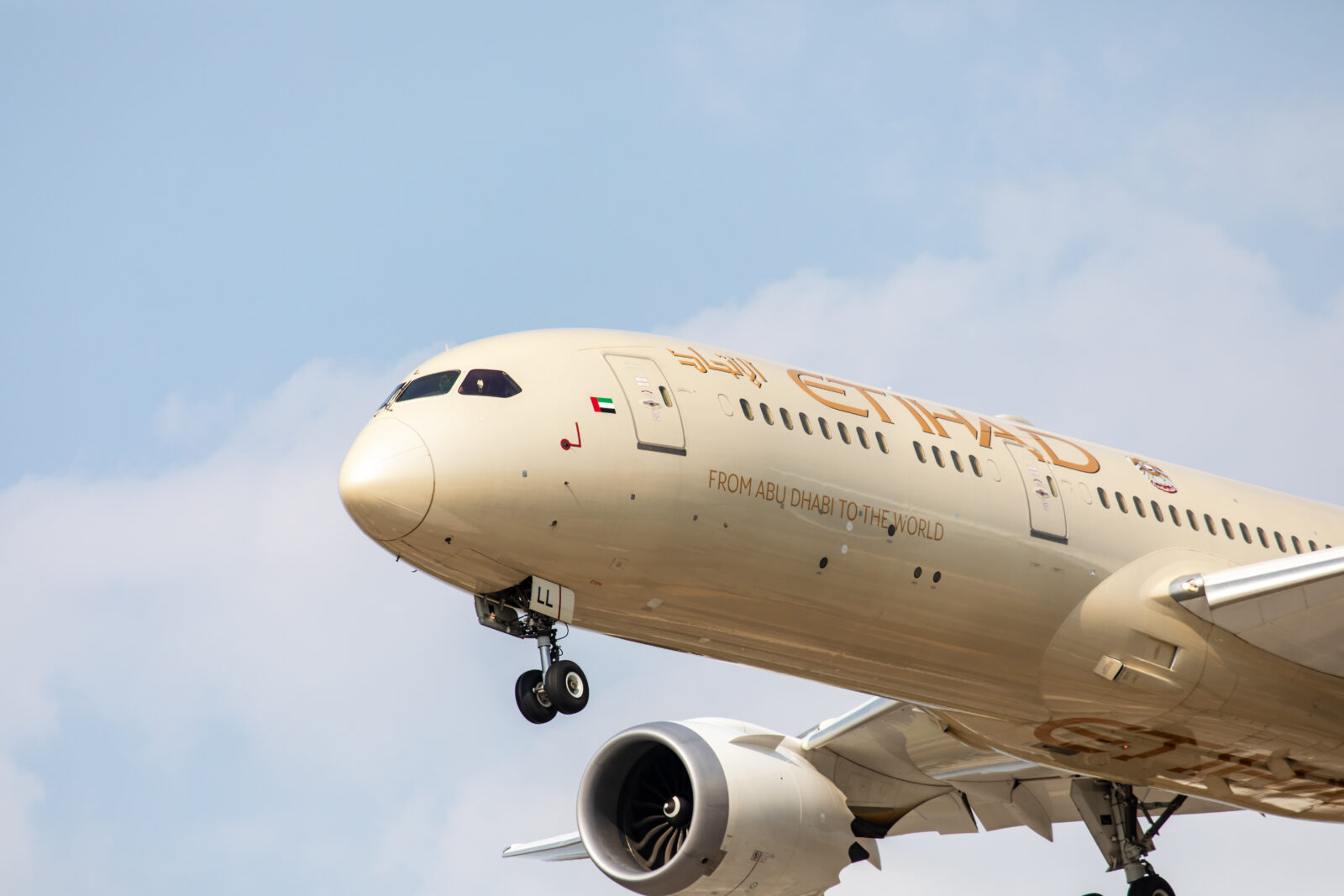
Etihad Airways is set for a major expansion in Israel with plans to operate as many as six daily flights between its home hub in Abu Dhabi and Tel Aviv, serving Israelis who are desperate to go on vacation, with connecting flights to Asia particularly in demand.
At present, Etihad is operating two daily flights to Tel Aviv using Boeing 777-300 widebody, but despite these widebody twinjets seating up to 370 passengers per flight, demand is still massively outstripping capacity on this route.
Many international airlines have extended flight cancellations to Israel due to the ongoing security situation in the region, and while local carriers El Al and Arkia do serve popular vacation hotspots like Bangkok, there are many more Israelis wanting to travel to Asia than there are seats available.
Etihad now appears to be taking full advantage of this situation, laying out plans to operate as many as 42 flights per week between Abu Dhabi and Tel Aviv starting June 15.
The expansion is so massive that Tel Aviv will become Etihad’s most served destination, surpassing the number of flights that the UAE flag carrier operates to the likes of Riyadh (up to five daily flights), Jeddah (up to five daily flights), and London Heathrow (up to four daily flights).
Given that the flight time between Abu Dhabi and Tel Aviv is around three hours, Etihad will be able to get a lot of utilisation out of the planes used to operate this route.
For Etihad, expanding its operations in Tel Aviv is a no-brainer, and not only because there is a lot of demand from passengers starting in Israel to connect through to destinations like Bangkok and Phuket, as well as India, and even the United States.
The airline also has to consider the fact that while it is still quietly trying to rebuild its route network and schedule following the closure of airspace across the region at the start of the U.S. and Israeli conflict with Iran, passengers in some countries remain hesitant to travel through the Persian Gulf.
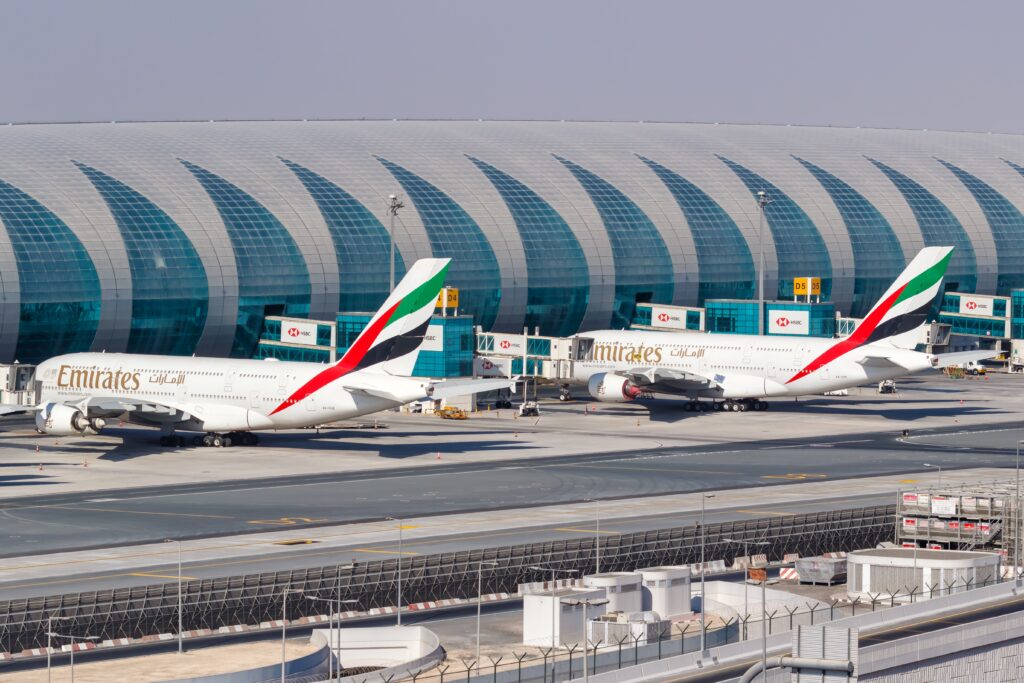
What is perhaps interesting is that while Etihad sets its sights on massively increasing capacity on flights to Tel Aviv, Emirates in neighboring Dubai stubbornly refuses to resume flights to Israel despite a lucrative offer from the government in Jerusalem.
Israel is reportedly so desperate to lure Emirates back to Tel Aviv that it offered the airline the opportunity to acquire so-called ‘Seventh Freedom’ rights to fly from Tel Aviv.
Seventh Freedom rights would allow Emirates to set up its own base in Israel and operate non-stop, standalone flights from Tel Aviv to international destinations like Bangkok and the United States.
Emirates has not operated a flight to Tel Aviv since October 7, 2023, when Hamas perpetrated a terror atrocity in Israel that ultimately led to the Gaza conflict, straining diplomatic relations between Israel and the UAE.
It was, however, Etihad Airways that paved the way for the normalization of diplomatic relations between the two countries in the first place.
In May 2020, the airline operated what is believed to be the first-ever non-stop commercial flight between the UAE and Israel, which was a special charter service delivering 14 tonnes of medical supplies and other aid to the Palestinian territories.
The historically tense relationship between the two countries had traditionally meant that flights between the UAE and Israel would have to stop off at a neutral third country.
Months later, representatives from the UAE and Israel signed the Abraham Accords, which were brokered by President Trump during his first term. A bilateral flying rights agreement was then signed in October 2020, and commercial passenger flights began not long after.
It would, however, take Emirates until June 2023 to launch its own services to Tel Aviv from Dubai. Emirates hasn’t indicated if or when it plans to return to Israel.