



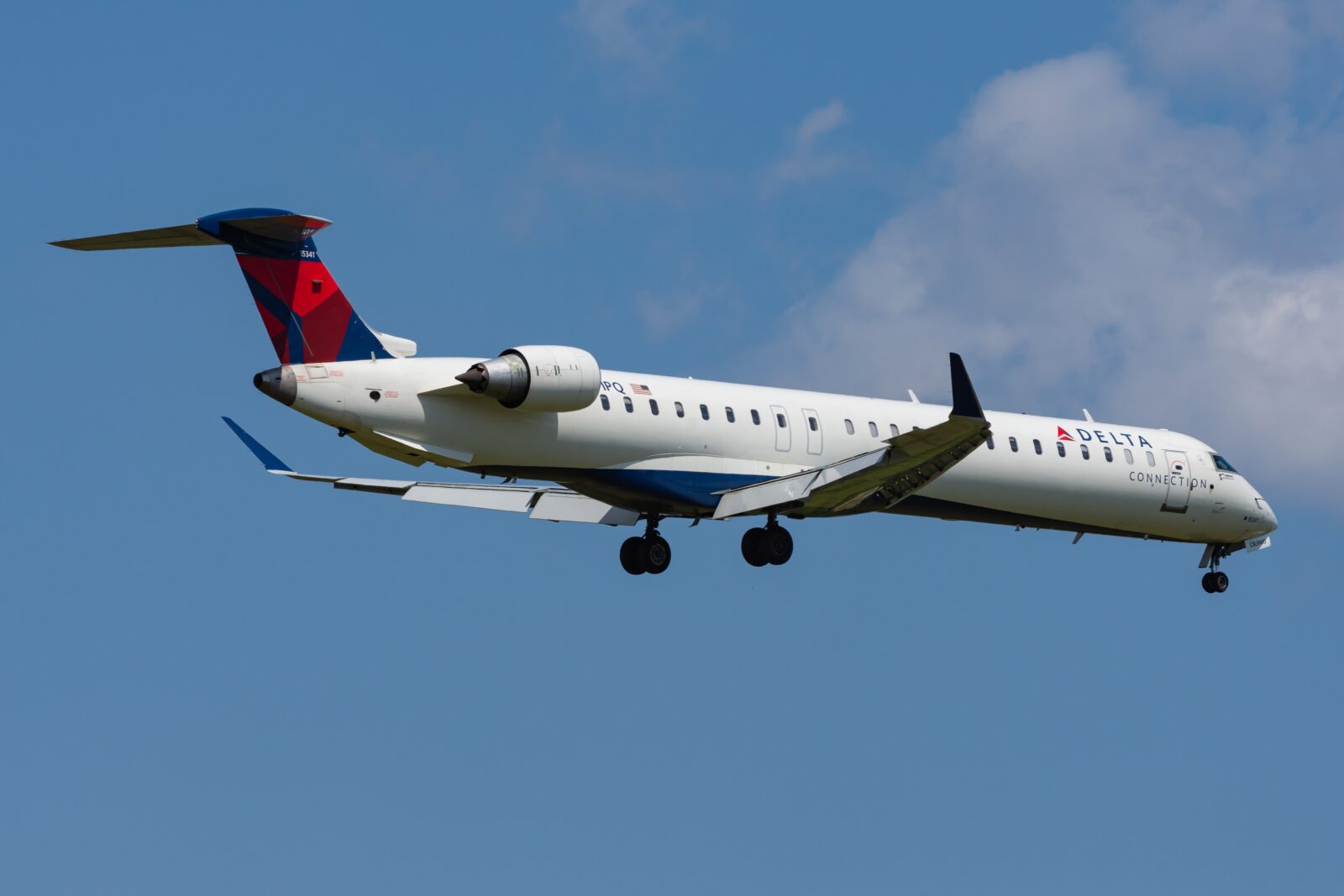
Regional flight attendants at Delta Air Lines who are employed through the Atlanta-based carrier’s wholly owned subsidiary, Endeavor Air, say they are scared of following turbulence procedures that are meant to keep them safe because doing so could have an impact on their customer satisfaction scores.
The warning came in a memo from the Association of Flight Attendants (AFA-CWA), which represents crew members at Endeavor Air, unlike their mainliner counterparts, who are famously non-unionized.

“For weeks now, management has been reminding us that safety is our highest priority,” the union said in the memo. “We’ve received emails about Just Culture. We’ve received emails about safety reporting. We’ve received emails encouraging employees to identify hazards, speak up, and make safe decisions.”
“Flight Attendants have done exactly that. The problem isn’t that employees aren’t reporting concerns. The problem is what happens after those concerns are reported.”
Just like a slew of other U.S.-based carriers have done, Delta and Endeavor Air changed their turbulence procedures last year, with the aim of securing the cabin for landing at a higher altitude than was previously allowed.
The reason for this change is that studies have found that the highest risk of turbulence comes during an airplane’s descent for landing, and that, given flight attendants are usually the only people on board not buckled up at this time, they are the ones who take the brunt of turbulence-related injuries.
Rather than crew members strapping themselves into their jumpseats at around 6,000 feet, more and more airlines are telling flight attendants to ensure that passengers are secure and they, too, are buckled in at 10,000 feet at the latest.
This might not seem like a huge difference, but it can easily knock off around 10 minutes from the available in-air service time, which can pose a challenge on the shorter flights mostly operated by regional airlines like Endeavor.
The union memo adds: “Both Endeavor and Delta have policies intended to keep Flight Attendants safe. The issue isn’t the language in the manual; it’s whether Flight Attendants feel supported when they follow it.”
“At Endeavor, many Flight Attendants report feeling pressure to continue service and meet ‘Strive for the Five expectations rather than secure the cabin at the earliest safe opportunity.”
Strive for Five is Endeavor’s internal campaign to encourage flight attendants to strive for a perfect five out of five score in post-flight customer satisfaction surveys.
“Safety should never compete with service scores. When turbulence is a concern, Flight Attendants should be empowered to follow policy without worrying about how it may impact customer satisfaction metrics,” the memo added.
“Apparently, turbulence is a serious safety concern at Delta but a manageable inconvenience at Endeavor.”
Turbulence is, however, the only issue that has gotten Endeavor flight attendants hot under the collar, quite literally.
The uniform has also fielded complaints from its members about excessive on-board heat, especially during the hot summer months, when the lack of air vents above crew members’ seats and in the galleys of the airline’s CRJ regional jets becomes really noticeable.
The airline has sought permission from management to allow flight attendants to wear portable neck fans, but this has been rebuffed on the grounds of Endeavor’s ‘strict’ uniform policy.
“At some point, it becomes fair to ask the question many Flight Attendants are already asking: Is Endeavor placing operational metrics and OPR scores ahead of Flight Attendant safety?” the memo added.
Many regional flight attendants already feel like second-tier crew members, despite doing the same job as their mainline counterparts. The Association of Flight Attendants has long campaigned to abolish this ‘two-tiered’ employment model, in which regional crew members earn ‘poverty’ pay.
Sara Nelson, the union’s firebrand leader, claims many regional flight attendants are paid, on average, 45% less than their mainline peers.
“The model is cruel, immoral, and a favorite play of a union buster hoping to promote resentment between workers rather than focusing anger and responsibility on the real corporate decision makers,” Nelson slammed.
Want to see more stories like this? Add PYOK as a preferred source on Google, and we'll show up more often in your searches and Google News.
Add PYOK as a Preferred Source