



American Airlines Orders Flight Attendants Into Their Jumpseats Earlier Than Ever Amid Rising Turbulence Injury Fears

- American Airlines is introducing a major change to its landing procedures that will require flight attendants to be seated in their jumpseats earlier than ever before, following research showing that turbulence-related injuries are most likely to occur during the final stages of a flight.
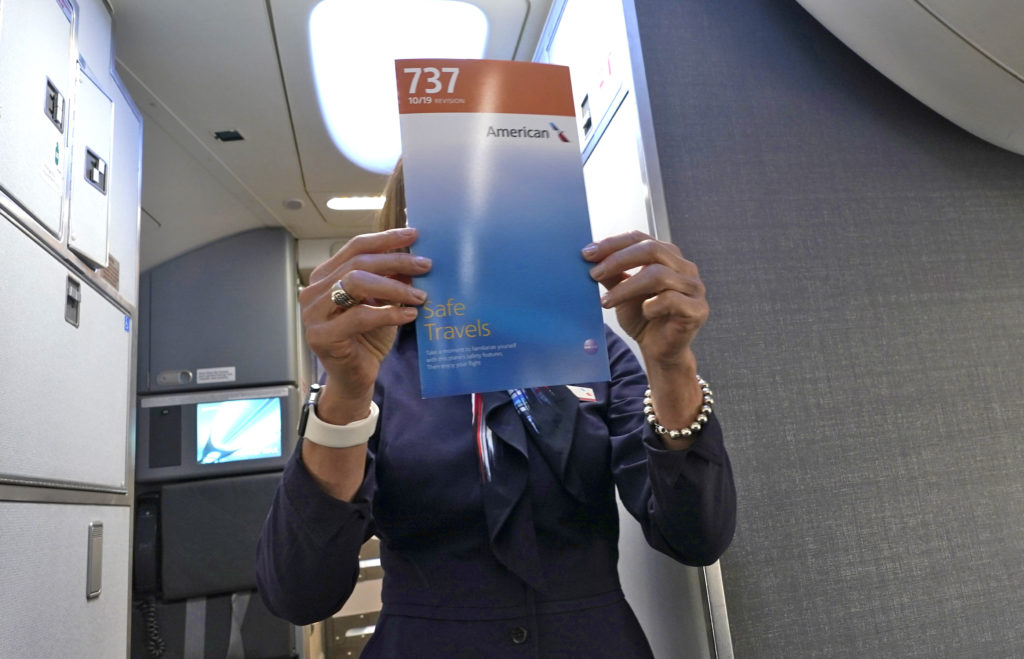
American Airlines is ordering its flight attendants to strap themselves into their jumpseats earlier than ever in preparation for landing in a bid to reduce turbulence-related injuries, which studies have found are most likely to happen as an airplane is in its descent for arrival.
The changes are expected to be implemented soon and are largely in line with a policy that was implemented at Southwest Airlines nearly two years ago. Unlike Southwest, however, the fellow Texas-based carrier will expect flight attendants to carry out the same level of cabin crew, even on its shortest flights.

On domestic flights, American Airlines flight attendants have traditionally started to prepare the cabin for landing with around 10-15 minutes of the flight to go, when the aircraft is at an altitude of around 10,000 feet.
Going forward, however, flight attendants will start to prepare the cabin for landing at an altitude of 18,000 feet, and then strap themselves into their jumpseats as soon as possible, and definitely no later than 10,000 feet, when the pilots will sound chimes in the cabin to indicate the altitude.
Explaining the policy change in an internal memo, the Association of Professional Flight Attendants (APFA) noted: “Turbulence remains one of the leading causes of occupational injuries for flight attendants. Unlike passengers, flight attendants are frequently standing, walking, conducting service, or completing compliance duties when turbulence occurs.”
“The revised procedures are intended to provide additional time to prepare the cabin, improve communication regarding anticipated conditions, and reduce the time flight attendants are exposed to turbulence while performing required duties during descent.”
The memo added: “The Inflight Manual reinforces that flight attendants should not jeopardize their personal safety during turbulent conditions and emphasizes that communication between the flight deck and cabin crew is essential to avoiding turbulence-related injuries.”
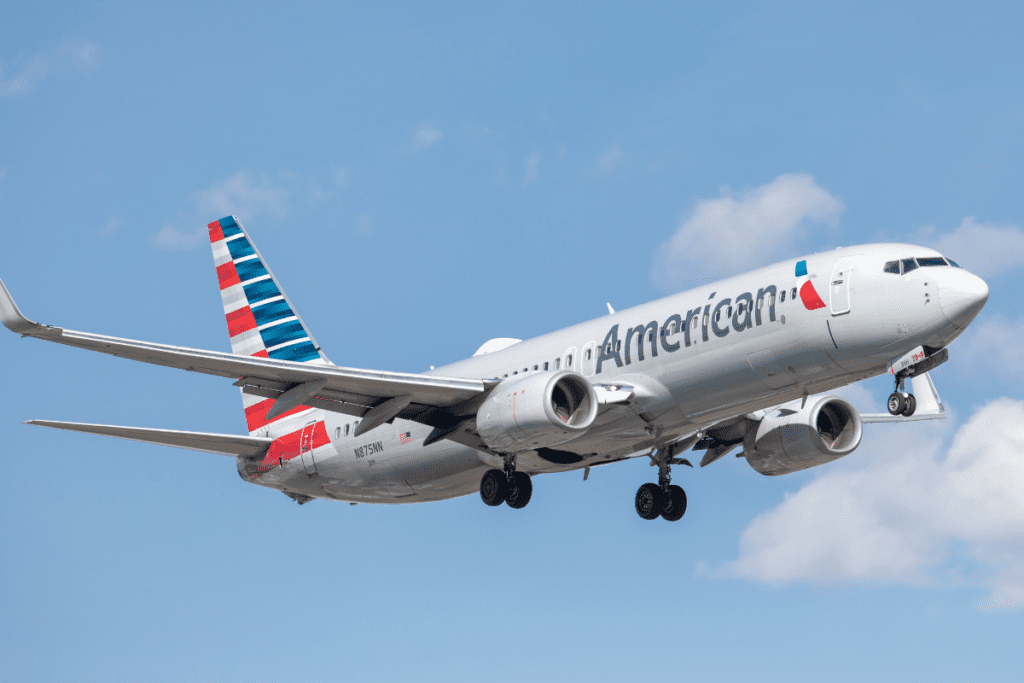
The National Transportation Safety Board (NTSB) has previously published detailed research about the risk of turbulence, which concluded that the majority (36%) of turbulence-related accidents occurred during descent, based on real accident data from 2009 to 2018.
The data also found that more than 65% of turbulence-related accidents during the descent phase occurred below 20,000 feet, with flight attendants most likely to be injured.
In fact, flight attendants accounted for nearly 80% of serious turbulence-related injuries, with the majority of those incidents occurring in the galley at the back of the plane, and 40% of flight attendant injuries occurring as they walked through the cabin doing compliance checks.
Earlier this year, the NTSB released its final accident report into a serious incident aboard a United Airlines flight from Los Angeles to Newark in February 2024, when three flight attendants were seriously injured during sudden turbulence as they were preparing the cabin for landing.
The Boeing 777 encountered severe turbulence, throwing the flight attendants into the air without warning. One crew member was thrown against the ceiling and knocked unconscious before she was dropped on a beverage cart. She then landed heavily on her left leg, causing her femur to shatter, and crushing a spinal vertebrae.
And in another incident in 2024, three flight attendants were tossed into the air on an Alaska Airlines flight from Seattle to Phoenix, leaving them bleeding and “screaming in pain” before they were stretchered off the plane.
The Joint Safety Analysis Team for Commercial Aviation (JSAT) has suggested that flight attendants should be strapped into their jumpseats for landing at around 20,000 feet, although most airlines have opted for policies below this requirement.
How will this change affect on board service?
Typically, American Airlines doesn’t offer an onboard service on shorter domestic flights under 250 miles, so this change won’t have any impact on these very short flights, though flights between 250 and 300 miles could be affected.
Officially, American Airlines doesn’t plan to alter its cabin service on flights between 250 and 300 miles, such as Phoenix to Las Vegas, and Philadelphia to Boston, but the amount of time that flight attendants have to complete the cabin service on these flights will be less than now, and there’s a risk that on some flights, they’ll run out of time to serve everyone.
It’s also worth mentioning that on all flights, passengers will be required to be strapped into their seats longer before landing than at present, with their tray tables and laptops stowed, and all glassware removed.