



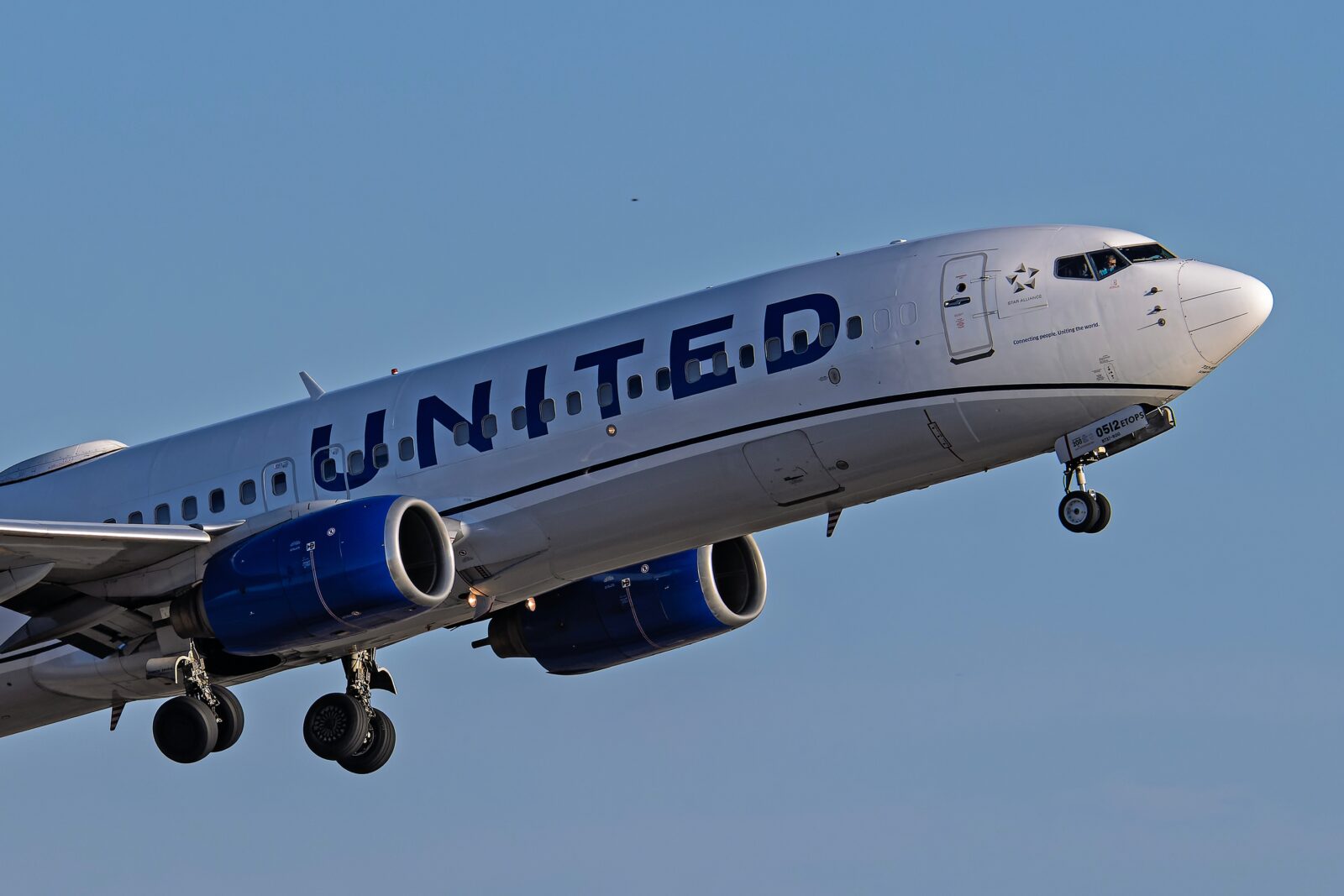
The pilots of a United Airlines flight from Newark to Guatemala City were forced to make an emergency diversion to Washington Dulles on Thursday evening after an unruly passenger allegedly attempted to open a cabin door as the plane flew at 30,000 feet over Delaware.
After the passenger made a wild attempt to open the door of the Boeing 737, he then assaulted one of his seatmates, according to a recording of a conversation between the pilots and air traffic control.
United Airlines passenger tries to open door at 36,000 feet and assault a fellow passenger this evening.
— Thenewarea51 (@thenewarea51) May 22, 2026
UA1551 (Boeing 737 Max) from Newark to Guatemala, diverted to Washington Dulles because of the unruly passenger.
Audio via @theATCapp pic.twitter.com/gYKnx6OZLr
The incident occurred on May 21, not long after United Airlines flight UA-1551 had departed Newark and while the plane was still climbing to its full cruising altitude for the four and a half hour flight to Guatemala City.
According to data supplied by Flight Radar 24, the Boeing 737 MAX-8 aircraft diverted off its intended course just 40 minutes after takeoff, as the flight attendants grappled with the unruly passenger.
It was at this point, as the pilots were discussing the diversion with air traffic control, that the seriousness of the incident came evidence:
- Air traffic control: United 1551, they’re asking me: what door did the passenger try to open?
- Pilot: Door 2L, at 30,000 feet, and then assaulted a fellow passenger.
- Air traffic control: United 1551, any injuries that we should be aware of?
- Pilot: Not to our knowledge.
In this case, the pilots appeared to be very calm about the situation, suggesting that the situation in the cabin was under control, despite the disruptive behavior being displayed by one of the passengers.
In order to manage in-flight unruly passenger incidents, airlines, air traffic control, and law enforcement use an internationally recognized scale that ranges from Level 1 to Level 4.
- Level 1: Disruptive behavior such as verbal disruption and refusing to comply with crew member instructions.
- Level 2: Physically abusive behavior, which could include pushing or shoving crew members or other passengers.
- Level 3: Life-threatening behavior, which also includes any use or threat of use of a weapon.
- Level 4: An attempted or actual breach of the cockpit.
You would expect this incident to sit within the Level 2 category, although some pilots err on the side of caution and escalate an attempt to open a cabin door immediately to Level 3.
At 30,000 feet, it would be impossible for a passenger to open a cabin door due to the pressure difference between the inside and outside of the aircraft. At lower altitudes, however, when the pressure difference is a lot less, it is very much possible to open an airplane’s door in-flight.
The only exception to this rather alarming fact is on some widebody aircraft that are fitted with speed locks, which lock the door shut once the aircraft reaches a certain speed as it accelerates for takeoff.


Put an Air Marshal on all flights. Surely it would be less expensive than landing a emergency landing.