



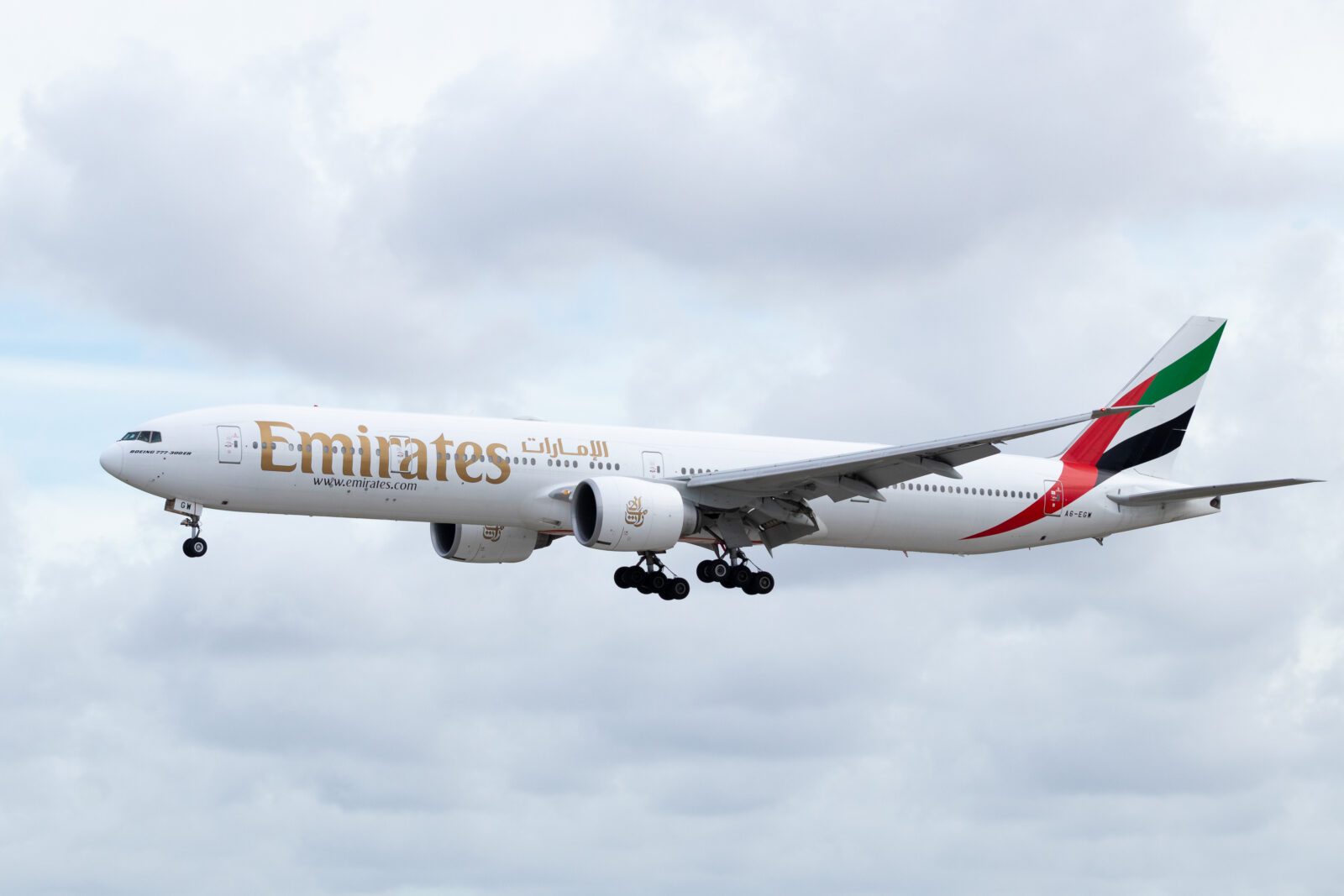
The pilots of an Emirates Boeing 777-300 with as many as 328 passengers on board declared a low-fuel ‘mayday’ distress signal after two attempts to land at Miami International Airport (MIA) on Sunday morning ended in failure.
Emirates flight EK-213 had been in the air for more than 17 hours at the time the pilots declared the emergency, having already alerted Air Traffic Control to the fact that they were running low on fuel after the first attempt at landing went wrong.
Emirates flight from Dubai to Miami declares MAYDAY at Miami International Airport this morning for low fuel.
— Thenewarea51 (@thenewarea51) May 17, 2026
EMIRATES 213 flt (Boeing 777-300ER) was on approach to runway 09 at MIA when they had to go around due to low visibility/wind shear due to thunderstorms.
They… pic.twitter.com/xY7DYiVktE
In fact, it appears that the pilots had quite a bit of bad luck attempting to land in Miami after already battling strong headwinds across the Atlantic Ocean that made the flight longer than normal.
Depending on how strong the headwinds are across the Atlantic, this Emirates flight from Dubai normally completes the journey in around 15 and a half hours upwards to 16 and a half hours.
In this case, data from Flight Radar 24 shows that EK-213, which landed on May 17, had a total flight time of 17 hours and 16 minutes.
The strong headwinds weren’t too much of an issue on their own, but as the plane approached Miami International at around 10:30 am on Sunday, the airport was being buffeted by wind shear as thunderstorms moved through the area.
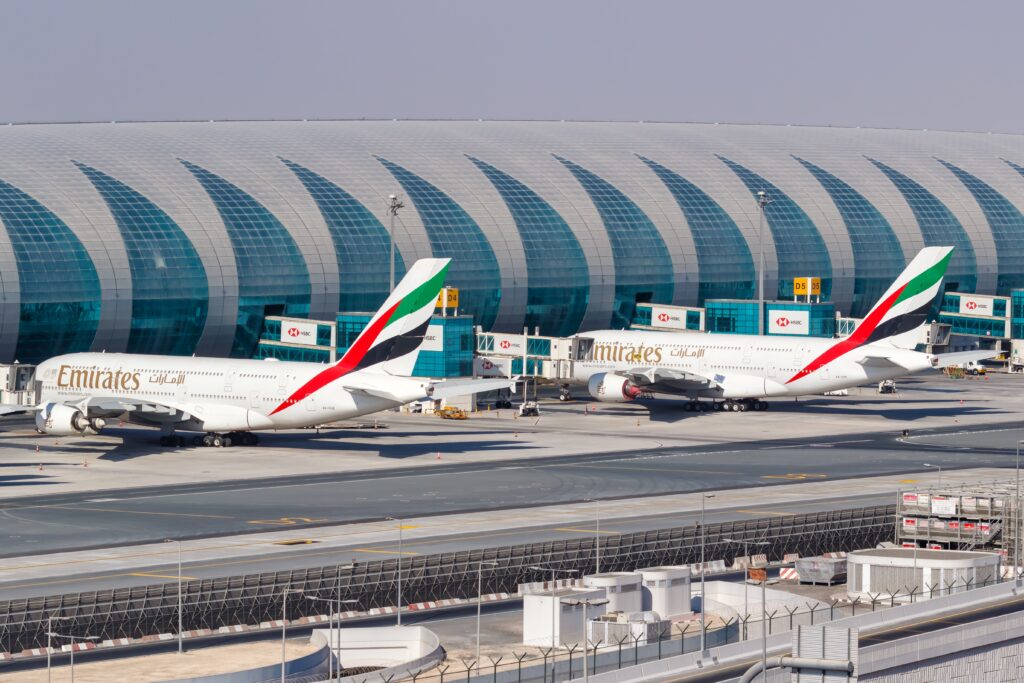
As the plane made its final approach to land on Runway 09, the pilots rejected the landing attempt due to low visibility and windshear.
Already concerned about the fuel situation and worried that the weather conditions might not improve, the pilots requested an unusual diversion to Fort Lauderdale, but the air traffic controller suggested they attempt to land on Runway 12, which runs at a different angle to Runway 09, and, therefore, had less windshear.
The pilots agreed with this course of action, but told Air Traffic Control that they were declaring ‘Minimum Fuel.’ This isn’t an emergency declaration, but rather an advisory to ATC that the pilots can’t accept any significant delay or holding.
The plane circled around and lined up to land on Runway 12. Everything was looking good as the land came within less than 100 feet of landing, until the Air Traffic Control tower at Miami International noticed that another plane hadn’t vacated the runway in time.
In order to avoid a potential collision, the pilots of EK-213 were ordered to reject their landing attempt and ‘go around.’
At this point, the pilots immediately made a ‘Mayday’ call to air traffic control. This is no longer an advisory to the controllers but a full emergency declaration.
At this point, air traffic control was obligated to clear the way to get the Emirates flight 213 on the ground as quickly as possible.
Controllers immediately moved another aircraft out of the landing pattern so that Flight 213 could take precedence. Thankfully, on the third attempt, the plane landed on Runway 12 without incident and taxiied to the gate under its own power.
Whenever these kinds of incidents happen, there’s always the question of just how little fuel an aircraft had left in its tanks to warrant such a serious emergency declaration, and why the pilots didn’t take on even more fuel in Dubai to prevent this issue from arising in the first place.
Obviously, fuel adds weight to a plane, which can further slow it down, so calculating how much fuel is required for any given flight isn’t just a case of filling up the tank full. This would end up burning more fuel than necessary, slow down the plane, and increase harmful emissions.
In this case, the pilots had assessed they had enough fuel for at least one missed approach in Miami, and then a reroute to Fort Lauderdale as an alternate airport to land at.
Once, the plane had experienced two missed approaches; however, things became a lot more serious very quickly. That’s not to say that the plane was about to fall from the sky due to a lack of fuel, but that the pilots assessed it was no longer safe to be kept in a holding pattern to attempt to land.