



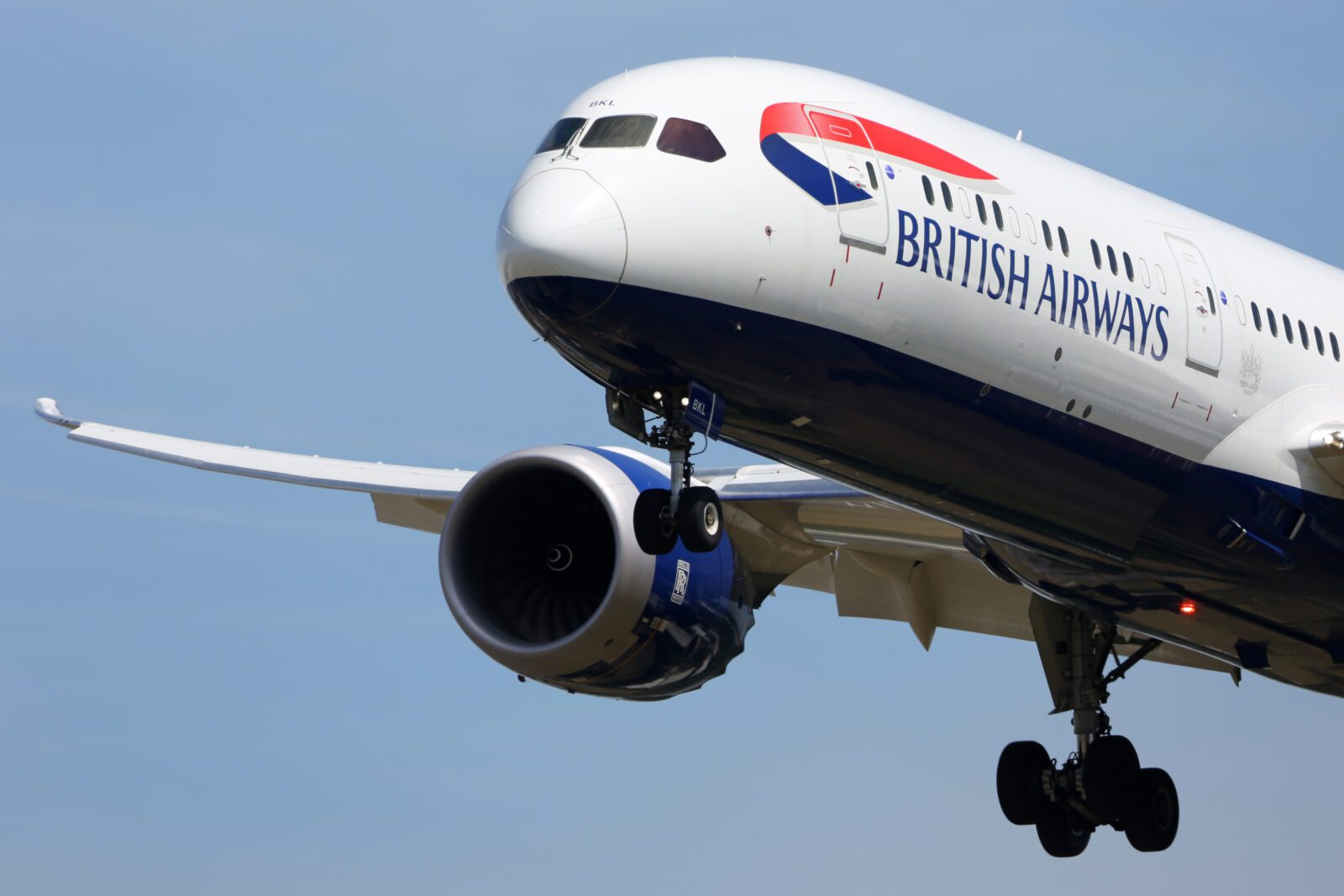
British Airways has just joined a slew of other international airlines to ban passengers from storing portable power banks in overhead lockers over fears that the popular travel gadget could overheat and burst into flames undetected, allowing fire and smoke to quickly spread throughout the aircraft.
The important rule change was announced on Thursday and came into effect without notice. As well as banning power banks from the overhead lockers, passengers are also barred from using the in-seat power supply to charge their power banks.
The new rules are based on guidelines published by the International Civil Aviation Organization (ICAO), which is the specialist aviation agency of the United Nations, following a series of alarming incidents involving lithium-ion batteries overheating and catching fire.
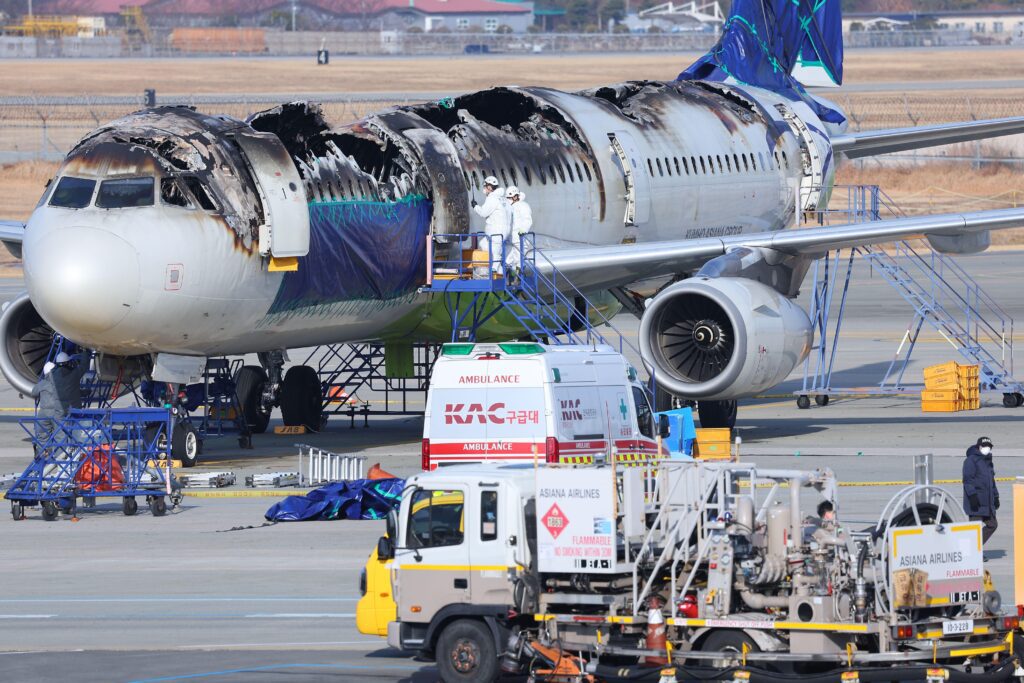
The review was prompted by an incredibly serious incident in January 2025, when passengers were still boarding an Air Busan Airbus A321 in South Korea. A power bank caught fire in a passenger’s rucksack, which had been stored in an overhead locker.
The fire started to spread before anyone realized what was happening, and when the flight attendants finally became aware, they were unable to extinguish it. Passengers managed to evacuate the plane via the emergency escape slides, but the fire completely destroyed the aircraft.
While some airlines took action almost immediately in the wake of this incident, many other international carriers awaited the result of an international review carried out by ICAO and its member airlines.
The new rules for British Airways passengers are almost an exact replica of the ICAO guidance:
- Only two power banks per passenger are permitted, not exceeding 100 Wh each.
- Power banks must not be stored in overhead lockers at any point.
- The in-seat power supply must never be used to charge power banks.
- Power banks must remain easily accessible throughout the flight.
- They cannot be used to charge other devices during takeoff and landing.
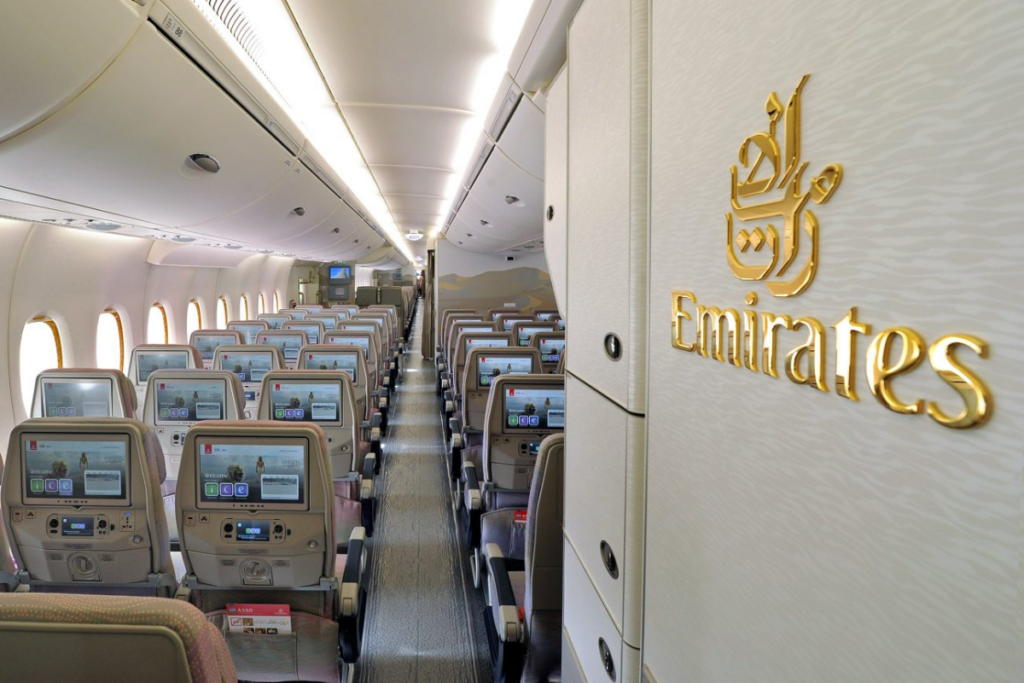
Airlines that have already adopted these rules include the likes of American Airlines and Lufthansa. Other carriers have gone even further, including Southwest Airlines and Emirates that bar passengers from carrying more than one power bank per person.
Power banks and other lithium battery-powered devices have been banned from checked luggage for a number of year and this rule remains in force. Anyone exceeding the power bank limit will not be allowed to check excess devices into their checked luggage.
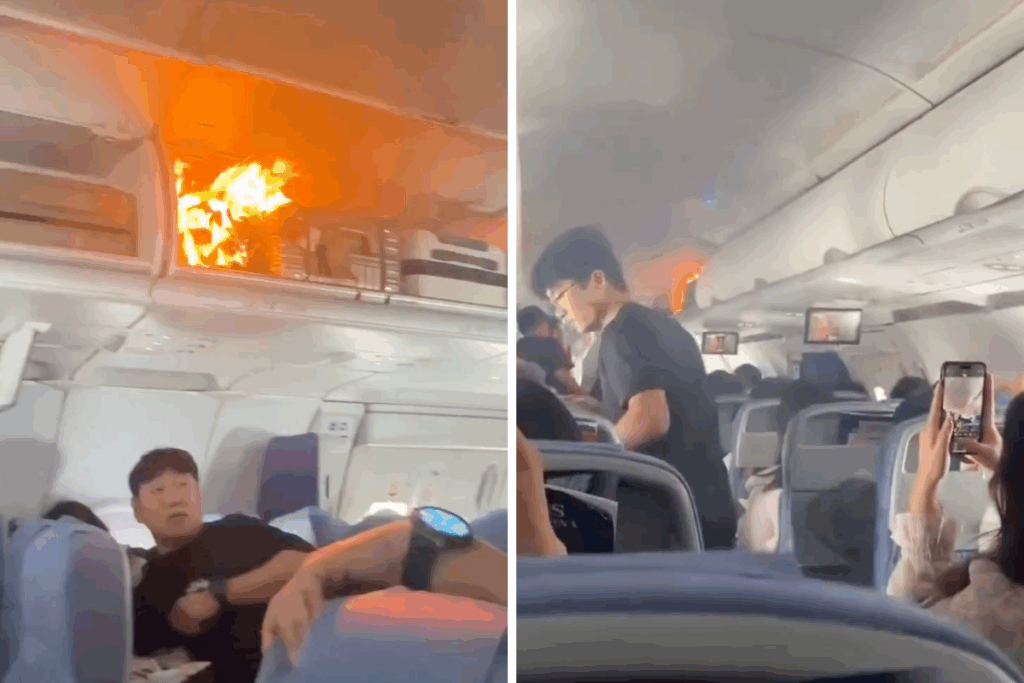
Any device powered by a lithium battery, such as a cellphone, laptop, e-cigarette, or power bank, has the potential to overheat and catch fire, in a process known as ‘thermal runaway.’
The term ‘thermal runaway’ comes from the fact that Lithium batteries are made up of lots of fuel cells. When one cell overheats, this can quickly spread to the next cell and so on until the power bank explodes into flames.
A thermal runaway can cause lots of heat, sparks, fire, and smoke, and can be very difficult to extinguish.
However, the aviation industry is most concerned about the threat posed by power banks because the lithium batteries in these devices are so large, and because they don’t have the same self-regulation as modern-day cellphones.
The Air Busan incident, whilst the most serious, was not an isolated occurrence. There have been a growing number of lithium battery incidents, with flights forced to divert and passengers evacuated onto the runway.
Flight attendants are trained to fight onboard fires and have a number of tools available at their disposal, including Halon extinguishers, specialist breathing apparatus, and special heat-resistant bags that can be used to store an overheating lithium battery.
The Federal Aviation Administration (FAA), however, recommends a far more low-tech approach to dealing with a lithium battery fire – dousing the device in copious amounts of water and then submerging it in water.