



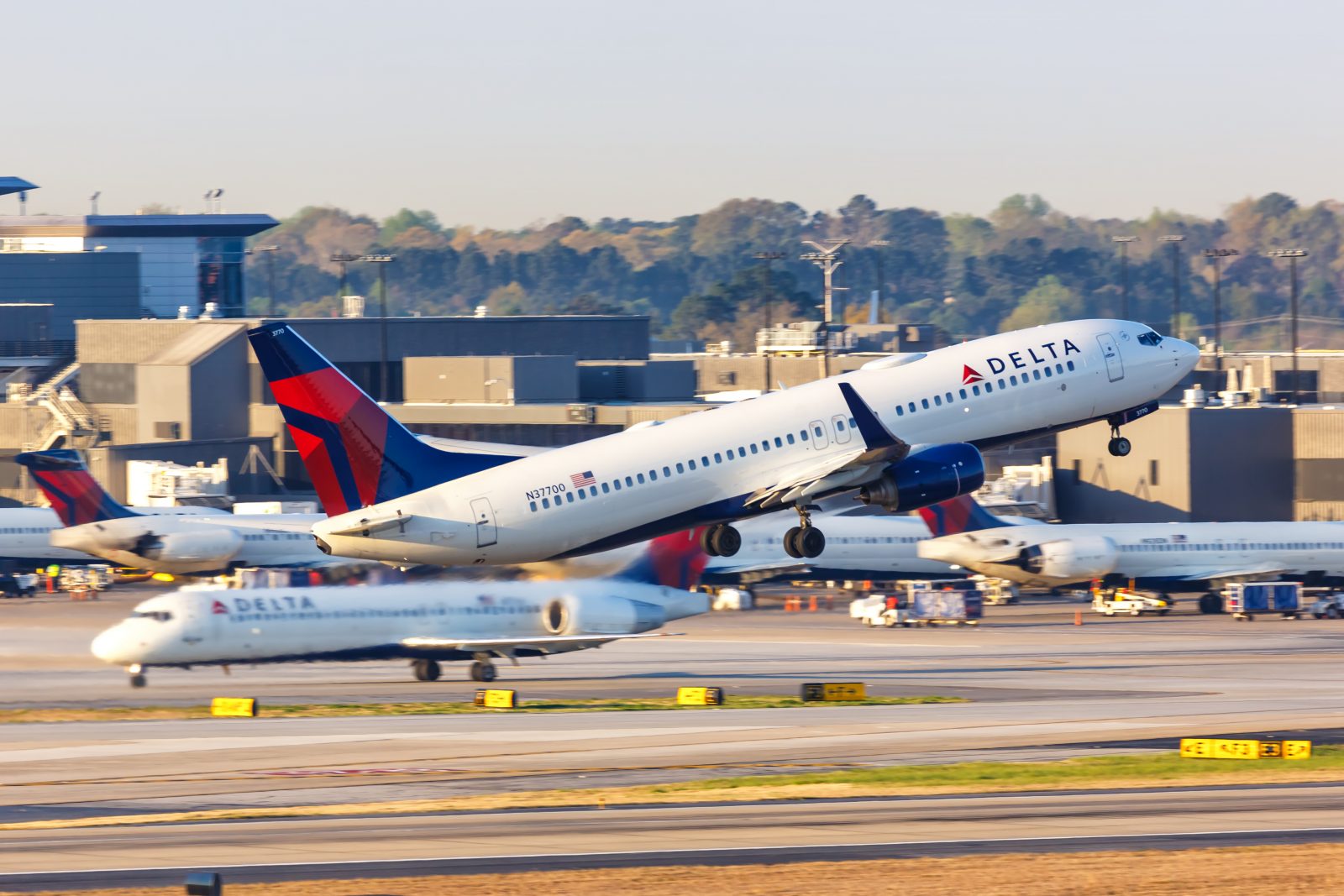
The Atlanta City Council has approved a feasibility study into whether it can ditch the Transportation Security Administration (TSA) at Atlanta Hartsfield-Jackson International Airport and replace federal workers with a private security screening company.
The resolution was passed on Monday following a vote by councillors after Atlanta Hartsfield was hit by major delays at TSA security checkpoints during the last partial federal government shutdown that stretched through February and March.
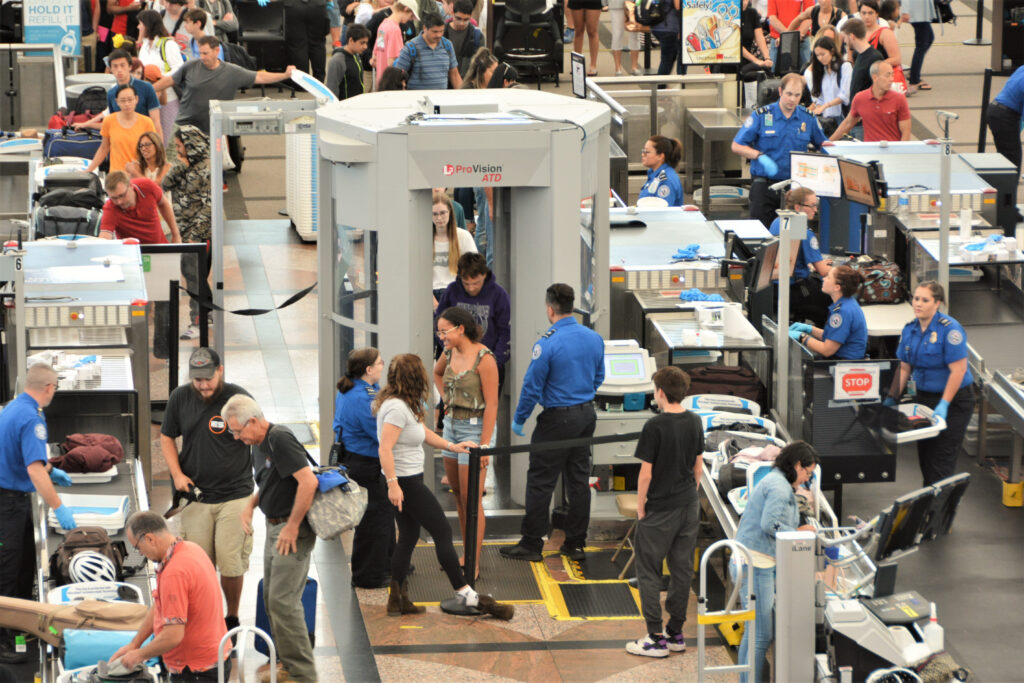
During the shutdown, up to 36% of TSA officers assigned to work on any given day didn’t show up for work as planned, leading to “multi-hour wait times, canceled flights, and substantial economic harm to the traveling public and regional economy,” the resolution explains.
In contrast, airports that don’t use the TSA, such as San Francisco, Kansas City, and Orlando, didn’t experience similar disruptions with wait times to clear the security checkpoints remaining normal throughout the shutdown.
Since 2001, airports have been able to opt out of using the TSA at their security checkpoints under the federal government’s ‘Screening Partnership Program’ (SPP), in which private companies are contracted to run airport security checkpoints and other TSA functions.
There are currently only around 20 to 22 airports across the United States that make use of the SPP program, although last month, the Trump administration revealed that it was looking to shave millions of dollars from the TSA budget by expanding the SPP program to more airports.
Although SPP providers are still funded through the federal government rather than by the airport, the money comes from pre-existing federal contract obligations rather than direct annual appropriations.
There are, however, some major obstacles for the Atlanta City Council to overcome, most notably, the fact that Atlanta Hartsfield is currently classed as a ‘Category X’ airport, which is the highest risk security category.
Until now, no airport classed as Category X has transitioned to private security screening under the SPP program.
The Atlanta City Council owns and operates Atlanta Hartsfield through its Department of Aviation, which has now been tasked with evaluating whether “the SPP model is appropriate for the world’s busiest airport.”
The Department of Aviation has been given just 90 days to commission an independent feasibility study, which will look at the potential impact on running costs and the livelihoods of TSA officers currently employed at Atlanta Hartsfield.
The Trump administration had been planning to expand the SPP program to smaller airports, rather than what is considered by many measures the busiest airport in the world.
Created in the aftermath of the 9/11 atrocities, the TSA was designed to bring standardized airport security screening, although the effectiveness of the agency has always been a big question mark.
What’s important to understand about the SPP program is that while airports apply to be part of this initiative, they don’t automatically get to run the security operation.
SPP is managed by the federal government, and the final decision over which private contractor runs an airport’s screening program is made by the TSA.
According to research cited by the Atlanta City Council, SPP screeners have “demonstrated productivity advantages and comparable or superior security performance to federal screeners.”
Want to see more stories like this? Add PYOK as a preferred source on Google, and we'll show up more often in your searches and Google News.
Add PYOK as a Preferred Source

The biggest slowdown @ all TSA checkpoints is the DIY ID check & picture taking they have forced on the pax. The screeners literally spend more time grunting & pointing at their little ID machines, & then more time spent on the picture taking, than they would spend if they went back to doing it themselves. TSA created this cluster, as usual; it’s just compounded in a place like ATL.
Isn’t SFO a Class X?
San Francisco is a Category X airport and the article states SFO is using a private form
Not according to the Atlanta City Council resolution
The city of Atlanta has way bigger problems than the airport security. There is no way a private screening company can make money and match the salaries that the TSA officers make. Looking at the SSP program that is one of the requirements. When the city council sees that price tag they will back off. Also, if that happens Delta will defiantly have more influence. Airport security and airline’s role should remain separate for the interest of all of us.