



Airline Boss Backs Cockpit Cameras After Deadly Air India Crash Leaves Industry Baffled

- The director general of the International Air Transport Association (IATA) says its now time to install video surveillance cameras in cockpits - a controversial idea that has long raised privacy concerns and has pitted the NTSB against the FAA.
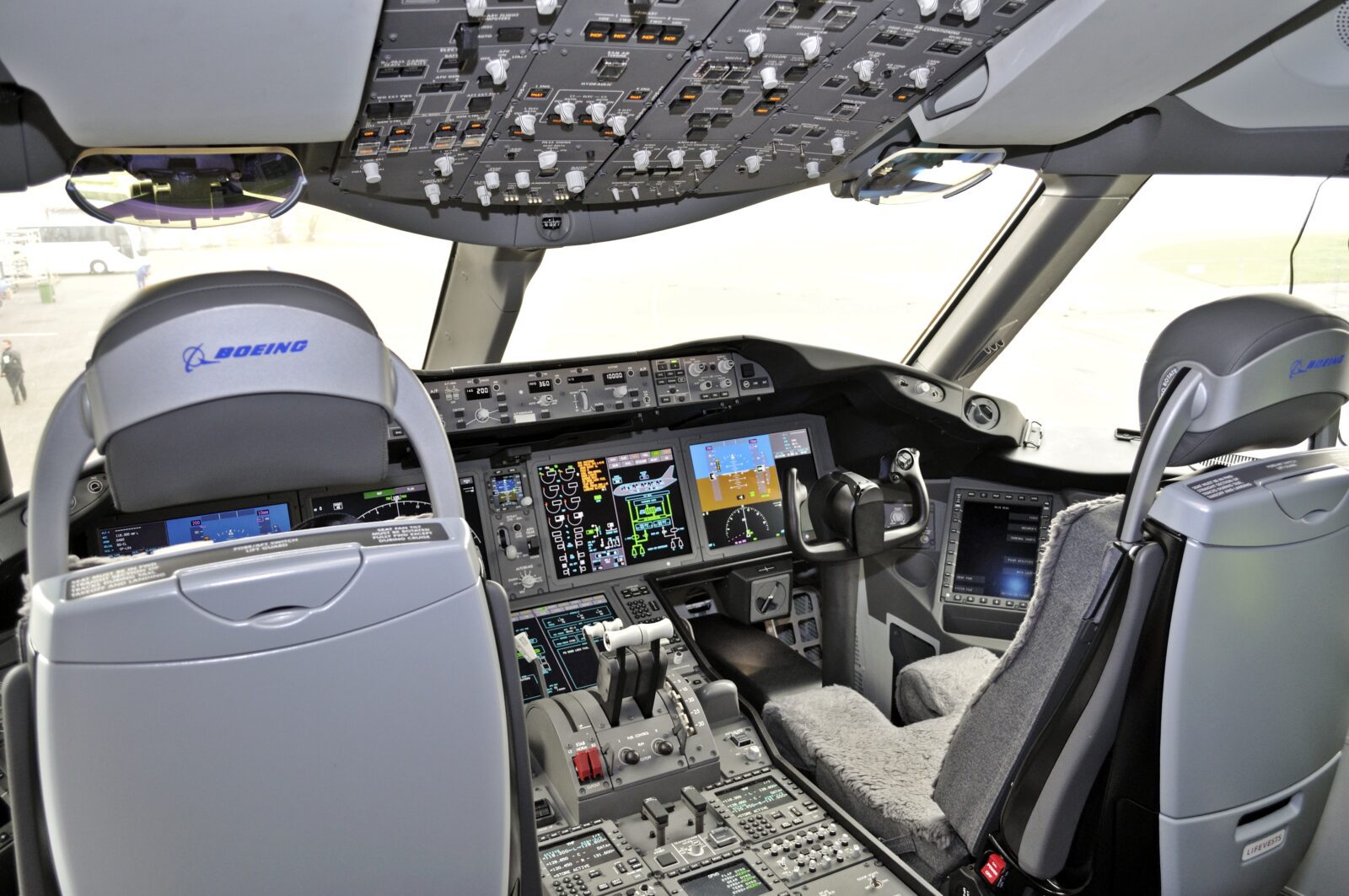
Willie Walsh, the Director General of the International Air Transport Association (IATA), has thrown his weight behind calls for surveillance cameras to be installed in airplane cockpits, claiming that video evidence would be of great help in accident investigations.
Speaking in a personal capacity rather than pursuing an official line from the lobby group which represents the vast majority of commercial airlines around the world, Walsh highlighted the benefits of video recorders in the cockpit.
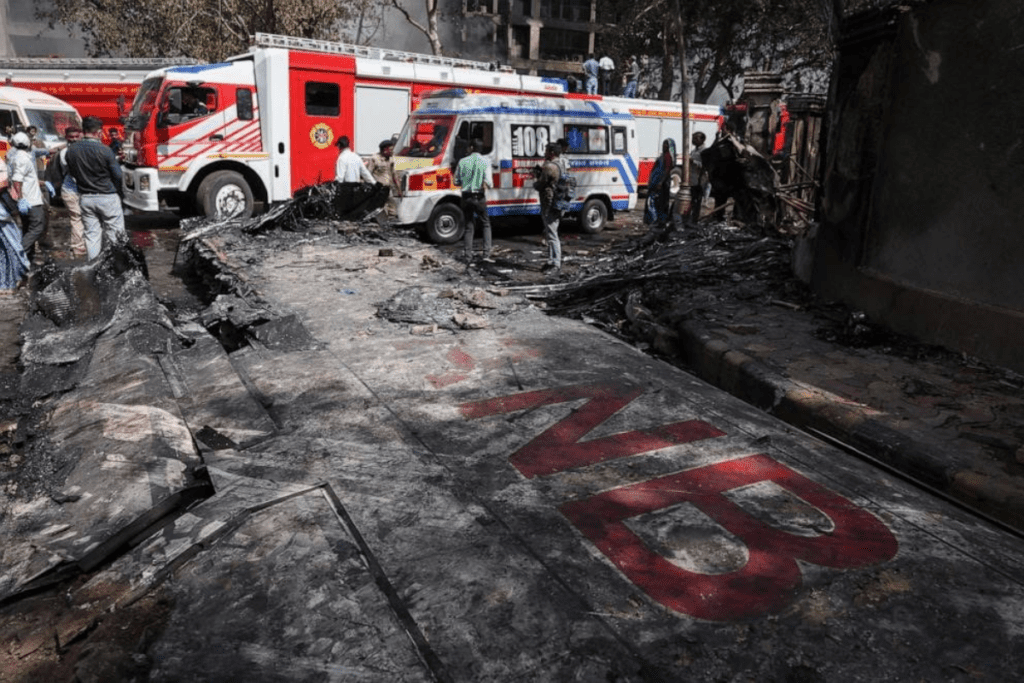
“On a personal basis, I can see that there is a strong argument now for the inclusion of video,” Walsh, who was a pilot at Irish flag carrier Aer Lingus in the 1970s and 1980s, said during an interview in Singapore on Wednesday.
Walsh had been questioned about the ongoing investigation into the fatal crash of Air India flight AI-171 on June 12, adding: “Based on what little we know now, it’s quite possible that a video recording, in addition to the voice recording, would significantly assist the investigators.”
Last week, Indian accident investigators released their preliminary report into the devastating crash that claimed the lives of 260 people.
Investigators revealed that the fuel cutoff switches had been turned off in quick succession, just seconds after takeoff. The report included a brief passage of conversation between the two pilots, in which one asked why the engines had been shut off, and the other responded that he had not touched them.
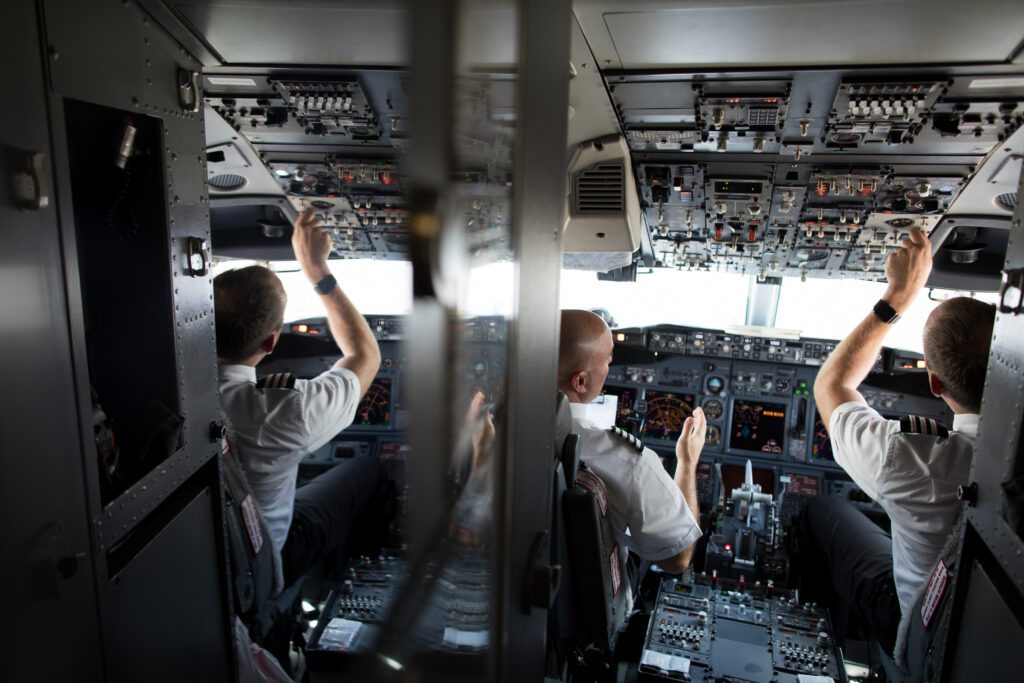

There may be additional data from the cockpit voice or data recorders that will help investigators reach a conclusion as to what definitively caused the accident, but video evidence may have provided valuable clues as to whether the accident was due to a technical defect, a mistake on the part of one of the pilots, or a deliberate input.
In the US, the National Transportation Safety Board (NTSB) has long called for video surveillance cameras to be installed in the cockpit, but the agency has faced fierce opposition from the airline industry and regulators.
In fact, the NTSB has been calling for image recorders in the cockpit for more than 20 years, but the Federal Aviation Administration (FAA) has refused to mandate the inclusion of surveillance cameras on privacy grounds, as well as the additional cost that would be incurred by airlines.
Check Out This Related Story
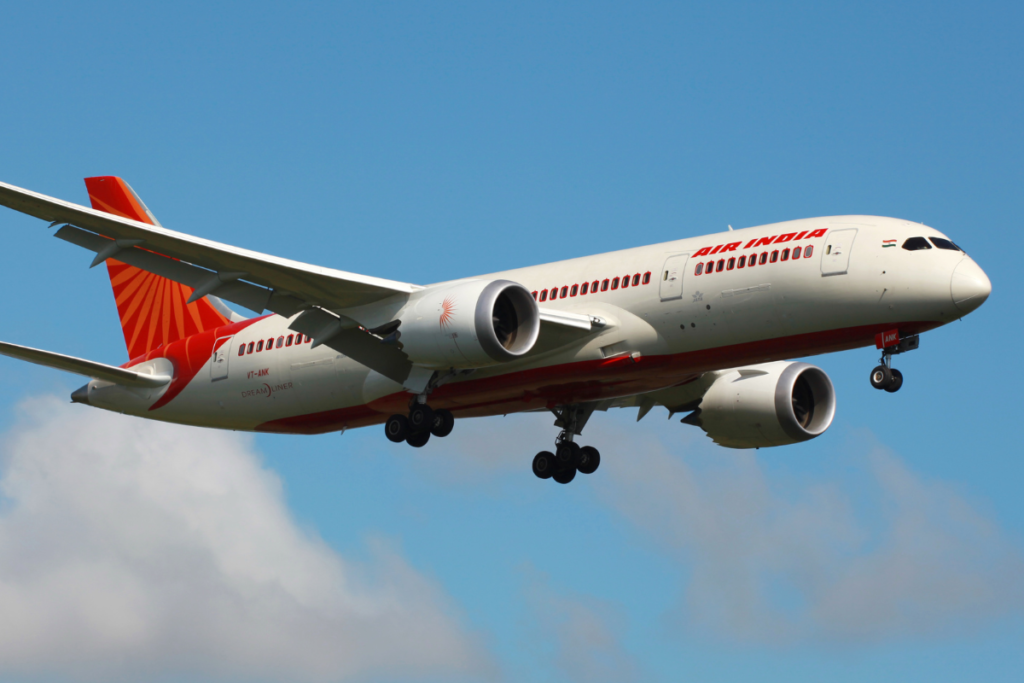
And even if the FAA were to get behind a move to install cockpit video recorders, it could be many years before the agency created a final rule to make them a reality.
Just look at the progress the FAA has made to increase the length of time that cockpit voice recorders record.
In the United States, cockpit voice recorders are only required to record for a maximum of two hours in a continuous loop, whereas many international airlines have already moved to cockpit voice recorders that record a minimum of 25 hours.
In 2023, and only after a spate of alarming near-miss accidents, including several in which the cockpit voice recorder was overwritten and the data was lost way before federal officials had even started their investigations, the FAA published a notice of proposed rulemaking to finally bring US airlines in line with many other countries.
During the comment phase, Alaska Airlines was the only carrier to explicitly come out in favor of the proposed rulemaking, while industry lobby group Airlines for America acknowledged that increasing the recording time would improve accident investigations.
The Air Line Pilots Association (ALPA), however, said it wanted to see additional safeguards put in place, arguing that voice data should not be shared with airlines or used for disciplinary action against pilots.
Should airlines install video recorders in the cockpit? Let me know your thoughts in the comments below…


Just shows how airlines (de)prioritize safety !