



Ryanair Made €1.4 Billion From ‘Hidden’ Extras In The Last Three Months – That’s a Third Of Its Total Revenue

- Ryanair just made 32% of its total Q1 revenue from ancillary charges like baggage fees and priority boarding. Here's how the budget airline turns cheap fares into big profits — and why passengers keep paying up.
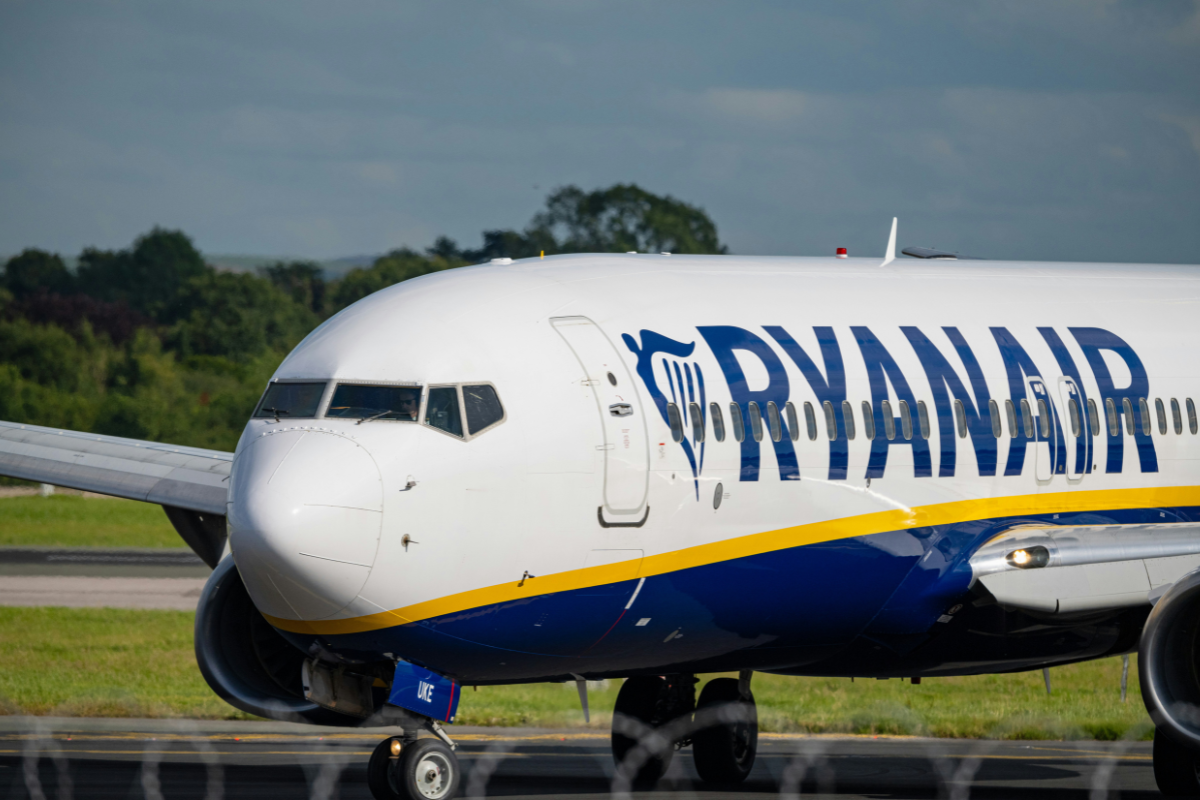
Ryanair made nearly a third of its revenues in Q1, which the Irish low-cost carrier considers as running between April and the end of June, from ancillary charges, including priority boarding, baggage fees, and in-flight sales, such as food, drink, and scratchcards.
On Monday, Europe’s largest budget carrier reported total revenues for Q1 of €4.34 billion, of which €1.39 billion came from ancillary revenue sales – representing 32% of the airline’s revenues in the first three months of Ryanair’s annual financial calendar.
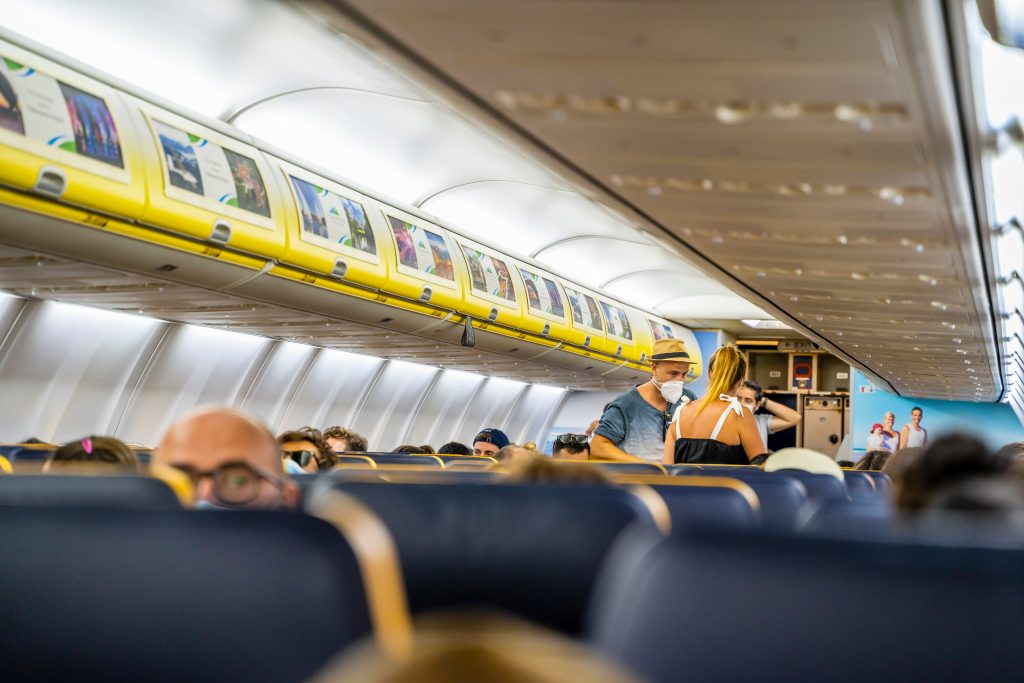
Ryanair’s often outspoken chief executive, Michael O’Leary, was clearly pleased with the airline’s performance in convincing passengers to make ‘discretionary’ purchases on ancillary products, describing it as a “solid performance” after sales rose 7% on the same period in 2024.
The airline has become known for its rock-bottom fare sales, offering cheap tickets but then charging a wide array of fees that can quickly make the total cost skyrocket.
Want to check in at the airport? That will cost €55. Or maybe get your boarding pass reissued because you misplaced it at airport security. That’s another €20.
And whatever you do, don’t make a typo when entering your name to buy a ticket. Ryanair charges an eye-watering €115 to change the name online and €160 if you call the airline to make the change.
Checking a case into the hold can cost as much as €59.99 per bag, while taking a large cabin bag onboard the plane can cost as much as €60 per person.
Don’t expect widely reported changes from the European Commission aimed at eliminating cabin bag fees to make much of a difference, either. Ryanair, and other airlines for that matter, have simple workarounds in place.
At present, Ryanair sells priority boarding, which gives passengers the freedom to bring a large cabin bag onboard, and this isn’t likely to change if European governments adopt plans to ban hand luggage fees.
Why? Because airplane cabins can only hold so many large cabin bags. Ryanair could continue selling priority boarding to give people with the fattest wallets the right to bring their large cabin bags onboard, while the rest would then have to be stored in the hold.
This rule change could, of course, increase costs for Ryanair and other airlines due to an increase in gate-checked bags, but that would probably be offset by higher fares and ancillary fees.
Unfortunately, Ryanair isn’t required to break down its ancillary revenue streams, so we have no idea whether the airline is making most of this money from bag fees, in-flight sales, or other surprise charges.
What we do know, however, is that Italy remains Ryanair’s most important overall market, contributing nearly €940 million of the airline’s total revenues in Q1. This was followed by Spain (€772 million) and then the United Kingdom (€631 million).
Ancillary fees can be a pretty controversial hot topic, but airlines are quick to point out that they are the best way for passengers to access cheap fares and the only way for the services they need.
The alternative, they argue, is that everyone has to pay more in order to subsidize the airline in offering services that they aren’t even using.
That being said, it can pay to carefully compare the total cost of flying with different airlines, rather than being lured in by a cheap base fare. Once you’ve added extras like cabin baggage into the equation, it can be cheaper to fly with an airline that has this bundled into the base fare.
Are ancillary revenue fees as much of a good thing for passengers as they are for the airlines that charge them? Let me know your thoughts in the comments below…