



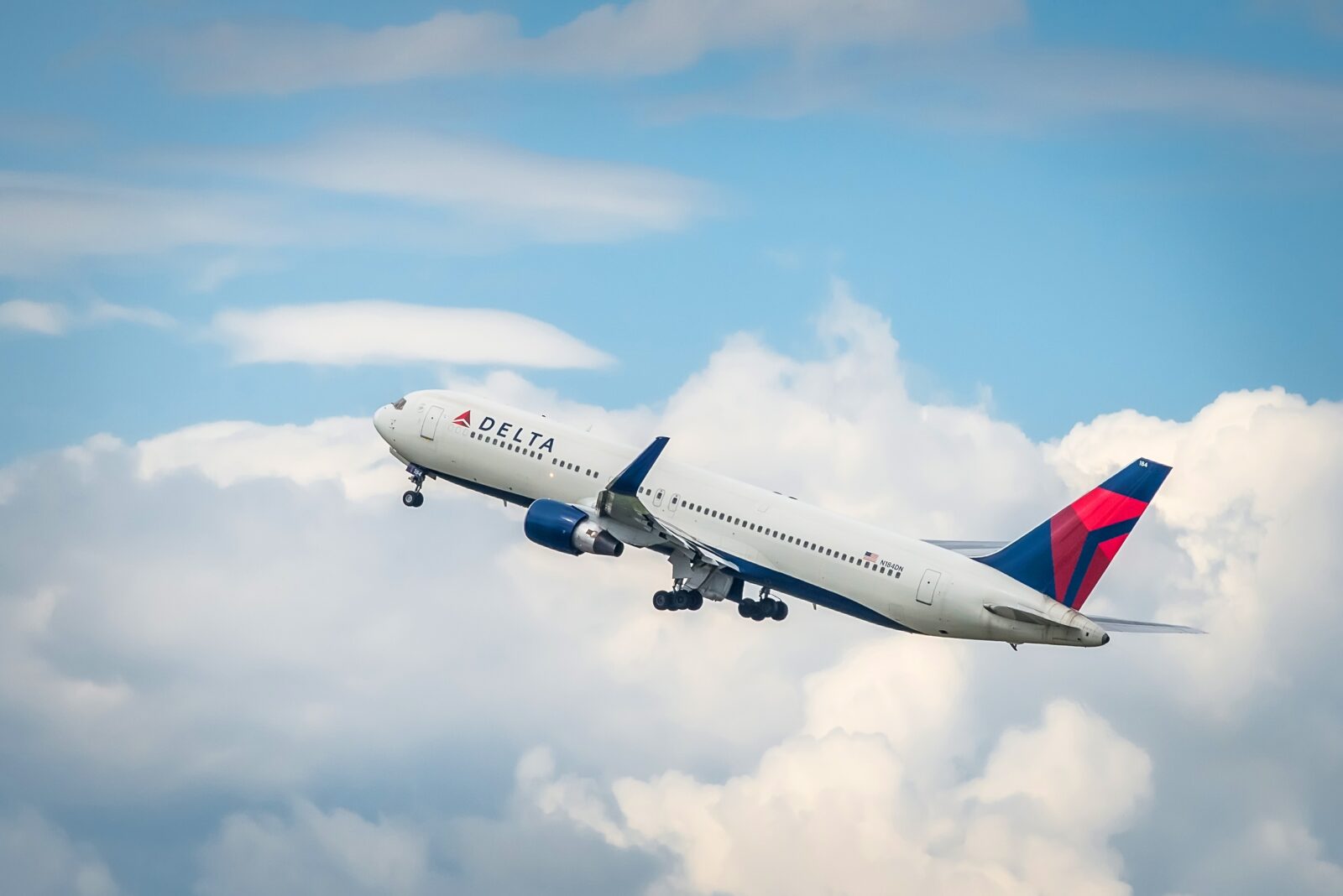
A Delta Air Lines flight from Stockholm to New York JFK had to be canceled just moments before takeoff on Tuesday after a pilot reportedly failed a breathalyzer test, stranding nearly 200 passengers overnight in the Swedish capital.
The pilot was hauled into police custody, but in a strange twist, it turns out that the crew member wasn’t actually intoxicated and that the flight may have been grounded for no reason.
Delta is now scrambling to reroute the passengers from flight DL-205, which was meant to depart Stockholm Arlanda Airport at 10:10 am on July 22, while the Atlanta-based carrier is also working with local law enforcement in Sweden to work out what went wrong.
As a member state of the European Union, local authorities in Sweden are required to carry out random alcohol breathalyzer tests of aircrew. The rules apply to European and international crew members without exception and anyone caught failing a breath test can face heavy penalties.
In the case of flight attendants, that might mean a hefty fine, but pilots often face jail time because the consequences of letting a drunken pilot at the controls of a commercial plane are just serious.
The maximum blood alcohol concentration set by European aviation regulators is just 0.2 grams per liter of blood, and the European Air Safety Agency (EASA) warns aircrew that simply abstaining from alcohol for a set number of hours is not a guarantee of not falling foul of the law.
Local media reports that police at Stockholm Arlanda Airport were carrying out random alcohol tests on departing crew members on Tuesday morning rather than reacting to a specific tip-off.
During these checks, the pilot reportedly failed the breathalyzer test and was promptly arrested.
It should be noted, however, that breathalyzer tests are not 100% accurate and a follow-up test is normally conducted, either with a larger and more accurate breathalyzer machine or via a blood draw.
It appears that this is what happened in this case, and the second test concluded that the pilot was within the permitted alcohol limits.
This turn of events could prove interesting in determinig whether the passengers on flight DL-205 are entitled to delay compensation.
Under the EU’s infamous EC-261 regulations, passengers are able to claim up tp €600 each for a lengthy delay that can be pinned on the airline. Courts have previously ruled that pilot sickness or crew unavailability is down to the airlines and cannot be considered a so-called ‘extraordinary circumstance.’
In this case, though, Delta is likely to be able to argue that the pilot was fit and willing to work and that they were prevented from operating the flight due to circumstances completely out of their control.
In any event, Delta must still provide stranded passengers with refreshments and hotel accommodation for any overnight delay.
In March 2024, a veteran Delta pilot received a ten-month jail sentence in the United Kingdom after he pleaded guilty to reporting for duty as a pilot while being impaired through alcohol.
Captain Lawrence Russell, 63, was arrested at Edinburgh Airport as he was preparing to fly a Boeing 767 with hundreds of passengers on board to New York JFK.
Prosecutors accused him of showing a ‘reckless disregard’ for the safety of his passengers and of putting hundreds of lives in danger.
Several months later, in November 2024, two Delta flight attendants were fined by Dutch police after they failed breathalyzer tests just before boarding a plane at Amsterdam Schiphol Airport to fly to New York JFK.
In that case, Delta didn’t cancel the flight but simply went without them. One of the crew members was slapped with a €1,900 fine after she was found to be seven times over the legal alcohol limit for aircrew.
The second crew member was fined just €275 after he failed the breathalyzer test by just 0.02.