



Pilots Sound Alarm And Say Passengers Are At Risk After Feds Let US Airlines Delay Second Cockpit Door Mandate

- A post-9/11 security measure that has already faced decades of delays has hit yet another roadblock after airlines won a controversial one year extension for the deployment of secondary cockpit barriers. Pilots fear the additional delay is putting passengers at risk.
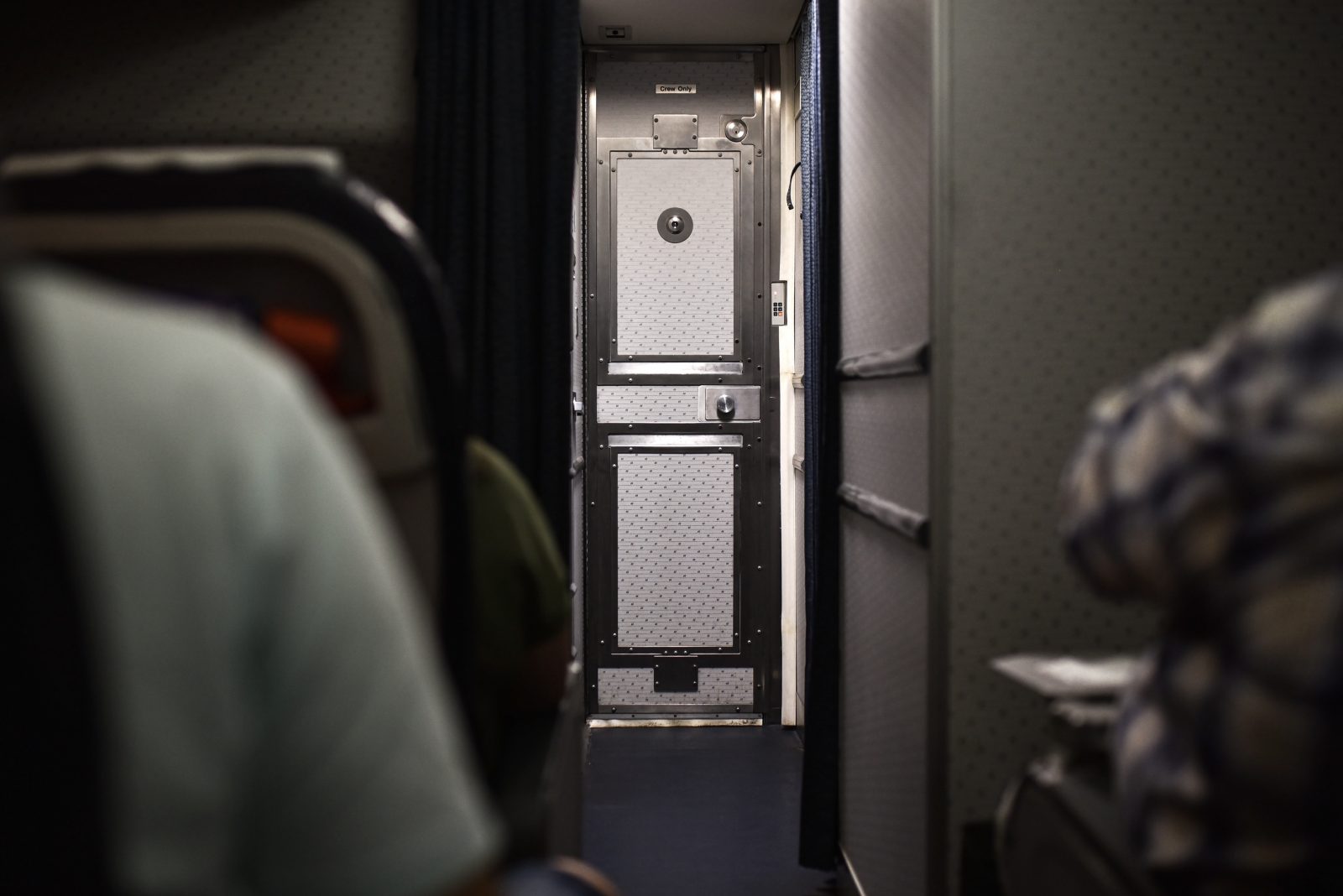
Pilots have warned that he safety of the US traveling public is being put at risk after the Federal Aviation Administration (FAA) approved a request from airlines to delay the rollout of a second cockpit door on newly built airplanes for one year.
What is a Secondary Cockpit Barrier?
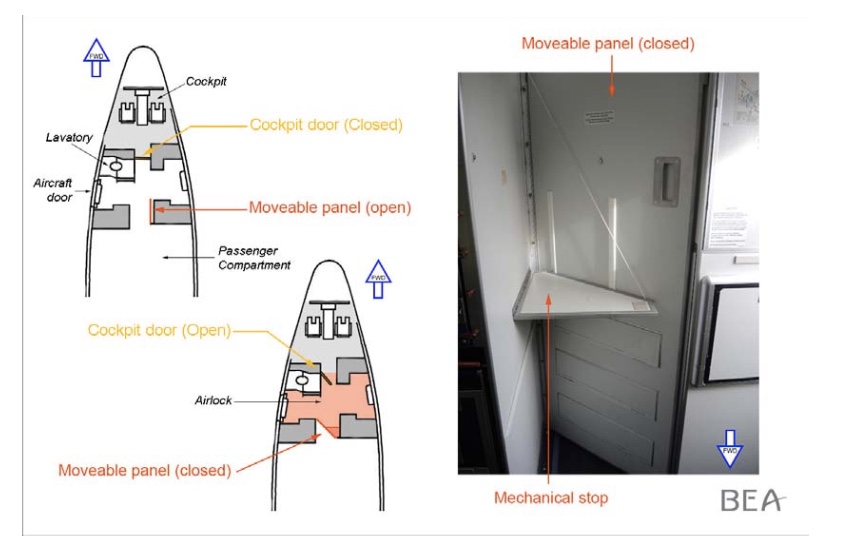
Technically known as an ‘Installed Physical Secondary Barrier’ or IPSB for short, the second door sits between the forward galley and the primary bulletproof cockpit door.
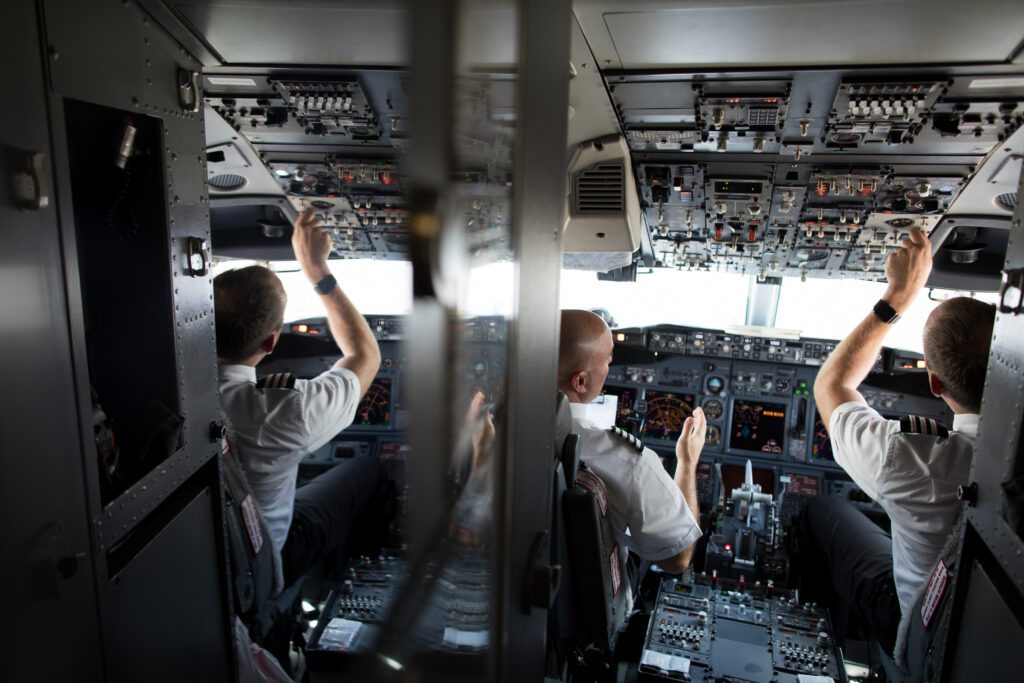
The IPSB is designed for use whenever pilots need to open the primary cockpit door in-flight, such as when they need to use the bathroom or simply to make a cup of coffee.
Instead of using service carts to block access to the cockpit as many US airlines currently do, the IPSB would be closed and locked for the short amount of time that the primary cockpit door has to be open.
The IPSB is not bullet or bomb proof and is a relatively lightweight device that is only designed to hold back an intruder for the few seconds that the cockpit door is open.
Rulemaking That Has Been Years In The Making
Aviation workers have been calling for IPSBs ever since the 9/11 terror attack, but it wasn’t until 2018 that lawmakers approved the mandatory deployment of these devices in an FAA Authorization Act.
The necessary rule to make IPSBs a reality was, however, kicked into the long grass until 2023, when the FAA ordered airlines to have IPSBs installed on newly delivered aircraft within two years.
With the deadline fast approaching, however, a major lobby group representing all of the biggest airlines in the United States demanded a two-year extension, saying it would take this long to train pilots and flight attendants on how to use IPSBs.

Airlines Feared Hundreds Of New Airplanes Would Be Grounded
While IPSBs are set to be installed on airplanes by the original August 2025 deadline, airlines would rather the IPSBs were left idle until 2027 at the earliest.
The issue, it appears, is that while several companies that supply the aerospace industry have designed and built IPSBs, in preparation for the deadline, the FAA was late in approving these devices.
As late as May 2025, the FAA had yet to certify any IPSB, and, as a result, airlines hadn’t been able to prepare any manuals or training materials for these new devices.
From August 25, 2025, US airlines are expected to start collectively taking delivery of nearly 33 new aircraft per month with IPSBs installed, and tens of thousands of aircrew will require training on these devices.
Without an exemption, however, US airlines warned that all of these new airplanes would have to be indefinitely grounded until all their pilots and flight attendants had been trained—a process they fear could take many months.
FAA Partially Approves Controversial Extension
Earlier this week, the FAA partially agreed with the airline industry, granting an exemption for an additional year.
The FAA’s Air Transportation Division believes this will give airlines more than enough time to complete the required training based on an estimated timeline that envisions it taking four months to develop the required computer-based training, an additional month for regulators to review and approve the training, and two further months for crew members to complete the training module.
The Association of Flight Attendants (AFA-CWA), which represents around 85,000 crew members across the United States, would also like to see crew members receive hands-on training, although this does not appear to have been factored into the FAA’s calculations.
The Training Roadmap
The FAA believes it will take US airlines around seven months to train aircrew on how to use IPSBs through a new computer-based training program:
- Four months to develop the training package
- One month to get the training package reviewed and approved
- Three months to get all pilots and flight attendants to complete the training package
Pilots Union Blasts FAA Over Decision
Responding to the one-year extension, Capt. Jason Ambrosi, president of the Air Line Pilots Association (ALPA), slammed the FAA, saying: “The FAA’s decision to grant airlines yet another delay on the secondary barrier rule is deeply disappointing and undermines our nation’s aviation security.”
“While we acknowledge this ruling falls short of the unacceptable delay requested by Airlines for America, this extension still compromises the safety and security of our skies.”
Ambrosi was also highly critical of US airlines, saying they were “shirking their responsibility to implement this critical security measure.”
While this rulemaking requires newly built airplanes to have IPSBs installed, there is no such requirement for IPSBs to be retrofitted onto older aircraft. That’s not to say that airlines can’t install IPSBs onto airplanes that are already in their fleets, but the likelihood of this happening is very slim
Do you think this is an acceptable delay? Let me know your thoughts in the comments below…


What incidents have occurred when this secondary barrier would have prevented anything?
Any pilot who says not having a second door is a greater risk than having a second door should be disqualified from flying. We have seen how pilots have flown planes into the ground or flipped switches on purpose. The cockpit door should open after 30 seconds of trying to gain entry. Nowadays passengers would not let what happened in September happen. I don’t see why we should trust one or two men . If we can’t trust 150-400 passengers, we certainly can’t trust two people.