



Transatlantic Delta Air Flight Makes Emergency Diversion After Hitting Extreme Turbulence Over Midwest

- Delta Air Lines says 25 passengers and crew had to be transported to the hospital after a transatlantic flight from Salt Lake City to Amsterdam hit an area of turbulence over the midwest, prompting an emergency diversion to Minneapolis–Saint Paul International Airport.
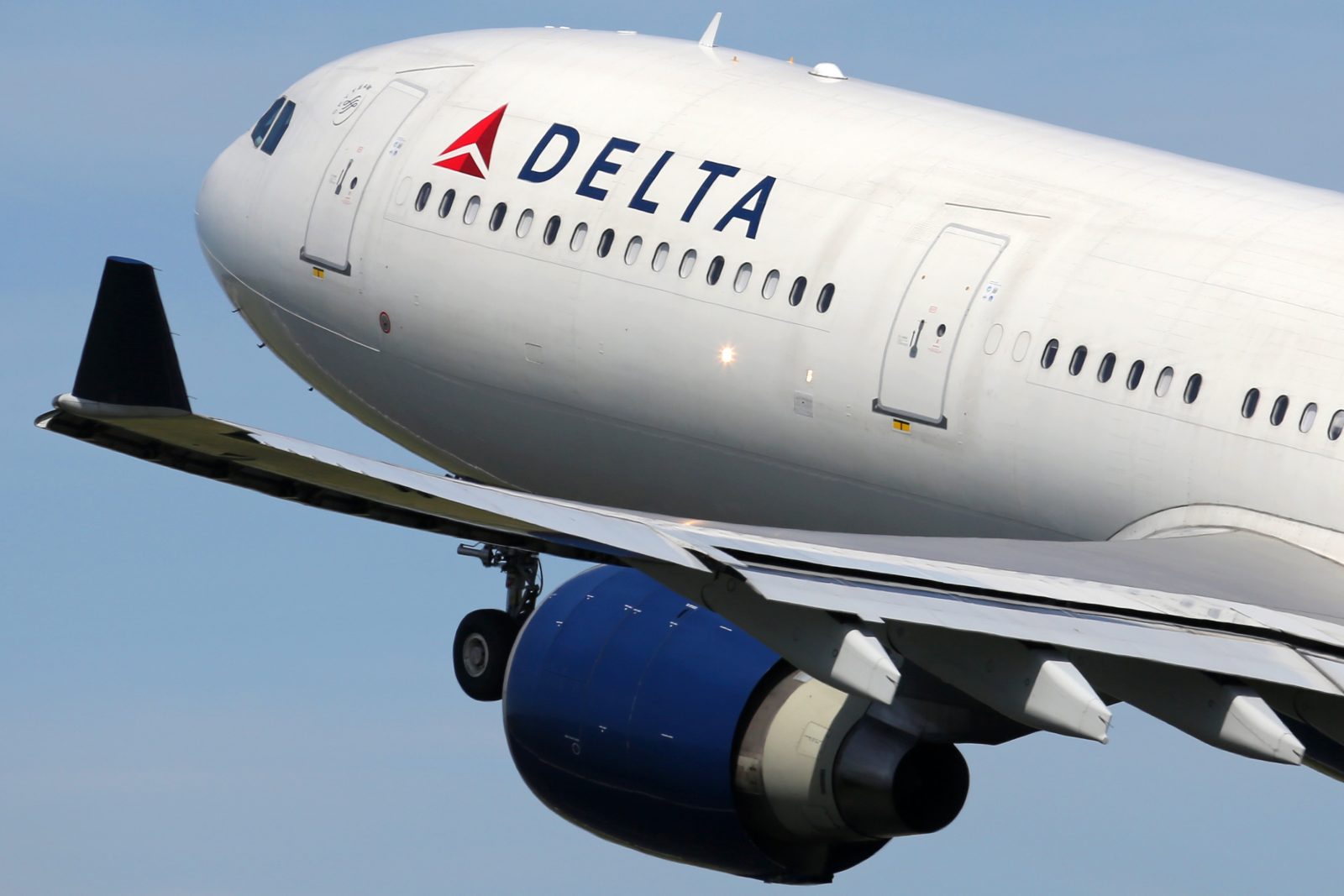
Twenty-five passengers and crew had to be taken to the hospital on Wednesday night after a transatlantic Delta Air Lines flight from Salt Lake City to Amsterdam was rocked by turbulence over the Midwest, prompting an emergency medical diversion to Minneapolis–Saint Paul International Airport.
Delta flight DL-56 departed Salt Lake City (SLC) at around 4:45 pm on July 30, but just over two hours after departure, and while flying at an altitude of 37,000 feet over South Dakota, the Airbus A330 encountered turbulence.
Medical responders and local hospitals in the Minneapolis–Saint Paul area were immediately put on alert, and ambulances rushed to MSP airport to assess passengers and crew after the pilots radioed ahead to warn of a mass casualty event.
In a statement, a spokesperson for Delta confirmed that 25 of those onboard had to be taken to the hospital for further evaluation and medical care. There were 275 passengers and 13 crew members onboard the two-year-old aircraft.
The Four Levels of Turbulence
The aviation industry grades turbulence into four levels to signal its intensity:
- Light Tubulence: Slight changes in altitude or attitude. Passengers may feel a slight strain on their seatbelts.
- Moderate Turbulence: Similar to light turbulence but more intense. Passengers will feel a definite strain against their seatbelts.
- Severe Turbulence: Large and abrupt changes in altitude and attitude. Passengers will be forced violently against their seatbelts.
- Extreme Turbulence: The airplane is tossed violently about. Anything that isn’t strapped down will be thrown around.
“Delta flight DL56 – flying from Salt Lake City to Amsterdam – diverted to Minneapolis-Saint Paul International Airport on Wednesday after the flight encountered significant turbulence while en route,” the airline said in a statement.
“The aircraft, an Airbus A330-900, landed safely at MSP, and medical personnel met the flight upon arrival to evaluate customers and crew. Twenty-five of those on board were transported to local hospitals for evaluation and care. We are grateful for the support of all emergency responders involved.”
A Delta spokesperson added: “Safety is our No. 1 value at Delta, and our Delta Care Team is working directly with customers to support their immediate needs.”
One of the passengers onboard the plane said they had “Never experienced anything like this.”
“It was a mess,” the passenger continued. “I was luckily wearing my seatbelt tightly, but the flight attendants and some passengers were flying.”
At the time of the incident, the National Weather Service (NWS) had warned of the risk of chop over South Dakota, but there were no severe weather advisories issued for the part of the state that Flight 56 was flying over.
Pilots have a variety of tools at their disposal to manage the risk of turbulence, including weather maps, onboard radar, and live reports from other planes flying ahead of them.
These methods have, however, only been partially effective in helping pilots avoid areas of turbulence, especially clear air turbulence that doesn’t show up on a weather map or radar.
The International Air Transport Association (IATA) has designed a relatively new platform called Turbulence Aware, which records live, anonymized turbulence data from participating member airlines and then sends this information to pilots and airline control rooms in real-time.
Delta has been a long-time supporter of the Turbulence Aware platform, helping its in-house team of nearly 30 meteorologists identify possible weather events and turbulence hazards to plan better flight paths for pilots.
Despite all of these tools and reams of data, it’s still not possible to identify and avoid all turbulence events, especially in areas such as the Midwest, where turbulence has gotten worse over the last few years.
While the cause of worsening turbulence over parts of the United States is open to debate, more airlines are taking additional measures to protect passengers and crew.
Late last year, Southwest Airlines ordered flight attendants to end cabin service and secure the cabin earlier than ever before over rising turbulence fears.
Southwest Airlines flight attendants had previously started to secure the cabin and then strap themselves into their jumpseats at just 10,000 feet, but the updated procedure requires crew members to begin securing the cabin at the higher altitude of 18,000 feet.
This is because the majority of turbulence events occur during the descent phase of flight.
According to the Federal Aviation Administration (FAA), 20 flight attendants suffered serious turbulence-related injuries in 2024, while three passengers suffered serious injuries such as broken bones, severe hemorrhages, or other injuries that required at least two days in the hospital.
Flight attendants are more likely to be injured because they are conducting service or securing the cabin when turbulence strikes.