



‘Little Hope’ for Quick Deal as United Flight Attendants Face Months-Long Contract Stalemate

- After tens of thousands of flight attendants at United Airlines rejected a tentative labor contract last month, they are now learning how long it might take before new bargaining sessions get underway. It will be a months-long wait with negotiations not expected to resume until December 2025.
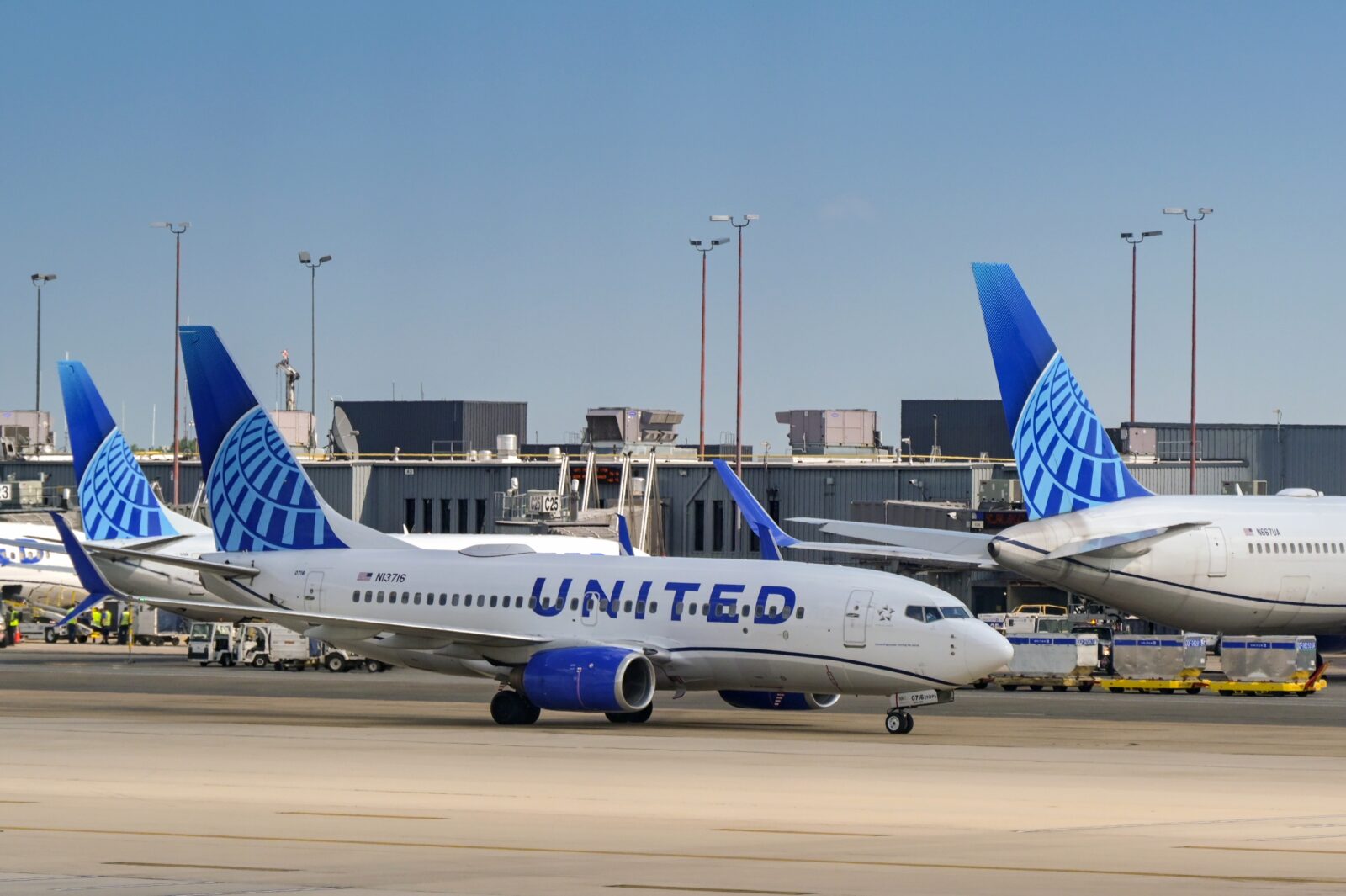
There’s now little hope that a quick deal between United Airlines and its massive workforce of more than 26,000 flight attendants can be brokered after a tentative labor agreement was resoundingly rejected last month.
On Friday, the Association of Flight Attendants (AFA-CWA) revealed that it had been working with a federal mediator to arrange new bargaining sessions with the Chicago-based carrier, and the timeline doesn’t look promising.
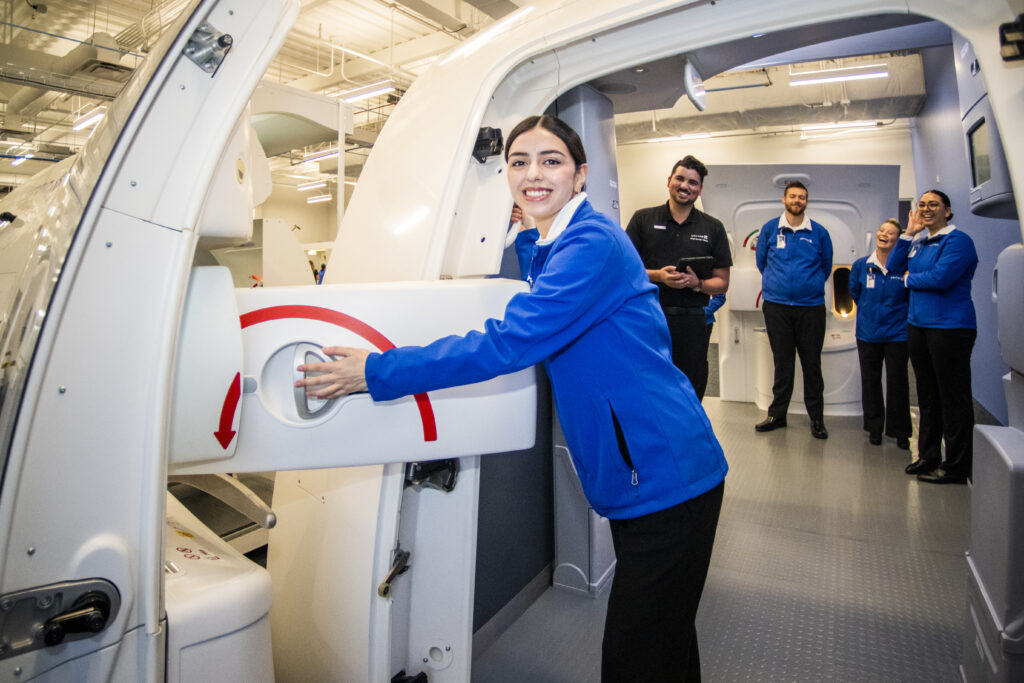
Negotiations are not expected to resume until December 9, 2025, at the earliest, and the federal mediator has already penciled in five bargaining sessions, stretching all the way through to the end of March 2026.
United’s flight attendants have been without a new contract for four years after the last one became amendable in August 2021, meaning that crew members have gone without a pay raise since that time, despite the cost of living soaring during the same period.
In June, however, the union announced that it had finally reached a landmark deal with United, which boasted an immediate average pay raise of 26.9%.
New hire crew members were set to see their hourly wages hiked from $28.88 per hour to $36.92, while long-serving flight attendants would have seen their hourly wage rise to as much as $84.78.
United had even set aside $561 million in its Q2 financial reporting period to pay flight attendants a ‘retro bonus’ averaging $21,500 per crew member (although some senior crew members would have enjoyed one-off payments of $50,000 or more).
The retro bonus was a payment to cover the years that flight attendants had gone without a pay raise, but it was dependent on crew members voting in favor of the new agreement.
Late last month, however, AFA admitted that its best efforts to get its members to accept the deal had failed. The official ballot result revealed that, with 92% of eligible crew members who took part in the ballot, 71% voted to reject the contract.
The union is still trying to work out what failed in the tentative agreement, surveying its members to find out their most pressing concerns, although once those results are in, it’s not simply a case of going to the airline and asking for improvements in those areas.
The union and United have been bargaining through a federal mediator, and negotiation sessions are dependent on when that mediator is available.
Thankfully, major contract renewals at other airlines have been wrapped up, but there will still be a significant delay in getting the two sides together.
The first bargaining session is expected to kick off on December 9 in Chicago and will last for four days, with further bargaining sessions already in the diary for January, February, and March 2026.
The rejected tentative agreement had been expected to add $6 billion in value over the course of the five-year deal, and flight attendants have already been warned that going back to the bargaining table is unlikely to raise that figure much higher… if at all.
Instead, it may be a case of taking something from one part of the contract to improve another that flight attendants believe is more important.
Matt’s Take
Rejecting the first tentative agreement has almost become a standard tactic in airline contract negotiations, although I really got the sense that the AFA didn’t want to play this game on this occasion.
The union is, no doubt, all too painfully aware that the political landscape has changed massively since other carriers, like American Airlines, signed new contracts with their flight attendants.
Even during the Biden administration, the threat of strike action wasn’t something that airlines took too seriously, but now, the chances of a strike being authorized are even more unlikely.
That, of course, reduces the leverage that unions can wield at the bargaining table.


The average working United Flight Attendant does not seem to understand that going back to the bargaining table does not mean they’ll even get what was proposed the first time around. It’s all a negotiation and the company can propose worsening some existing items to change others. This won’t be fast and under the current political climate, the AFA doesn’t hold the easy winning hand.