



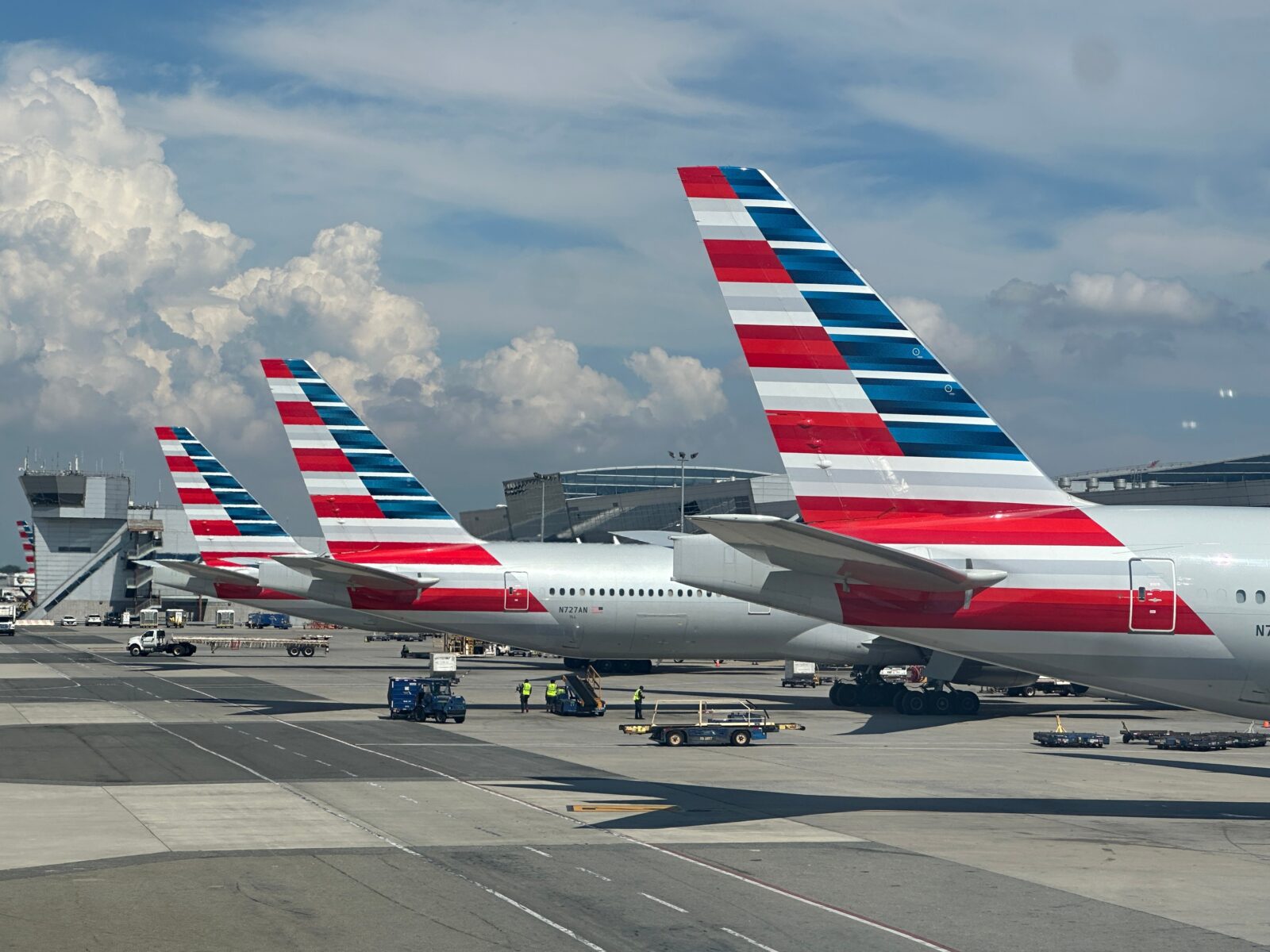
A few months ago, American Airlines warned its flight attendants that it was onto them over a money-making scheme in which veteran crew members sell covetable international trips to junior coworkers who wouldn’t otherwise be able to score these kinds of premium destinations.
At the time, American Airlines threatened to discipline any flight attendant caught ‘dropping’ a trip they had bid for in exchange for cash or gifts. The airline has now followed through with that threat, terminating at least one crew and provoking a strong backlash from the flight attendant union.
How American Airlines’ Trip Bidding System Rewards Veteran Flight Attendants
Like every other major airline in the United States, flight attendants at American Airlines have a seniority-based bidding system, which gives crew members with the most years of service access to coveted trips before their more junior coworkers.
Each month, flight attendants request or ‘bid’ for the flights they want to work, along with their days off. These bids are fed into a ‘preferential bidding system’ which then assigns trips based on the needs of the airline and the availability of flight attendants.
Because seniority is baked into the preferential bidding system, flight attendants with the most years of service will have a much higher chance of securing in-demand trips.
Traditionally, the coveted trips are long-haul flights to premium international destinations like Paris, London, and Rome.
In contrast, flight attendants with little flying experience at American Airlines get much less say in what trips they will be working from one month to the next, and will often be left with the worst domestic multi-day trips or straight reserve duties.
Flight Attendants Got Around Strict Rules By Using Secret Code Words
This seniority-based bidding system has allowed a secret black market economy to develop in which long-serving flight attendants bid for desirable trips that they know they are likely to secure in the bid award, but which they have no intention of working.
Instead, they offer these trips up to other flight attendants on an internal system that allows crew members to drop and swap flights.
The swap system is meant to work by mutual agreement between flight attendants, but American Airlines discovered that some crew members may have been selling their trips via the trade board.
Because selling or buying trips is banned, however, flight attendants were allegedly using codewords like cookies, hugs, and kisses to indicate to their coworkers that they were only offering their trip in exchange for cash.
Flight attendants who are interested in buying the trip then contact the seller directly before the swap is processed.
American Airlines Warned Flight Attendants They Were Watching Them Closely
In May, American Airlines made it known that it was aware of what was going on and that it wanted it to stop immediately, telling crew members in an internal memo that “trips are assigned by the company and are not personal property… They cannot be bought, sold, or brokered.”
The memo continued: “You may not offer or accept money or other items of value – directly or through coded language – to broker, buy, sell or trade trips with other flight attendants.”
“When someone tries to inappropriately profit by picking up a trip or through selling or trading, it violates the intent and integrity of our bidding systems and our standards of business conduct.”
It was pretty clear that any flight attendant caught selling a trip could face harsh disciplinary action.
Flight Attendants Terminated For Selling Desirable Trips
It has now emerged that on Thursday, a Chicago-based crew member was terminated after he was accused of selling a trip in violation of American Airlines’ rules.
It’s understood that this might be the first termination following the airline’s crackdown on illegal trip trading, and more could follow as American Airlines sets about making an example of offenders.
Union Blasts American Airlines And Files Official Dispute
In response, however, the Association of Professional Flight Attendants (APFA) has blasted American Airlines for the harsh punishment it chose for a first-time offender.
“Discipline is meant to be progressive, giving Flight Attendants a chance to correct behavior,” the union wrote in an internal memo. “Skipping those steps, especially on a rule they just decided to enforce, is a direct violation of just cause and due process.”
“Instead of solving the real operational issues, leadership is focused on punishing how someone drops a trip,” the memo added.
“This leadership team’s priorities are wrong. They are focused on excessive discipline over supporting employees, improving the operation, or providing us the tools to provide better customer service.”
In an internal dispute filed with American Airlines, the union has demanded that the carrier cease and desist from applying blanket discipline and instead use individual review and discretion.
Interestingly, American Airlines had first suggested it would remove bidding privileges from flight attendants caught selling trips, rather than sacking them for transgressions of this policy.
Other US Airlines Do Allow Flight Attendants To Sell Trips
That heavy-handed approach is in stark contrast to some other US airlines, which either turn a blind eye to flight attendants selling trips or just don’t have a formal policy on the matter.
For example, Alaska Airlines, JetBlue, and Frontier have no official policy that prevents trip selling, while Southwest doesn’t police the use of codewords that have become such a hot topic at American Airlines.
Selling trips, however, is illegal at both Delta and United Airlines, and anyone caught doing so can be disciplined all the way up to being terminated.
United Airlines Flight Attendant Sues Over Her ‘Trips For Cash’ Termination
Earlier this year, ex-United Airlines flight attendant Anna Palova won the right to sue the carrier after she was sacked based on allegations she was operating a side hustle selling sought-after trips to junior coworkers.
United warned flight attendants in 2019 that it would sack flight attendants caught selling coveted trips, and not long after, it started working on a computer algorithm to analyze trip trades between flight attendants with the aim of spotting suspicious activity.
Anna was one of 28 flight attendants who were highlighted by this algorithm as engaging in “problematic trades” and was terminated just weeks later.
While Anna denies ever illegally trading a trip, her lawsuit is being allowed to go ahead because younger flight attendants who were also accused of selling trips were not sacked for their indiscretions.
Crew Insider: The Airline Industry Explained


It all begins with a company that can understand that happy employees can easily be passed on to the customer. There would be no need for a union if the any company put the employee’s well being and happiness up front. One airline executive said, “We are able to attract the high type of employee necessary to perform one of the most outstandingly efficient operations in the industry.” That’s because the company puts the employee’s wellbeing right behind safety. And…that airline is a the top of the airline “food chain”.
I worked at a company where their “union busting” philosophy was to treat the employees well and fairly, and compensate them properly for their work. I’ll bet it cost them less than all the lawyers fees and hours of meetings. The other side effect was a happy workforce and that translated to a happy clientele.