



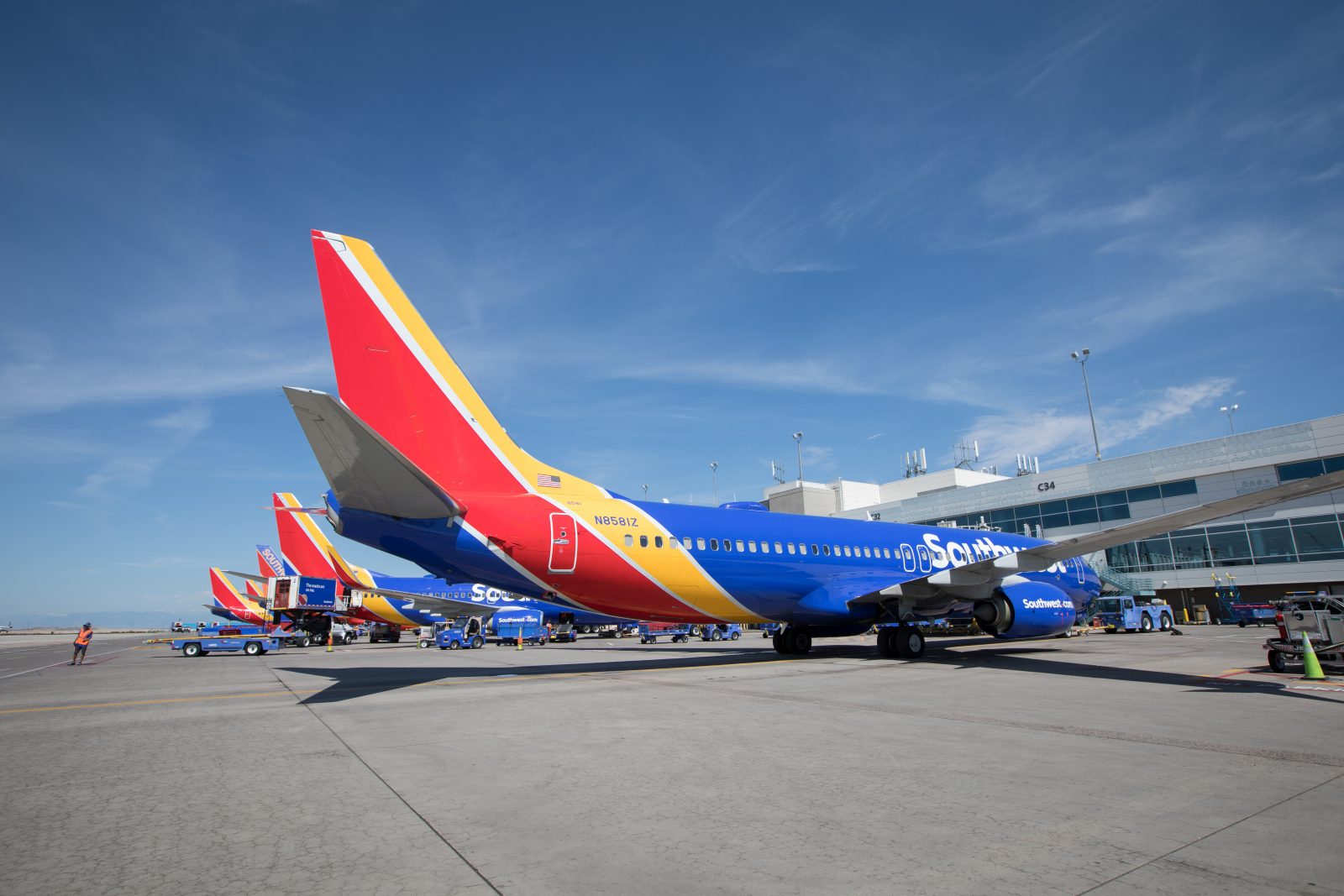
Southwest Airlines is facing a class action lawsuit in a Washington state district court over marketing emails that threatened ‘fake’ deadlines for sales and other promotions, which induced fear amongst passengers, only for the deadline to be extended.
Karleasa Mitchell from King County, Washington, has grown so tired of the constant marketing emails from Southwest that she is now suing the airline for “illegally sending false and misleading emails.”
The lawsuit relies on a consumer protection law in Washington called the
Commercial Electronic Mail Act, or CEMA for short. CEMA bans companies from sending emails to Washington state residents that contain false or misleading information in the subject line.
Karleasa is convinced that when Southwest sends these marketing messages, it already knows that the sale or promotion isn’t going to end on the original date and that an extension is all part of creating urgency in its marketing strategy.
The 15-page complaint against Southwest uses one example of a marketing campaign that the airline sent to consumers in February.
The first email was sent on February 18, 2025, offering passengers the opportunity to earn a promotional Companion Pass – but only if they acted quickly, as the promotion was set to end on February 20 (or so the email claimed).
Kaleasa received a second email on February 20, warning her that this was the ‘LAST DAY’ to earn the promotional Companion Pass. The very next day, however, Southwest sent a third email saying the promotion had been extended.
Of course, Kaleasa could simply hit the unsubscribe button and stop receiving emails from Southwest altogether, but she points out that doing so isn’t the point of her legal action.
“Plaintiff [Kaleasa] does not want to receive emails with false and misleading subject lines from Defendant [Southwest], though she would like to continue receiving truthful information from Defendant regarding its products,” the complaint explains.
“However, due to Defendant’s conduct, Plaintiff cannot tell based on Defendant’s email subject lines, many of which are false or misleading, which of Defendant’s emails she actually wants to open.”
The class action suit would cover anyone living in Washington state who has received misleading emails from Southwest.
The complaint continued: “Defendant sends these emails with false and misleading subject lines to create the illusion of a good deal and impart a sense of urgency and induce fear in consumers that they might miss out on that good deal, spurring consumers to make purchases in a hurry and thereby increasing Defendant’s sales revenue.”
Southwest is yet to respond to the lawsuit.
CEMA was previously used in a class action lawsuit against Old Navy over limited-time offer emails, only for the offers to extend for days or sometimes weeks after the advertised deadline.
The case ended up in Washington’s Supreme Court, which ruled that CEMA did, indeed, ban companies from sending emails with any false or misleading information in the subject line.
Old Navy denied it was advertising fake promotional deadlines, but the retailer’s lawyers argued in court that CEMA only prohibited false or misleading subject lines that concealed that an email was commercial in nature.
The argument was based on a federal court’s interpretation of CEMA, but in a 5-4 majority ruling, the Washington Supreme Court justices chose not to accept the federal interpretation.
The class action lawsuit is seeking $500 per CEMA violation for each class action member.


I’m curious if southwest even bothered to re-file fares or already had the fares set to expire later, in the GDS systems. I’m glad someone is going after this kind of false advertising.