



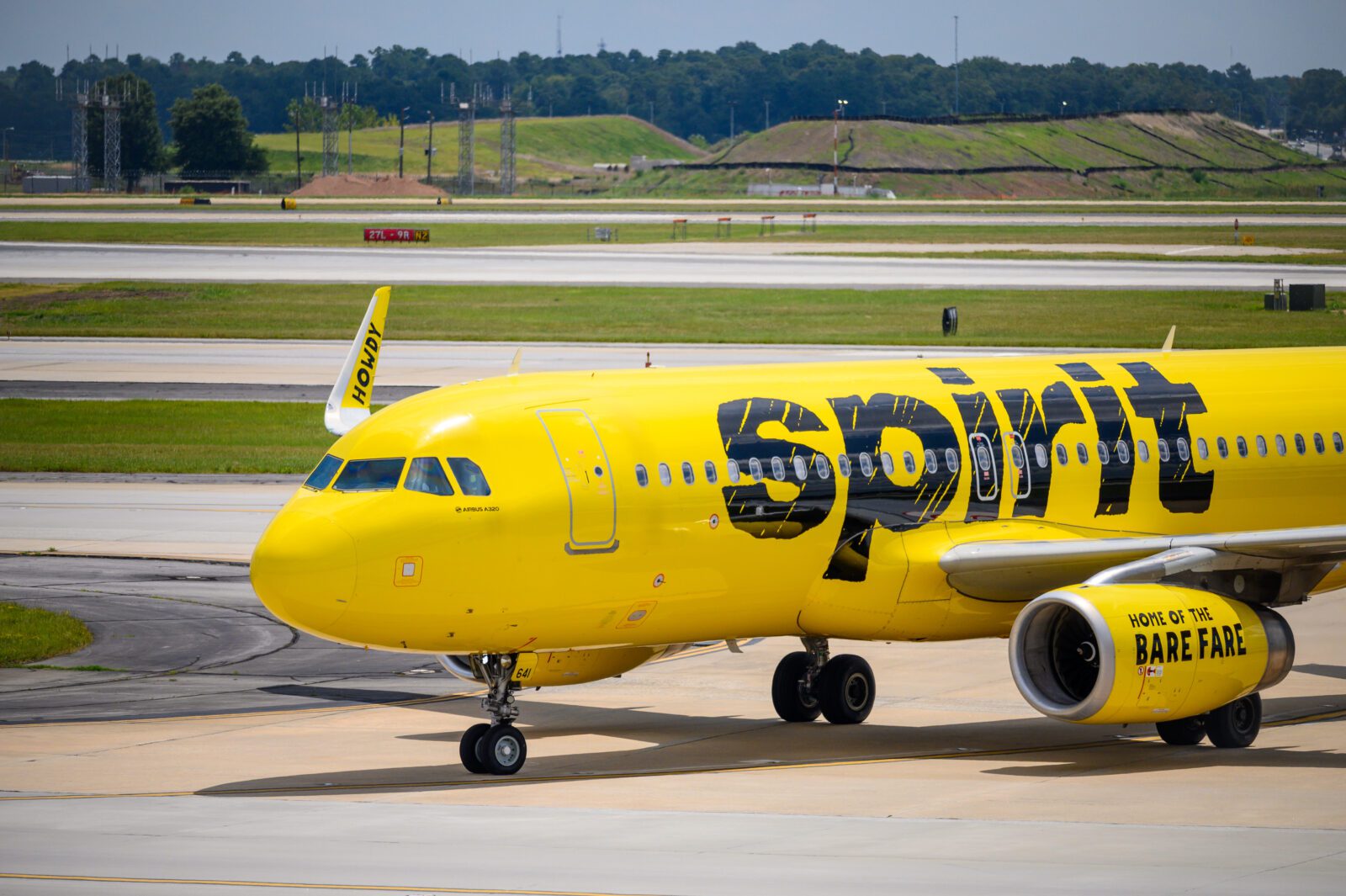
United Airlines has started a nasty spat with ultra-low-cost rival Spirit after announcing a slew of new routes ‘just in case Spirit goes bankrupt.’ The announcement comes just days after Spirit announced it was entering Chapter 11 bankruptcy protection for the second time in less than a year.
The otherwise routine announcement from United that it was launching six new routes and adding additional flights on a slew of existing routes on Thursday was accompanied by an interesting quote from United’s senior vice president of Global Network Planning and Alliances, Patrick Quayle.
“If Spirit suddenly goes out of business, it will be incredibly disruptive, so we’re adding these flights to give their customers other options if they want or need them,” Quayle commented, making it crystal clear why United was adding these routes to its network.
United will now head-to-head with Spirit in more markets, taking on the budget carrier on more routes in 15 cities from January 6, 2026:
New Routes
- From Newark, United is launching flights to Columbia, South Carolina, and Chattanooga, Tennessee.
Additional domestic frequencies
- From Houston, United will add one additional daily flight to Orlando, Las Vegas, New Orleans, Atlanta, Baltimore, and Miami.
- From Chicago, United will add one additional daily flight to Orlando, Fort Lauderdale, New Orleans, and Las Vegas.
- From Newark, United will add one additional daily flight to Orlando and Fort Lauderdale.
- From Los Angeles, United will add one additional flight to Las Vegas.
Additional international frequencies
- From Houston, United is adding three new weekly flights to Guatemala City, Guatemala, and San Salvador, El Salvador
- Also from Houston, United is adding one additional weekly flight to San Pedro Sula, Honduras.
Given Quayle’s comment, it’s no surprise that these routes will put United in direct competition with Spirit. That’s not unusual, but calling out a rival isn’t generally considered good manners.
In fact, when pressed, Spirit addressed Quayle’s comment without directly mentioning United, blasting back in a statement that stuck to normal conventions and refused to name names:
“While we appreciate the obsession certain airline executives have with us, we are focused on competing and running a great operation. Suggesting anything else is wishful thinking on the part of a high-cost airline looking to eliminate a low-cost competitor so they can fulfil their ultimate goal of charging American travelers the highest fares possible to visit the people and places they love.”
The statement continued:
“Spirit is responsible for making low fares available to consumers for more than 30 years, whether they fly with us or not. We have every expectation to continue doing so for many years to come.”
The Florida-based budget airline has a good point – its presence in many markets has suppressed fares across the board, as traditional full-service carriers like United have created new products, such as Basic Economy, to effectively compete against budget carriers.
Spirit’s ability to suppress fares was one reason why a federal judge blocked a proposed merger with JetBlue in January 2024, stating in a 113-page ruling that the merger would have harmed consumers who rely on the airline’s low fares.
That decision, however, had the unexpected effect of pushing Spirit into a dire financial situation. Last Friday, Spirit filed for Chapter 11 bankruptcy protection, just five months after exiting the same process in a pre-packaged deal to lock in additional funding.
This time around, Spirit plans a “comprehensive restructuring” that will see Spirit exit underperforming routes, sell off spare aircraft, and give up airport gates to rival airlines.
On Wednesday, a New York bankruptcy court granted Spirit permission to continue operating as normal during the Chapter 11 process, giving passengers some confidence that they can continue booking tickets (for the time being, at least).
While Spirit talks up a future as an independent airline, there remains talk that fellow budget carrier Frontier could make yet another bid to acquire its rival. Indigo Partners is an American private equity firm that has a controlling stake in Frontier and several other budget carriers in Latin America and Europe, so taking a stake in Spirit could, potentially, make sense.