



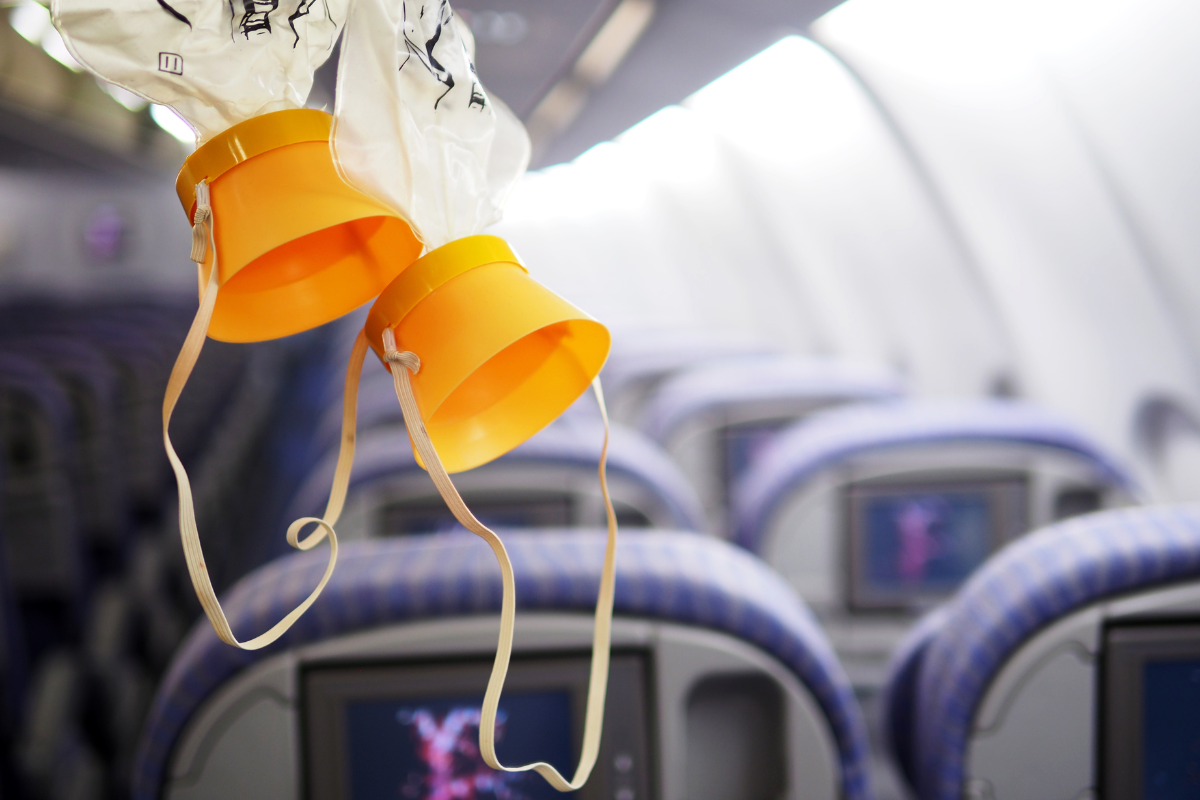
The Federal Aviation Administration (FAA) will issue a final rule requiring airlines to inspect more than one hundred Boeing 787 Dreamliners because some of the oxygen masks could be faulty and might not work in the event of a depressurization.
A preview of the unpublished rule explains that 119 Dreamliners belonging to US airlines will need to be inspected because the oxygen supply tubing for the masks could be kinked, creating what the FAA describes as an ‘unsafe condition’ that could lead to passenger injury.
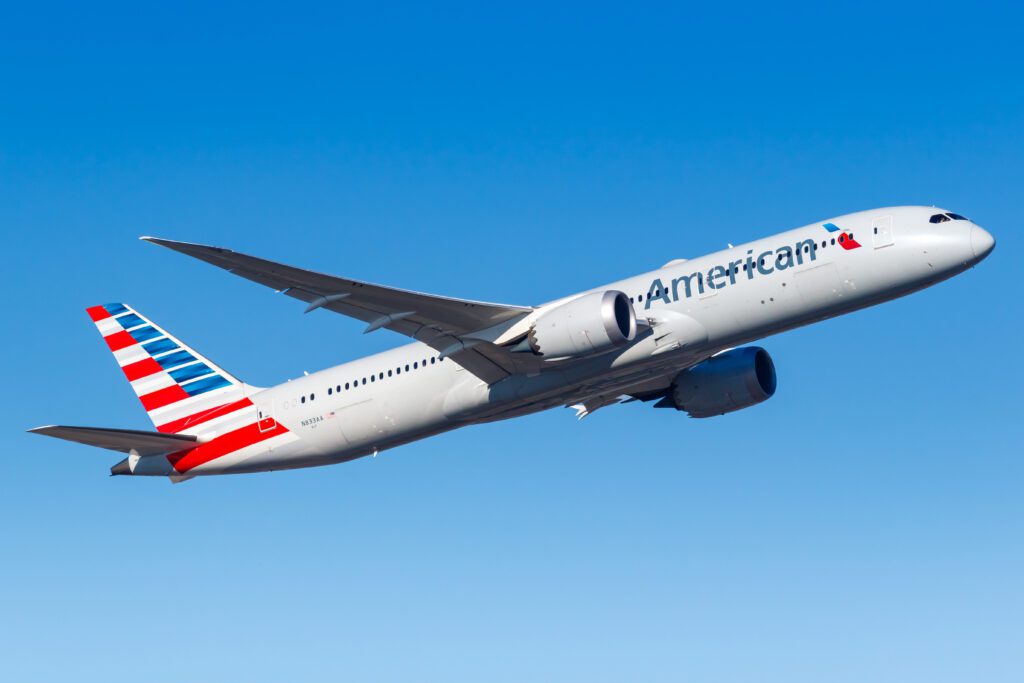
Ahead of issuing this airworthiness directive, the FAA reached out to the affected airlines, as well as other interested parties, including Boeing, for comments and suggestions about how best to fix the problem.
American Airlines wanted the FAA to extend the time given to inspect its planes and fix any faulty parts to 48 months – double the amount of time that regulators had originally suggested.
The FAA rejected this request but agreed to a 36-month compliance timeframe, allowing airlines to conduct the checks and carry out any repairs without needing to ground planes outside of normal maintenance schedules.
Thankfully, only a small number of oxygen masks might be affected, as the potential for kinking in the tube has only been reported on specific masks in center seats only.
Nonetheless, engineers voiced concern that carrying out repairs as initially proposed by the FAA would prove challenging, and regulators have now given permission for airlines to simply remove the entire oxygen panel in affected units and replace it with brand new panels.
As airworthiness directives go, this should be relatively cheap for US airlines to comply with, as the FAA estimates the total cost to inspect their planes will only amount to around $252,875.
In August 2024, the FAA issued another airworthiness directive for Boeing 787s over a potentially faulty switch on the pilot seats in the cockpit that is believed to be behind the sudden nosedive of a LATAM Airlines Dreamliner flying from Sydney to Auckland last March.
More than 50 passengers were injured in the bizarre incident that occurred when the Captain was pinned against the control console, causing the plane to dramatically pitch downwards.
Investigators found that the cover of an electronic switch located at the back of the Captain’s seat that moves the seat forward and backward was damaged. When a flight attendant entered the cockpit to deliver the pilots’ meals, she accidentally leaned on the switch, and the cover jammed the rocker switch into motion.
The faulty cover was not, however, isolated to just that one Boeing 787, and this incident was quickly linked to several other ‘inadvertent pilot seat movement’ incidents.
The FAA ordered US airlines to inspect the rocker switches on all of their Boeing 787s and replace any that showed signs of damage. Unlike the oxygen mask rule, the FAA chose not to give airlines and stakeholders any time to comment as it was deemed that the situation was to urgent to wait before issuing an airworthiness directive.