



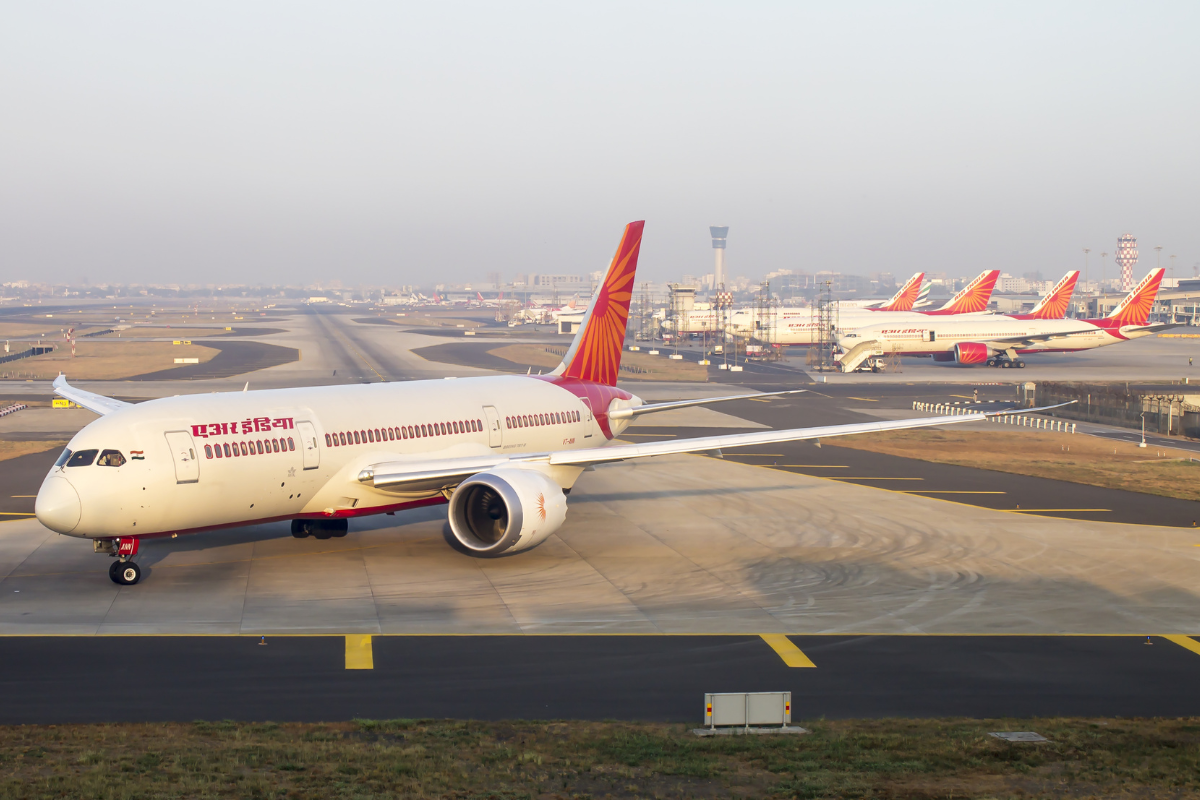
India’s largest association of pilots has called on regulators to ground all Boeing 787 Dreamliners in the country pending urgent safety checks on the plane’s electrical systems after an emergency power system was activated in the final moments of an Air India flight from Amritsar to Birmingham, England, on Sunday.
The Boeing 787-8 Dreamliner operating as flight AI-117 was on its final approach to land at Birmingham International Airport when the so-called RAT (RAM Air Turbine) deployed without warning.
The RAT is a small propeller-driven turbine that pops out of the bottom of an airplane’s fuselage in the event of a serious electrical failure to provide the aircraft with an emergency supply of power.
Given that the RAT consists of a small propeller that is driven by the airflow running along the fuselage of the plane, the power it generates is just a tiny fraction of what is normally produced by the engines or even a battery backup unit installed on the 787. It is, though, enough to keep critical operational systems in the cockpit functioning.
A RAT deployment would normally signify a major engine failure, but in the case of Air India flight AI-117, the engines were working normally.
Sunday’s flight landed without further incident, but the plane was temporarily grounded so that engineers could give the aircraft a thorough inspection. They found no issues with the engines, electrical systems, or hydraulics.
But the Federation of Indian Pilots, which represents many pilots at Air India, has called on all Boeing 787s in India to be grounded until they have undergone similar engineering checks.
Concern is heightened following the loss of an Air India Boeing 787-8, which crashed shortly after takeoff from Ahmedabad on June 12, claiming the lives of all but one of the 230 passengers and 12 crew members onboard.
A preliminary accident report released by Indian crash investigators revealed that just seconds after flight AI-171, bound for London Gatwick, took off, the two fuel cutoff switches in the cockpit were moved from RUN to CUTOFF, one after the other and in quick succession.
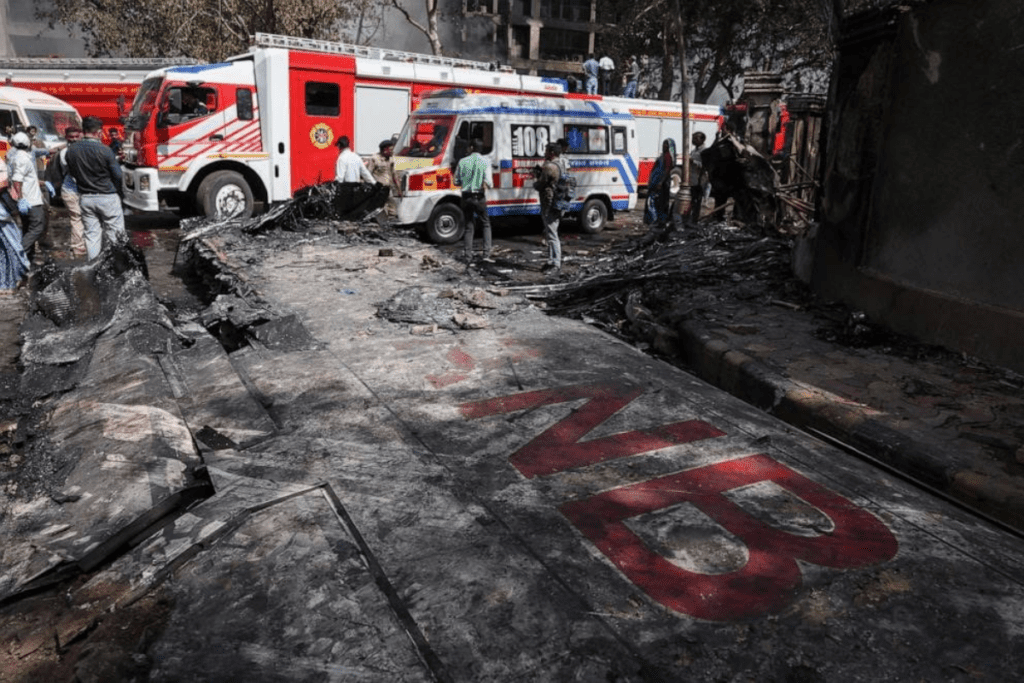
One of the pilots was heard on the cockpit voice recorder asking why the engines had been cut off, and the other replied that he had not done so. Within 10 seconds, the cutoff switches had been moved back to RUN, but by this point, it was too late, and the plane crashed into the side of a housing complex for medical staff at a local hospital.
Some airlines ordered urgent checks of the fuel engine cutoff switches on their Boeing 787 Dreamliners as a precaution, but no malfunctions were discovered. Boeing has used the same design of fuel cutoff in all of its aircraft designs for decades without incident.
Following the loss of power on flight AI-171, the RAT was also deployed.
In response to the latest incident, Captain Charanvir Singh Randhawa from the pilot’s union commented: “I have never heard of the RAT being deployed automatically without any hydraulic loss, power loss, or failures.”
The union has written to regulators asking for Boeing 787s to be grounded for engineering checks to be completed. Air India is the only airline in the country to own Boeing 787-8s, with a fleet consisting of 27 of the smaller -8 model and seven of the mid-sized -9 model.
Low-cost airline Indigo Airlines has also leased some Boeing 787 Dreamliners from Norse Atlantic to commence its first long-haul flights to Europe.