



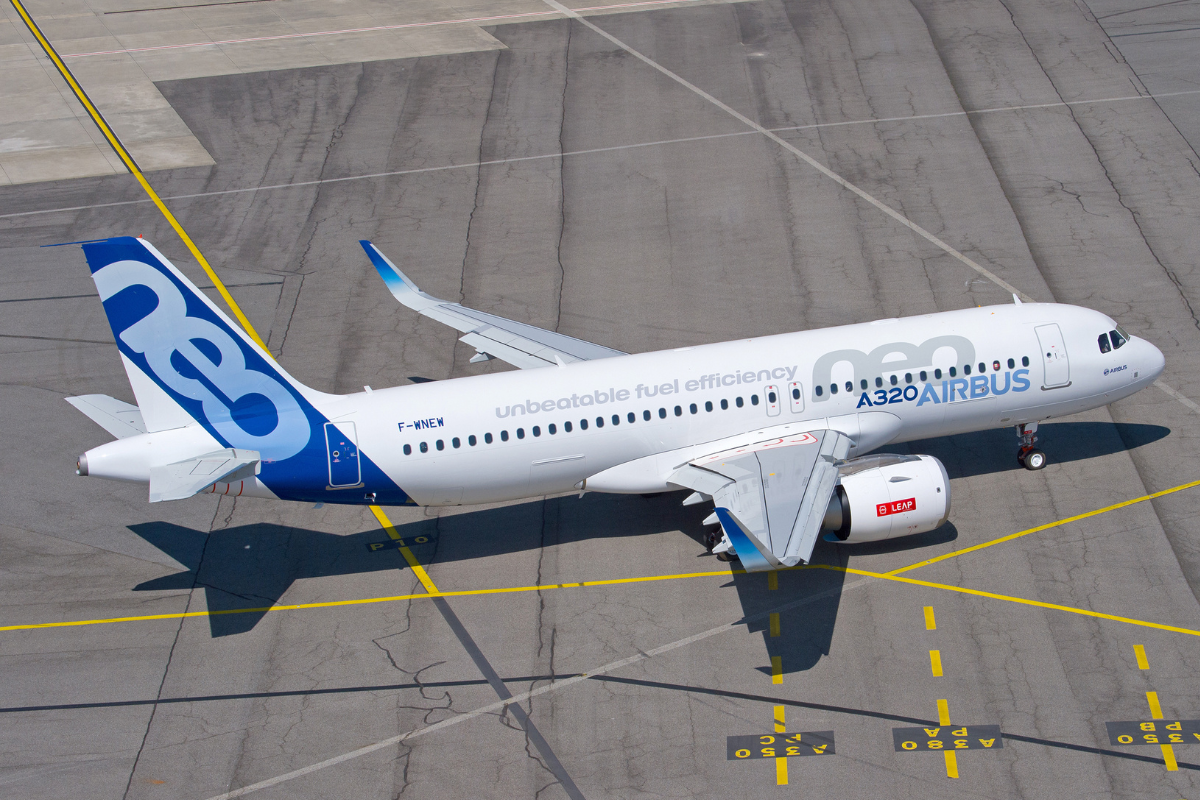
The Airbus A320 family of single-aisle aircraft has just surpassed the Boeing 737 as the most delivered jet in history. The record was broken on Monday night after the European aircraft manufacturer made its latest delivery to Saudi low-cost carrier Flynas.
Since the first A320 series aircraft entered service in 1988, Airbus has delivered 12,260 of the planes, according to aviation consultancy Cirium.

The Airbus A320 is built around one common airframe but actually consists of a number of different models. The OG is, of course, the A320, which took its maiden flight a year before being delivered to launch customer Air France.
Then followed the A321, which entered commercial service in 1994—a stretched version of the A320 with a larger passenger capacity.
If the A321 signified a larger version of the A320, then the A319 is obviously a smaller model. Airbus debuted the shortened A319 in 1995, and it entered commercial service a year later, filling a gap in the market for routes that only had limited demand.
Even smaller than the A319 was the A318, which became affectionately known as the ‘Baby Bus’. Airbus thought the A318 would be a popular choice for airlines looking to serve regional flights or high-frequency routes, but the plane proved to be a commercial disappointment.
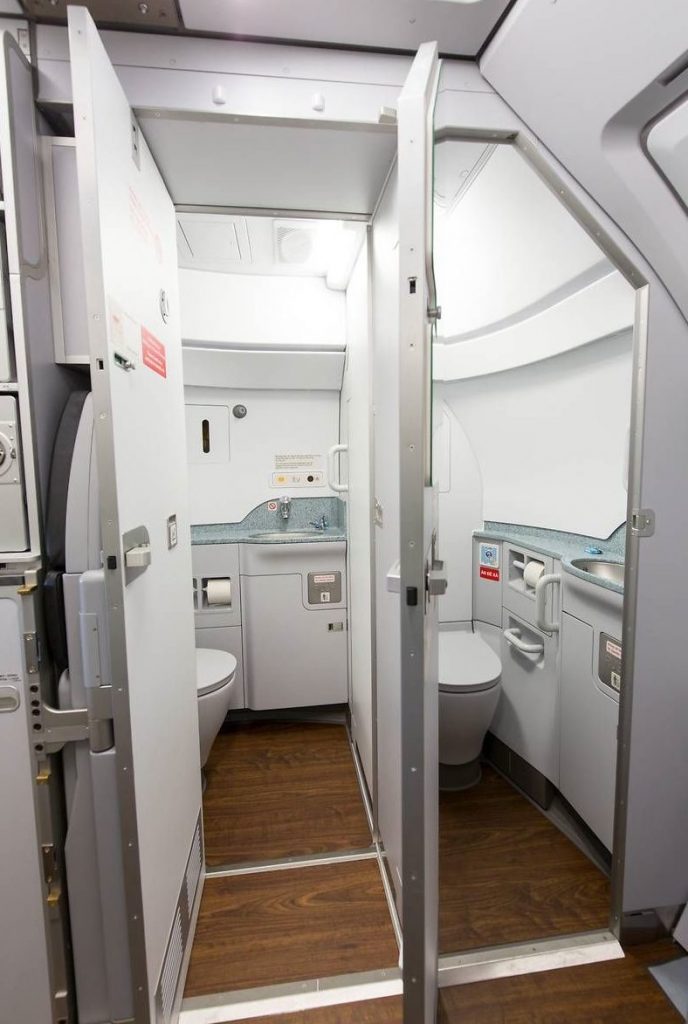
In the end, Airbus only ended up producing 80 of these aircraft. Perhaps the most famous use of the A318 was an all Business Class equipped Baby Bus that British Airways used on flights between London City Airport and New York JFK.
Although the plane had to make a short fuel stop in Shannon, it allowed passengers to use the US Customs & Border Pre-Clearance at Shannon and then land in the United States as domestic passengers.
Unfortunately, British Airways retired the aircraft at the outset of the COVID-19 and there are no plans for the route to resume.
The latest versions of the A320 series carry the post-fix ‘NEO’ which stands for ‘New Engine Option.’ Airbus launched the A320neo program in 2010, developing more fuel-efficient engines with around 15% to 20% less fuel burn than older models.

Airbus has also developed some cosmetic improvements through its ‘Airspace’ program that added supersized overhead bins, LED lighting, and other small flourishes in the cabin.
Nowadays, Airbus is firmly focused on meeting the demands of airline customers to maximise the efficiency of its A321 model, adding extra fuel tanks to its A321neo-XLR variant to allow it to operate non-stop long-haul routes.
Airbus doesn’t, however, plan to keep the A320 series of aircraft going for quite as long as Boeing. The aerospace giant has already confirmed it is working on a revolutionary new single-aisle aircraft, which could be 20% to 30% more fuel efficient than current generation aircraft.
Some ideas being considered by Airbus include dynamically folding wing tips to mimic the wings of a bird and open fan engines. If all goes to plan, the new aircraft could be introduced towards the end of the 2030s.
While Airbus has stolen the lead for now, Boeing is expected to get the green light to hike production of its 737MAX range as soon as the end of this month.
Boeing has been forced to limit 737 production on the back of increased regulatory scrutiny, but if the FAA signs off on final approvals, the manufacturer will be allowed to increase production to 42 new 737s per month.