


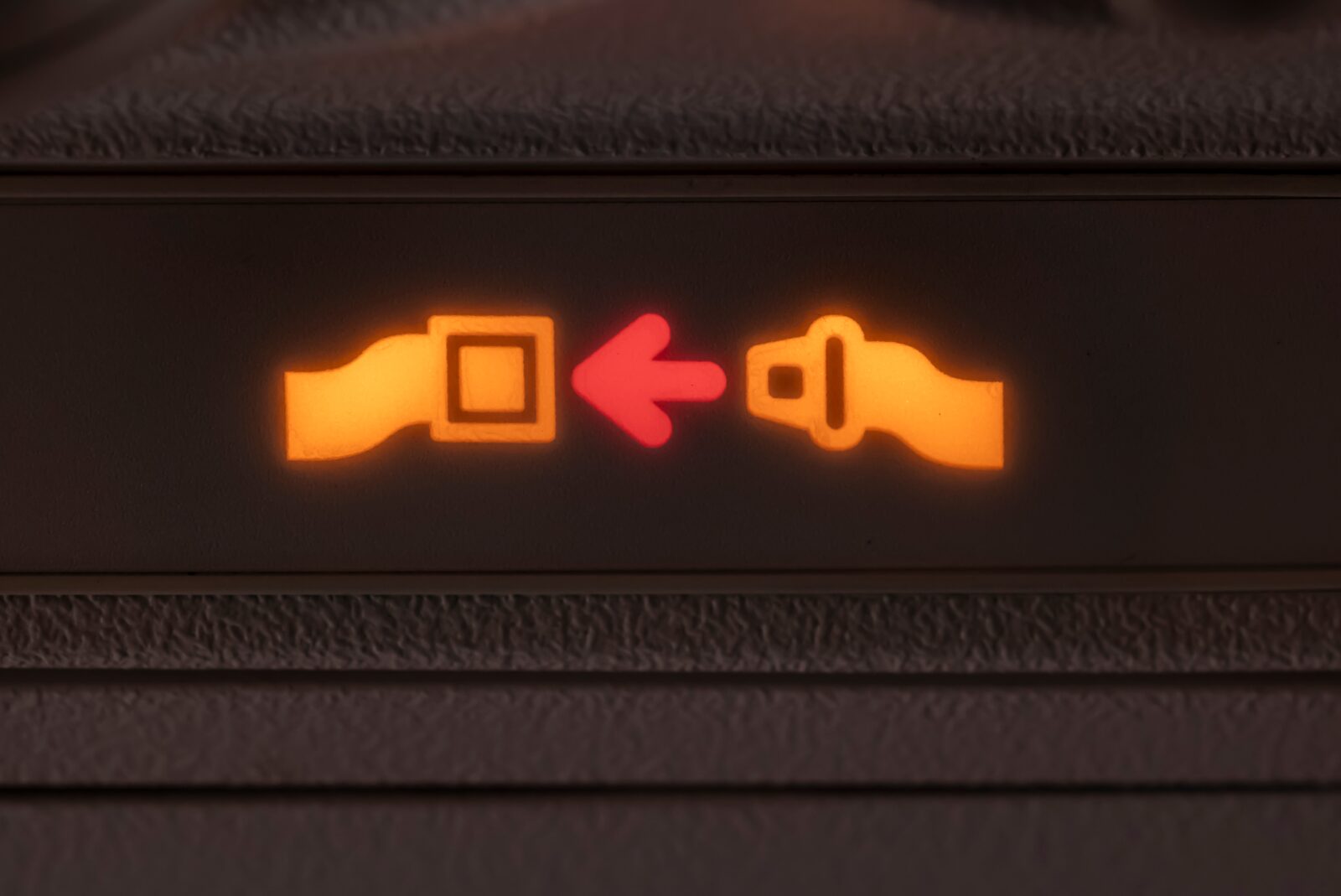
We’re all used to flight attendants imploring us to wear our seatbelts at all times… even when the seatbelt sign is switched off, airlines want us to be wearing our seatbelts, just in case unexpected turbulence strikes. But in Europe, airlines will frequently tell you not to wear your seatbelt.
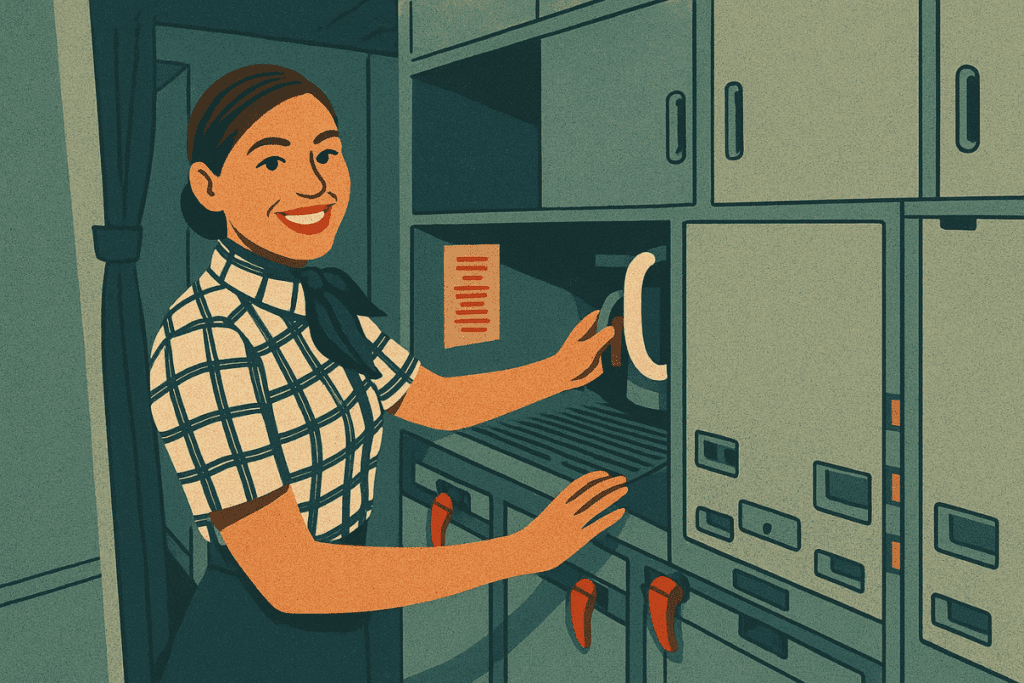
This can happen when the plane is on the ground, during what is known as the ‘turnaround’ – the process in which an airline prepares the plane for its next flight after everyone has deplaned from the previous flight.
This can be a pretty manic time as many airlines live by the long-established mantra, an airplane on the ground is an airplane not making money. The idea, especially for short-haul flights, is to make the turnaround as time-efficient as possible.
Airlines want to squeeze as many flights, or sectors, out of an airplane within an operational day as possible, and in Europe, nighttime curfews at many airports mean they don’t have a lot of time to play with.
Europe’s largest low-cost airline, Ryanair, has transformed the process into a masterpiece of efficiency, with its famous 25-minute turnaround, which includes deplaning passengers from the last sector, unloading and loading baggage, and boarding all the passengers for the next flight.
As you can imagine, that means carrying out multiple tasks at the same time, including refuelling the plane for the next flight, even as passengers are boarding the plane.
What’s different in Europe, though, is that airlines don’t want you to wear your seatbelt if refuelling is still taking place and passengers are on board the airplane.
The fairly simple but somewhat frightening explanation is that aviation regulators have decided that refuelling does pose a risk of a fire breaking out, and if that were to happen, they don’t want anyone’s escape being delayed by even a millisecond.
It’s for that reason, they don’t want passengers wearing their seatbelts during this critical time – especially before the safety demonstration, which includes showing passengers how to open their seatbelts, has been performed.
In the United States, the rules are slightly different in that seatbelts are still worn at this time, but the boarding door must remain open until refuelling has finished.
And while some airlines in the US, do also ask passengers to keep their seatbelts unfastened during refueling, this isn’t something that is mandated by the FAA.
It’s not just this safety quirk that sets US airlines apart from many of their counterparts in Europe and throughout the rest of the world.
Other Small but Surprising Airline Safety Differences
- Apart from the United States, most countries require airlines to have window shades open for taxi, takeoff, and landing so that passengers are aware of what is happening and their eyes are adjusted to the outside conditions in case of an evacuation.
- USB cables and chargers have to be unplugged for takeoff and landing on many airlines around the world because it is feared, the cables could create a trip hazard in the event of an evacuation.
- Hand luggage is also banned from overwing emergency exit rows for the same reason.
- And infants under the age of two must be secured using a special infant seatbelt, which attaches to their parents’ seatbelt (this is explicitly banned in the United States).
Crew Insider: The Airline Industry Explained