



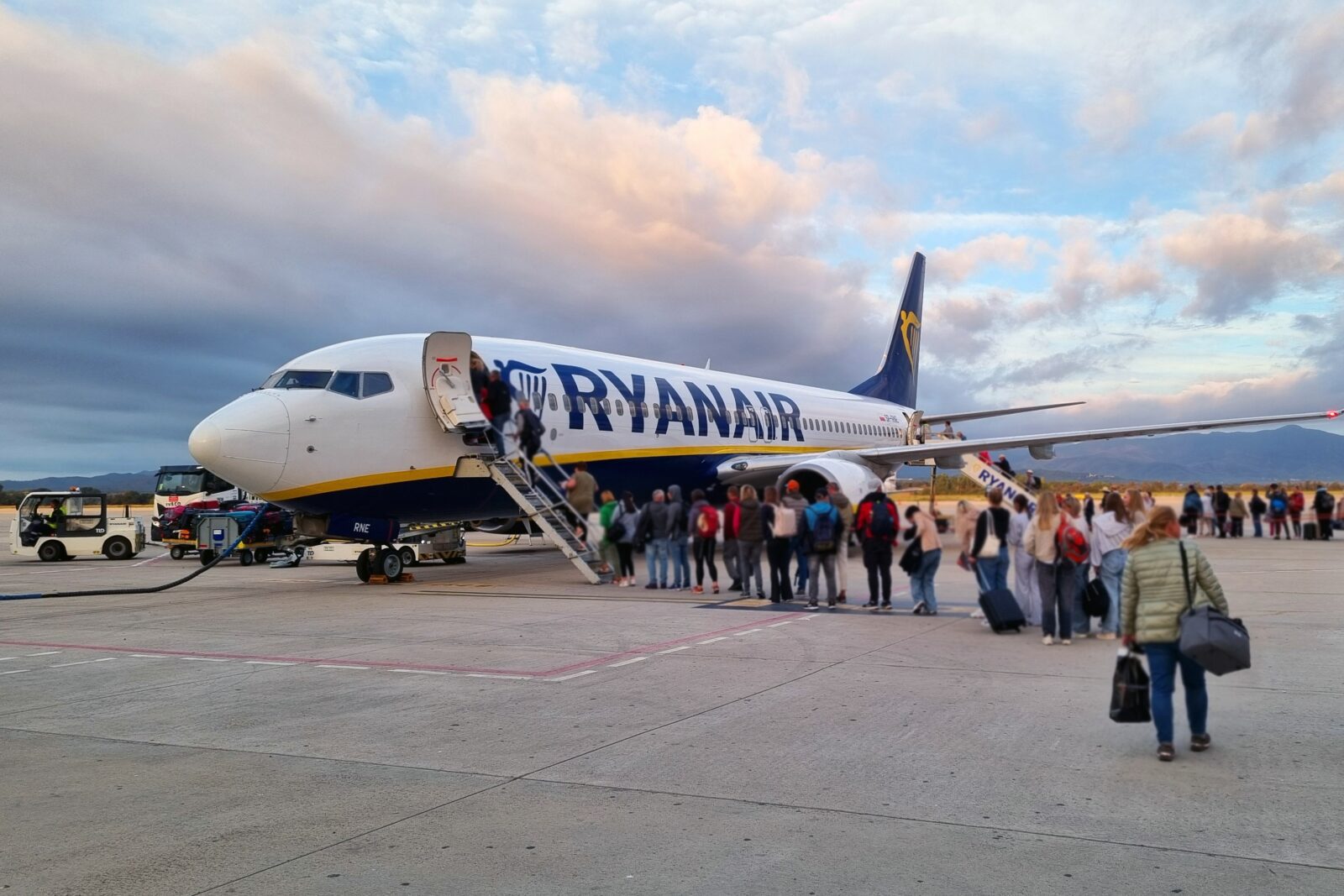
Ryanair has hailed its controversial move to ban paper boarding passes a “huge success,” saying that none of its flights have been delayed as a result of the move to digital-only boarding passes and that all passengers flew as planned.
On Wednesday, the low-cost airline consigned paper boarding to the history books, ordering passengers to download the Ryanair mobile app so that they could access a digital boarding pass ahead of their flight.
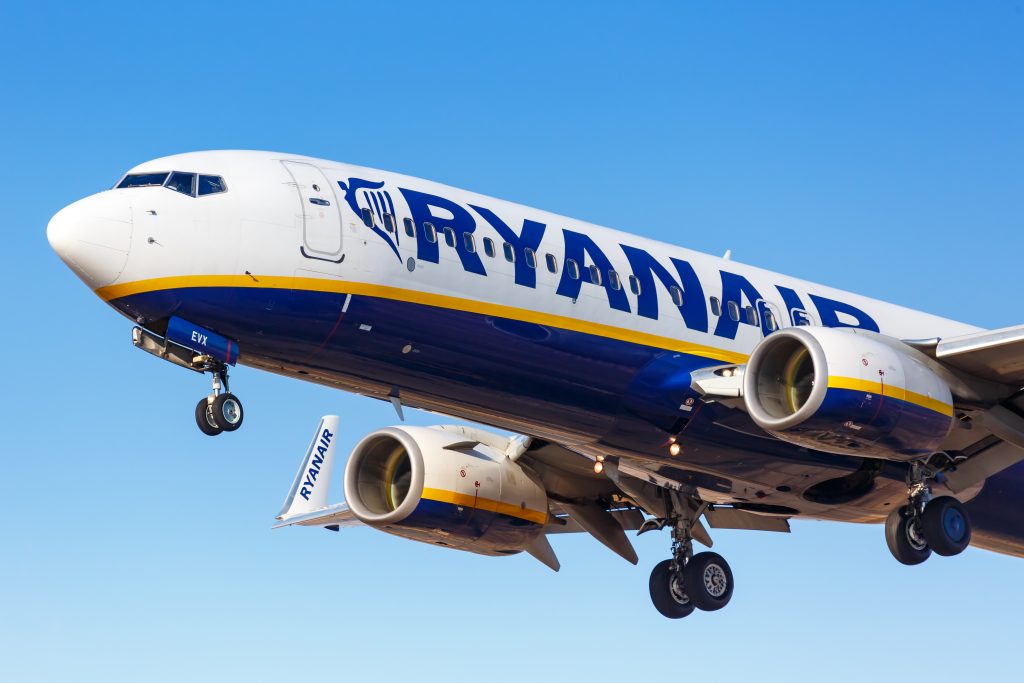
On the first day of the transition, Ryanair couldn’t have been more delighted with the results of its experiment, with the vast majority of passengers getting the memo loud and clear that paper boarding passes were no more.
As of 1 pm on November 12, 98% of passengers on more than 700 flights had the required digital boarding pass on their smartphones, while the other 2% had at least checked in online ahead of their flight.
During a transition phase, Ryanair is printing paper boarding passes at the airport for free for a small number of passengers who haven’t got a digital boarding pass but have completed the online check-in.
Ryanair also admitted that a small number of passengers experienced issues with their smartphones at the boarding gate, but they were still boarded with little delay because their personal details could be matched against the online check-in records.
Describing passenger feedback as “universally positive,” Ryanair’s chief marketing officer, Dara Brady, said “more than 100,000 passengers enjoyed the improved service and better experience of paper-free boarding at Ryanair airports.”
Brady added: “We estimate our DBP initiative will save up to €40M annually, and this will help us to lower ticket prices and make air travel more competitive for Ryanair’s customers.”
Ryanair has faced some criticism over the paper boarding pass ban, with some charities describing it as a form of digital exclusion, especially for older or vulnerable people who might not own a smartphone or have issues using technology.
The airline’s outspoken chief executive, Michael O’Leary, quickly dismissed those concerns, saying that passengers would quickly adapt to the new rules.
O’Leary noted that older people were normally the first to “jump on” a Ryanair seat sale, so if having a digital boarding pass was the only way they could fly with the airline, then they would quickly adapt.
Ryanair had, however, pushed the start date of digital-only boarding passes back by a few weeks after realizing that it had originally set the date during the busy half-term school holidays.
Instead, Ryanair is using a traditionally quieter travel period to introduce the new rules and iron out any kinks that might emerge.
Why is Ryanair introducing this initiative?
Ryanair says the move to digital-only boarding passes is mainly for environmental purposes, saving tonnes of paper and ink each year that would be used for a one-time-only use.
The airline also notes that many festivals and concerts have already moved to digital-only admissions with no issue, and that the money it saves in printing paper boarding passes can be used to lower ticket prices.
Some people, however, believe that Ryanair is also trying to compel people to download the ‘myRyanair’ smartphone app in a bid to not only drive ticket sales but also use of its in-seat ordering system.
Matt’s take
As a flight attendant, I’m always amazed to see so many passengers still using their own at-home printers to produce their boarding pass – often in color! There is, in most cases, absolutely no need.
While I get that for some people, a printed boarding pass can be a cute memento of a special flight, there’s probably less reason to want to have any memory of a Ryanair flight.