



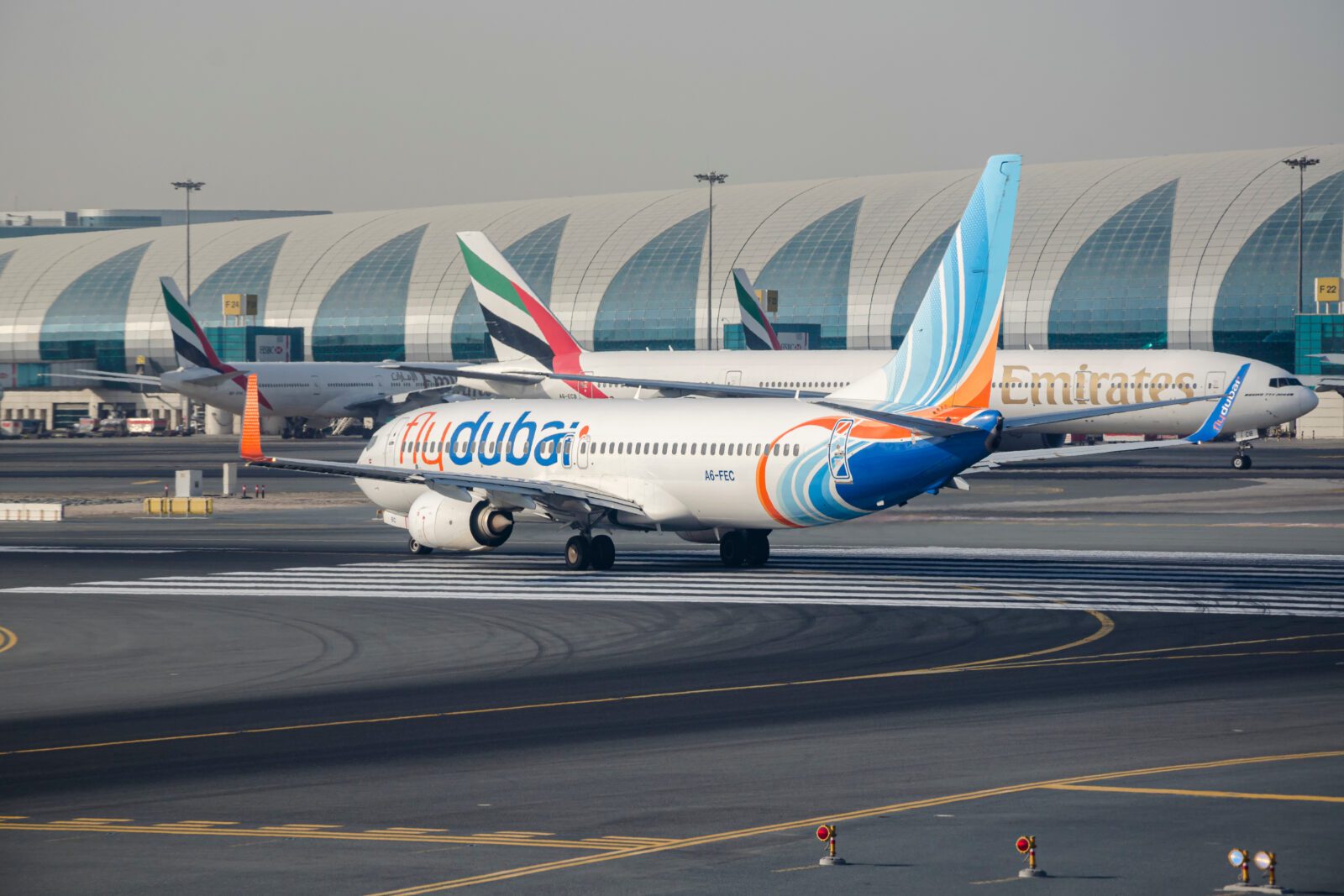
Dubai’s closest homegrown equivalent to a low-cost airline, FlyDubai, has just announced a major upset for US aerospace giant Boeing after confirming it has chosen rival Airbus for a massive fleet expansion and renewal program.
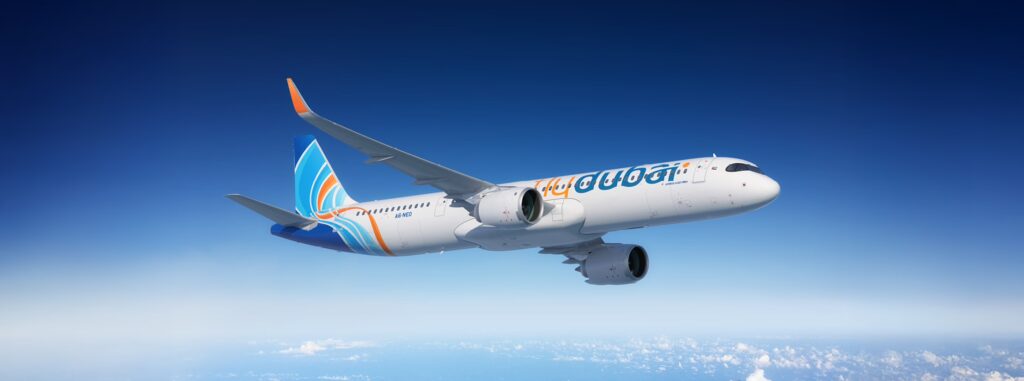
Having adopted an all-Boeing fleet strategy since its inception in 2008, FlyDubai will begin adding up to 150 Airbus A321 single-aisle jets to its fleet from 2031, chief executive Ghaith Al Ghaith announced on Tuesday at the Dubai Airshow.
Rumors of FlyDubai entering into talks with Airbus over a massive aircraft order started to emerge in July 2024, when it put Boeing on blast for failing to meet its aircraft delivery promises.
In a rare public rebuke, FlyDubai slammed Boeing for “short-notice and frequent delivery schedule revisions” that were jeopardizing the airline’s growth plans.
FlyDubai has been a loyal Boeing customer and utilises a mix of 737-800s, 737MAX-8s, and MAX-9s. But, for the past three years, Boeing has struggled to deliver the number of new planes that FlyDubai had been expecting.
On Tuesday, the consequences of those delivery delays became clear: FlyDubai has ditched Boeing for Airbus with a Memorandum of Understanding for 150 A321neo aircraft.
Given that President Trump has been using Boeing as a bargaining chip to win deals with countries around the world, Airbus would, no doubt, have had to work very hard for this deal, helping FlyDubai secure a good discount on the undisclosed list price of these planes.
There is, though, plenty of time for Airbus to be dealt an upset. The first delivery to FlyDubai isn’t expected for another six years, and Memoranda of Understanding tend to be very fickle legal documents when it comes to aircraft orders.
That being said, while FlyDubai is yet to announce what version of the Airbus A321neo it intends to order, some variants do offer better range and performance than Boeing’s best alternative 737MAX jets.
FlyDubai already plans to enter the widebody market with Boeing 787 Dreamliners that will allow it to expand into long-haul markets that were previously out of range for its current fleet.
But aircraft like the A321XLR will allow it to serve some long-haul destinations at a fraction of the price of operating a Boeing 787 Dreamliner.
Airbus wins and loses at the Dubai Airshow
Along with winning FlyDubai has a major new customer, Airbus has also cemented its relationship with Etihad Airways, just 87 miles down the road from Dubai in neighboring Abu Dhabi.
On Tuesday, Etihad Airways also announced that it had ordered 32 more widebody jets from Airbus, including more A350-1000s, A330-900s, which will be a first for the airline, and new A350F freighters.
Unlike the FlyDubai order, Etihad has entered into a fast-track agreement with Airbus, securing delivery slots from 2027 and effectively leapfrogging significant backlog timelines that have plagued the industry for years.
Unfortunately, Airbus is yet to convince mega-airline Emirates that its flagship long-haul aircraft, the A350-1000, is a worthy contender for the airline’s fleet. Emirates president, Tim Clark, has been incredibly critical of the plane, saying the aircraft’s engines are ‘defective’ and aren’t suitable for operations in the desert heat of Dubai.
Given continuing certification delays with the Boeing 777X model, it was rumored that Emirates would be forced to choose the A350-1000 as a stopgap measure. Those rumors were, however, quashed on Sunday when Emirates ordered 65 more 777-9 aircraft.
Emirates is desperate for even bigger planes for when it has to start retiring its A380 superjumbos, so the deal has effectively pushed Boeing into carrying out feasibility work into creating a stretched version of the 777X, which would be known as the 777-10.