



Qantas Bans Portable Power Banks And New International Rules Could Be Coming Within Months

- Qantas and Jetstar will ban passengers from using portable power banks inflight from December 15 over concerns the popular travel accessory can suddenly overheat and burst into flames.
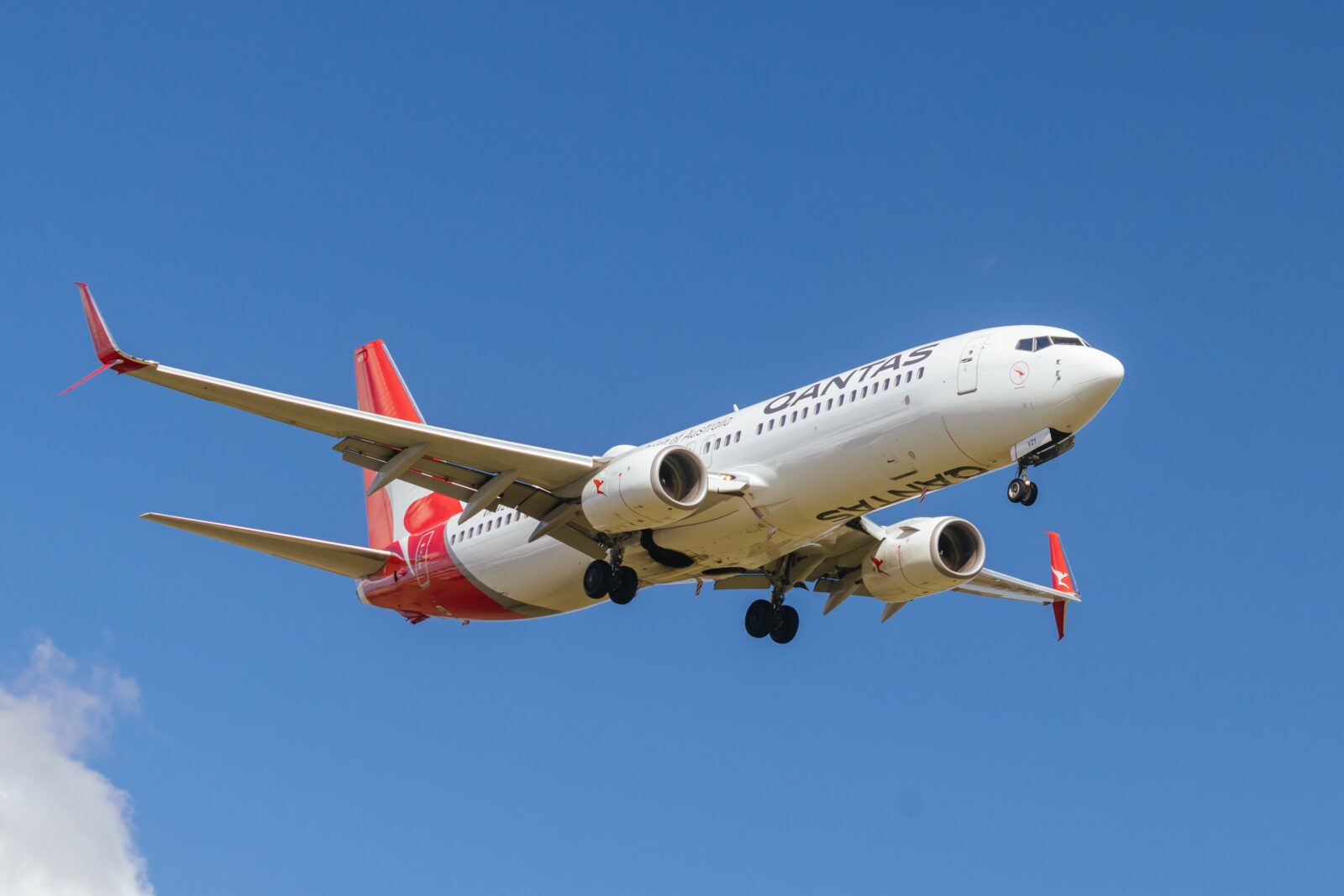
Qantas and its low-cost subsidiary Jetstar have become the latest airlines to ban the use of portable power banks in-flight over fears the devices can suddenly and unexpectedly overheat and then burst into flames.
In recent months, the aviation industry has been shaken by a dramatic rise in frightening mid-flight incidents caused by portable power banks and other devices powered by lithium batteries catching fire.
Airlines are, however, most concerned about the risk posed by power banks because not only are the batteries much larger than those of other devices like mobile phones, but more and more passengers are purchasing these popular travel accessories from unreliable online retailers with questionable safety certifications.
The Qantas Group will follow a slew of other airlines that have already placed strict restrictions on the use of portable banks.
From December 15, passengers traveling on any Qantas Group airline operated by Qantas, Jetstar, and QantasLink must heed the following power bank rules:
- Power banks cannot be used to charge devices on the plane.
- The in-seat power supply cannot be used to charge a power bank.
- Passengers can only carry a maximum of two power banks.
- Power banks and any other item with a lithium battery must be kept close to the passenger – ideally in the seat pocket or under the seat in front.
- Power banks must display battery specifications and cannot exceed a maximum capacity of 160 watt-hours.
In a statement, the Qantas Group said it was introducing the new restrictions following a “comprehensive internal safety review,” which has been months in the making.
Before introducing the new rules, Qantas worked with industry representatives from Virgin Australia, the International Air Transportation Association, and partners from across the oneworld alliance.
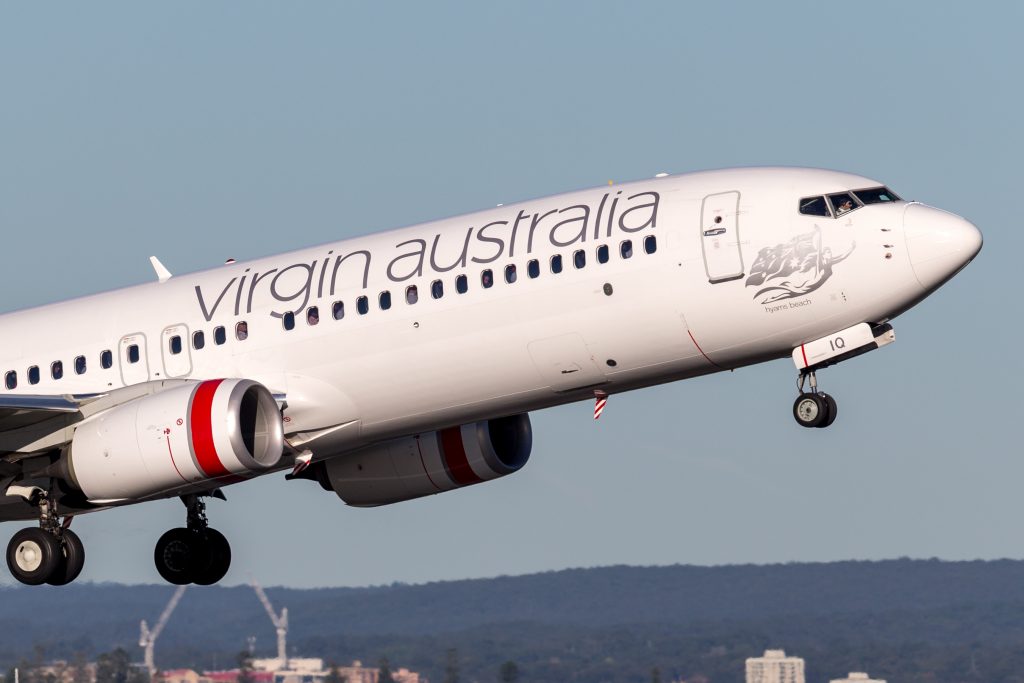
Virgin Australia is also placing the same restrictions on the use of power banks beginning December 1, with the one difference being that Virgin Australia is not limiting passengers to just two power banks.
What makes power banks so dangerous?
Any device powered by a lithium battery is susceptible to something called ‘thermal runaway’ – this is a self-accelerating process where heat generation within a battery cell exceeds its ability to dissipate heat, leading to a rapid and uncontrollable temperature increase.
Lithium batteries are made up of multiple power cells, and when one cell overheats, it quickly cascades through the other cells, causing fire, explosions, and the release of toxic gases.
Because of the ferocity of the flames generated by a large lithium battery experiencing thermal runaway, it can be difficult to contain these fires.
Why has the risk assessment changed so dramatically?
Until only recently, airlines were most concerned about lithium batteries suffering thermal runaway as a result of being damaged, especially when trapped in the mechanism of an airplane seat.
That’s why many airlines urge passengers not to move their seats if they lose their mobile phones or other electronic devices within their seats.
The problem, however, is that in recent months, there’s been a dramatic rise in the number of lithium batteries catching fire for seemingly no reason.
The incident that changed everything
In January, a power bank caught fire in the overhead bin of an Air Busan Airbus A320 in South Korea. The aircraft was still on the ground and preparing for departure when smoke started to pour out of the overhead bin, startling the passengers and crew.
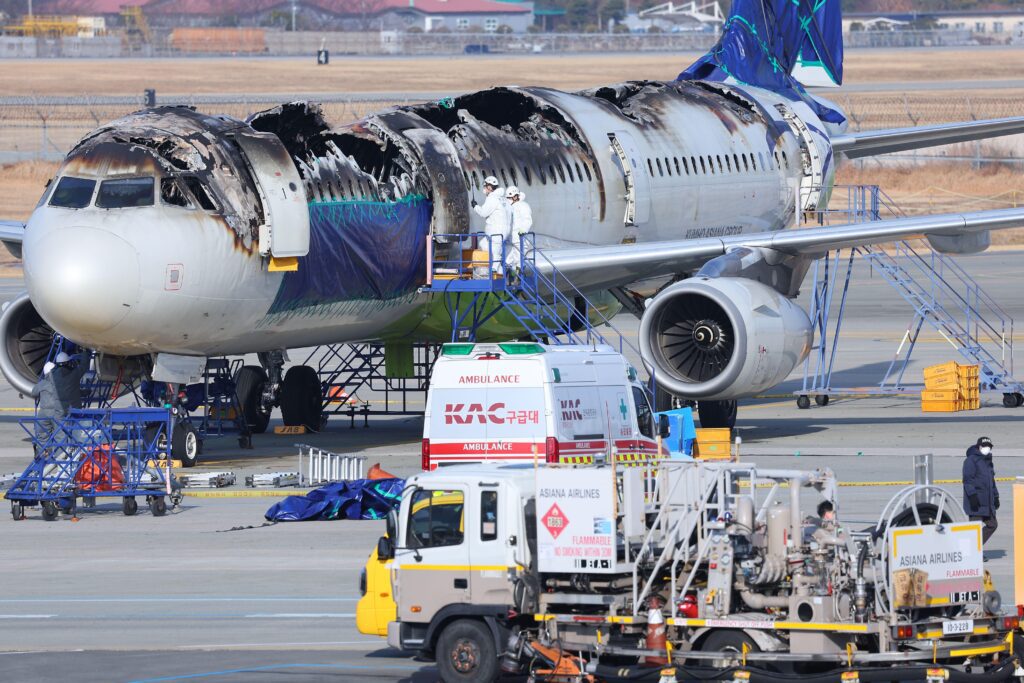
By the time anyone realized what was happening, the flames were already spreading, and the crew was unable to contain the fire.
An evacuation was ordered and, thankfully, everyone escaped with only a few minor injuries reported. The aircraft, however, was consumed by the flames, leaving a gutted wreck on the tarmac.
What are the international laws for lithium batteries?
For many years, passengers have been banned from carrying lithium batteries in their checked luggage because a thermal runaway in the cargo hold of an airplane would be much harder to contain than in the cabin where flight attendants can immediately deploy firefighting equipment.
There have, however, been surprisingly few restrictions on the carriage of lithium batteries in the cabin, with the exception of particularly large and powerful batteries.
That, though, could all change in 2026, as the International Civil Aviation Organization (ICAO) is currently reviewing the existing rules, and changes could be implemented worldwide within months.
How do Qantas’ rules stack up against other airlines?
If viewing on a mobile device, you may need to tilt your phone to view this table in landscape mode.
| Maximum power banks allowed | Use inflight | Charge inflight | Overhead bin ban | Maximum watt-hours | |
|---|---|---|---|---|---|
 | 1 | Banned | Banned | Yes | 100 |
 | 2 | Banned | Banned | Suggested | 160 |
 | 15 | Banned | Banned | No | 100* |
 | Not stated | Banned | Banned | Yes | 100 |
 | 20 | Yes | Not stated | Yes – if charging | 100 |
 | 20 | Yes | No | No | 100** |
- *Singapore Airlines allows 15 devices with a maximum watt-hour of 100 and two devices with a maximum watt-hour of between 101 and 160.
- **Lufthansa allows 20 devices with a maximum watt-hour of 100 and two devices with a maximum watt-hour of between 101 and 160.