



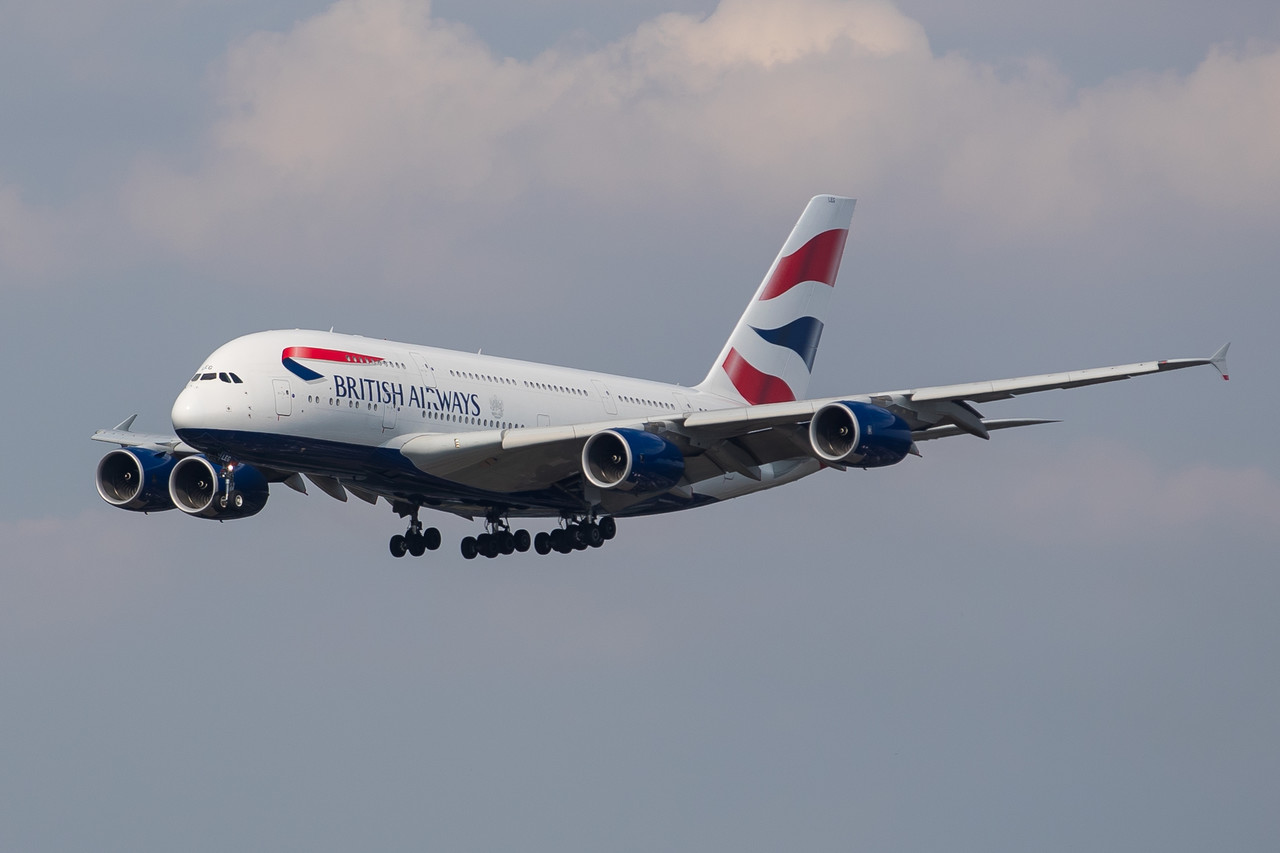
British Airways has come up with a novel solution to a frustrating flight delay that could have seen as many as 469 passengers stranded in Johannesburg after the pilots and cabin crew ran out of hours to legally work.
The incident unfolded on Friday night when British Airways flight BA54 from Johannesburg to London Heathrow was preparing for departure.
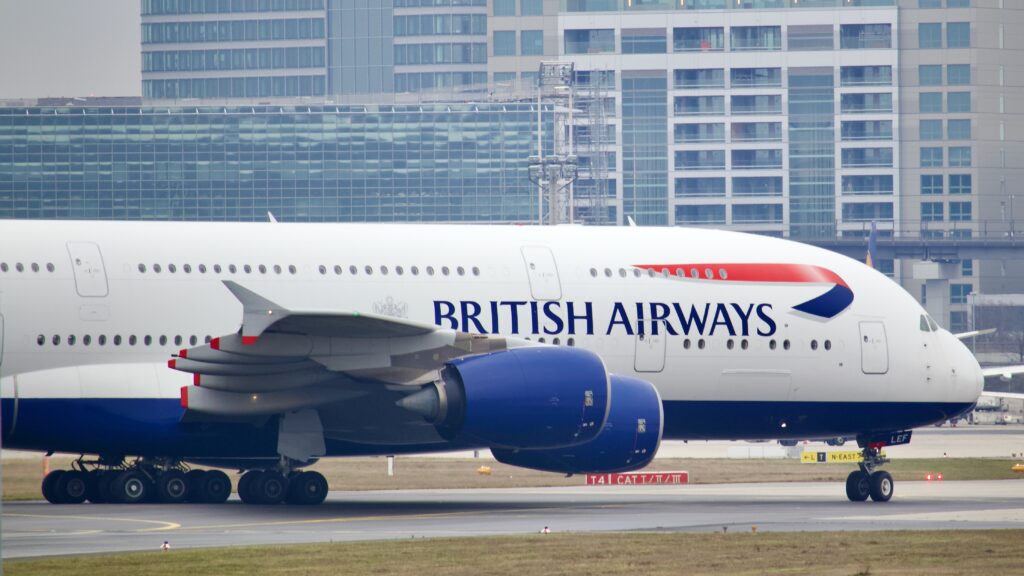
The overnight flight was scheduled to depart at 10:00 pm on November 21, but technical problems meant that the takeoff time kept getting pushed back.
The delay dragged on for a frustrating seven hours, with public flight tracking data showing that the Airbus A380 superjumbo didn’t end up taking off from Johannesburg’s OR Tambo International Airport until 5 am on Saturday morning.
At that point, however, it became clear that the pilots and cabin crew wouldn’t be able to legally work for the entire flight length to London.
Airline crews in the UK are governed by what is known as Flight Time Regulations, which were adopted by British officials when the country left the European Union.
The regulations stipulate the maximum number of hours that aircrew are allowed to work. If a delay occurs and the duty length would go over these set hours, then, ordinarily, the flight could need to be canceled or a replacement crew found.
That’s fine when the delay occurs at an airline’s home hub, but in Johannesburg, British Airways doesn’t have spare pilots and cabin crew it can call upon at a moment’s notice.
The only other option is to extend the maximum working hours by providing an adequate amount of rest in dedicated crew sleeping bunks. Even then, however, the regulations only account for a maximum working duty day of 18 hours.
Given that the duty clock normally starts before the crew has even arrived at the airport, and doesn’t stop until the plane arrives at the gate, the delay to flight BA54 on Friday night was pushing the regulations to the absolute limits.
Rather than canceling the flight, however, British Airways managed to work out a plan with the pilots and cabin crew. Rather than trying to fly the double-deck aircraft all the way to London, they planned to divert the plane to Madrid, which would be just within their maximum duty limits.
When the A380 was finally in the air and flying towards Europe, British Airways then scrambled to find two spare single-aisle A321 jets that it could fly empty to Madrid and help rescue as many of the stranded passengers as possible.
The remaining passengers could then be accommodated on BA’s regularly scheduled flights from Madrid, as well as those of its sister airline Iberia, which is based in the Spanish capital.
Although unusual, this isn’t the first time that British Airways has decided to divert heavily delayed flights to midway points from where the passengers could be transferred onto rescue flights.
In April, a British Airways flight from Nassau in the Bahamas to London Heathrow was forced to divert to Gander in Canada due to a medical emergency. Once on the ground in Gander, it became apparent that the crew no longer had enough hours to fly all the way back to London.
The idea of being stranded in Gander didn’t appeal to anyone, so the crew agreed to fly as far as they legally could, which in this case meant flying to Keflavík International Airport in Iceland.
British Airways then sent an Airbus A321 on a rescue mission with a new working crew to get the passengers to London.


Couldn’t they have flown an A380 crew to Madrid instead of two empty planes with crew?
Why didn’t they just fly a replacement A380 crew to Madrid to take the original plane home?!
Well, you gotta hand it to BA! The solution cost a bit to send two empty planes and crew but the payoff was cheaper than any alternative I can think of!
BA certainly, and all other airlines, have had FTRs in place long before Brexit. They may have reverted to the British regulations rather than follow the EU ones.