



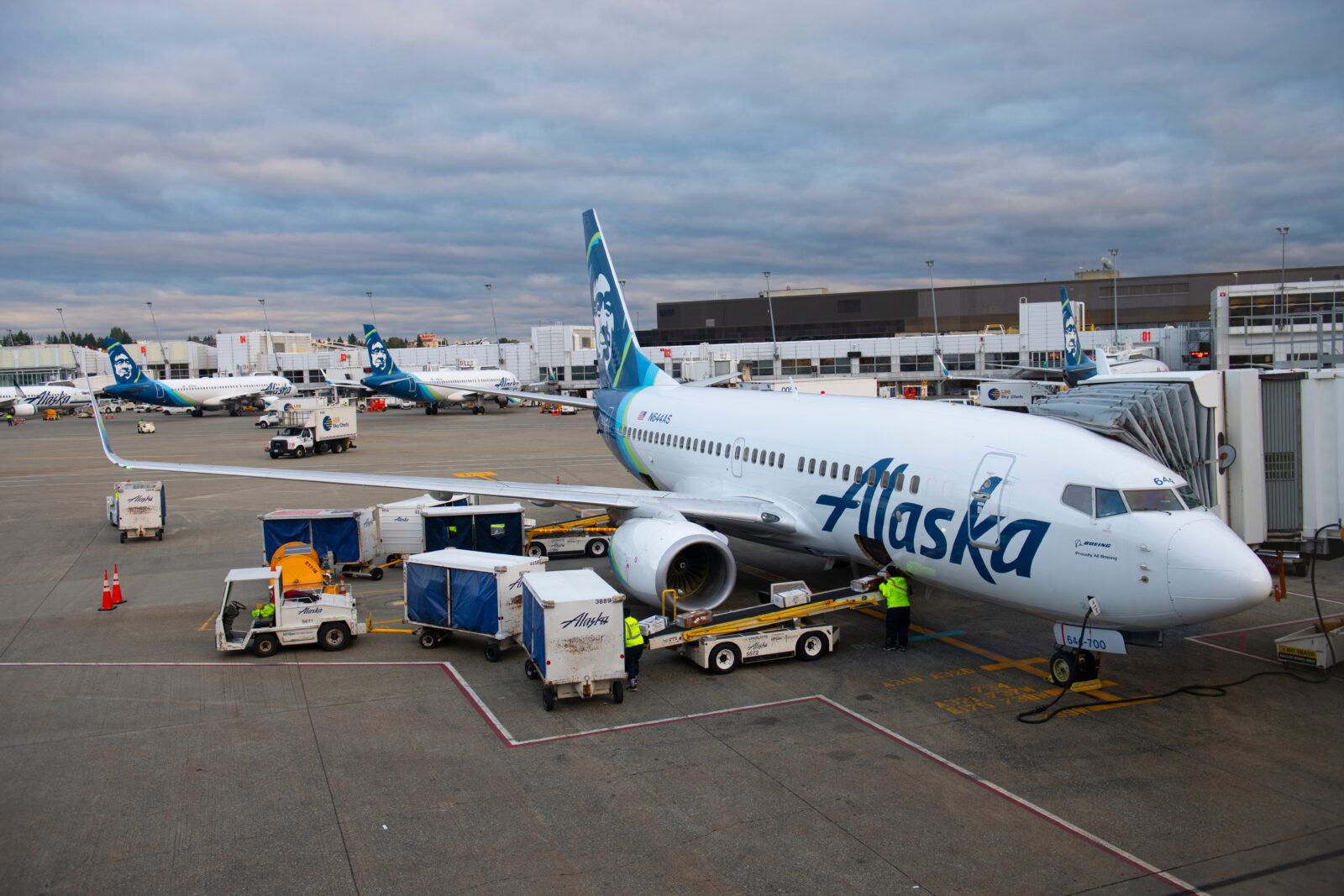
Seattle-Tacoma International Airport is facing a particularly tricky situation… it might run out of jet fuel, and the situation is already having an impact on some airlines operating from the airport. If the shortage doesn’t improve soon, then the impact might become much more widespread.
The problem is to do with the Olympic Pipeline, a 690-kilometer fuel pipeline operated as a joint venture between BP North America and Shell.

The pipeline delivers fuel to key population centers in Washington state and Oregon, and importantly, also to Seattle-Tacoma Airport, supplying the airfield with the Jet A fuel used in modern airplanes.
Unfortunately, the Olympic pipeline had to be shut down on November 11 after a leak was discovered, and despite efforts to get the pipe reopened on November 17, it didn’t take long before further problems to be discovered.
As a result, the pipeline remains shut, and there’s no clear timeline for when fuel will be running again.
That means that Seattle-Tacoma’s fuel reserves could soon dry up and result in major disruption at the airport.
The situation is so bad that Washington State Governor Bob Ferguson declared an emergency on Wednesday in anticipation of a fuel shortage at SeaTac.
Fuel supplies are being driven to the airport in fuel trucks, but the number of deliveries might not be able to keep up with the huge demand expected.
As a result, Governor Ferguson has temporarily waived and suspended state regulations that limit the number of hours that truck drivers can normally work while delivering fuel.
This emergency proclamation may not, however, be enough to completely ease fuel shortages at SeaTac, so additional measures are already being implemented.
Domestic US flights are least likely to be affected, as airlines are being asked to ‘ferry’ fuel from their origin airport to Seattle. This means that the plane is loaded with much more fuel than is required for the flight to Seattle, so as to avoid the need to refuel for the next flight out of SeaTac.
Fuel ferrying is normally discouraged as it increases overall fuel burn due to the higher weight of the aircraft, meaning that emissions are also increased.
In the past, airlines have been slammed by environmental groups for ferrying fuel to airports with more expensive fuel prices, although, in these circumstances, it’s easy to understand why ferrying is the first choice in mitigating fuel supply issues.
The second option, which might affect some longer flights, especially international transpacific services, is to add a fuel stop in a third city. For example, as noted by One Mile at a Time, two Taiwanese airlines are already rerouting their flights from Seattle for a fuel stop as there’s simply not enough storage to ferry fuel all the way from Taiwan and back.
EVA Air is making a pit stop in Anchorage, Alaska, over the next few days, while Starlux Airlines is stopping over in Portland to take on more fuel for its flight back to Taipei.
Seattle’s two largest domestic carriers, Alaska Airlines and Delta, say they are activating contingency plans, which may result in some flights being diverted for short refuelling stops.
With the Thanksgiving holidays right around the corner, this issue couldn’t come at a worse time, and travelers are being warned to check the status of their flight before heading to the airport.
That being said, this isn’t the first time that airports have been forced to deal with fuel shortages. In 2023, San Diego Airport reportedly ran dry of jet fuel after a similar issue with a fuel pipeline supplying the local area.
The FAA has currently issued a NOTAM to pilots warning of potential fuel shortages at SeaTac until November 25. That, however, could be extended.


You might run out of credibility.
Seems more likely.
Dude, what on earth are you talking about. This is reported in other news channel. Mateusz is not making this up. The only credibility issue is you.