



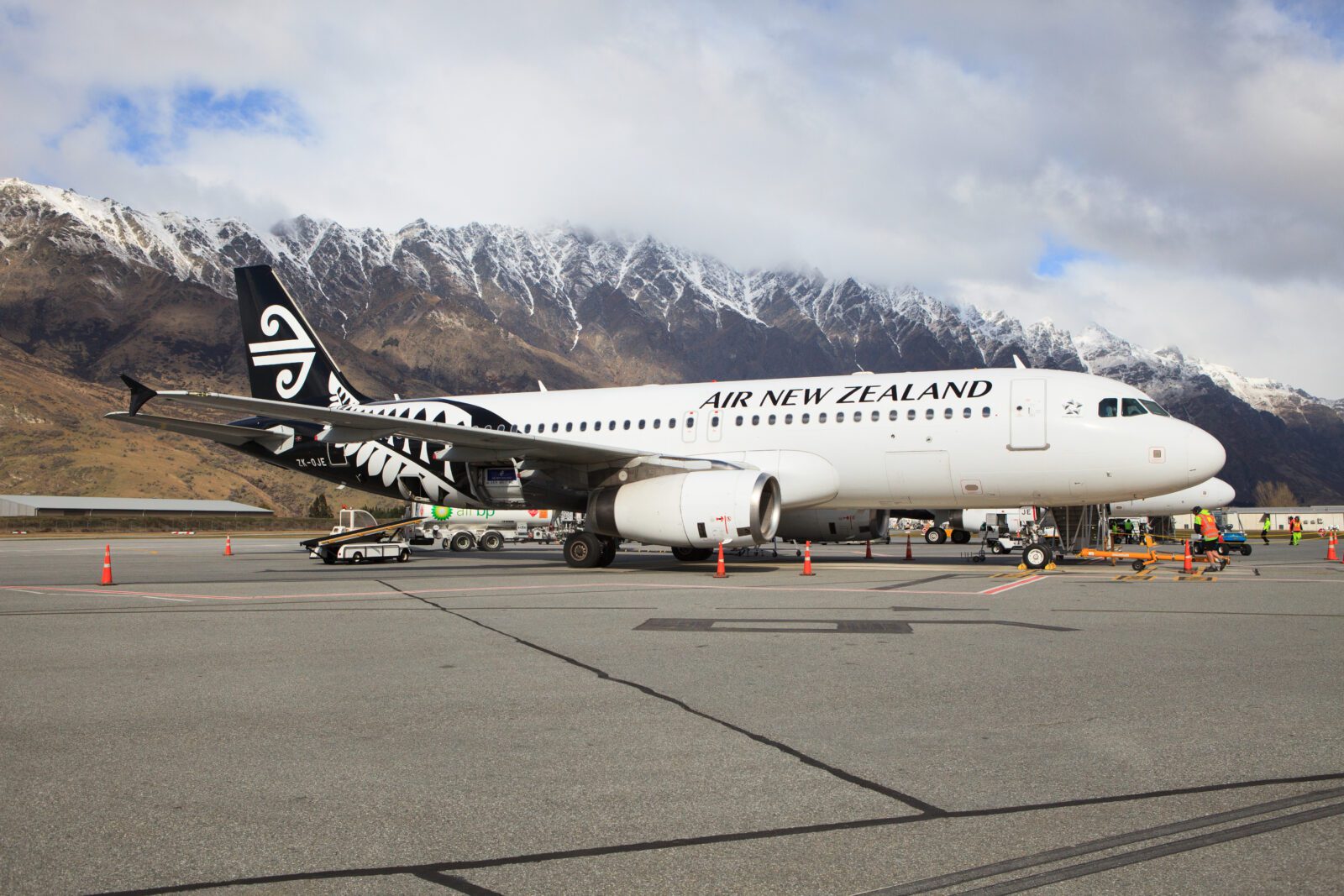
Cabin crew at Air New Zealand will take part in a historic strike on December 8, with two unions representing three flight attendant workforces covering regional, domestic, and international services working together to coordinate a joint walkout that could grind the carrier to a halt.
Unlike in some countries, cabin crew at Air New Zealand aren’t required to join a union, and if they do choose to have official representation, they have a choice of what union to join.
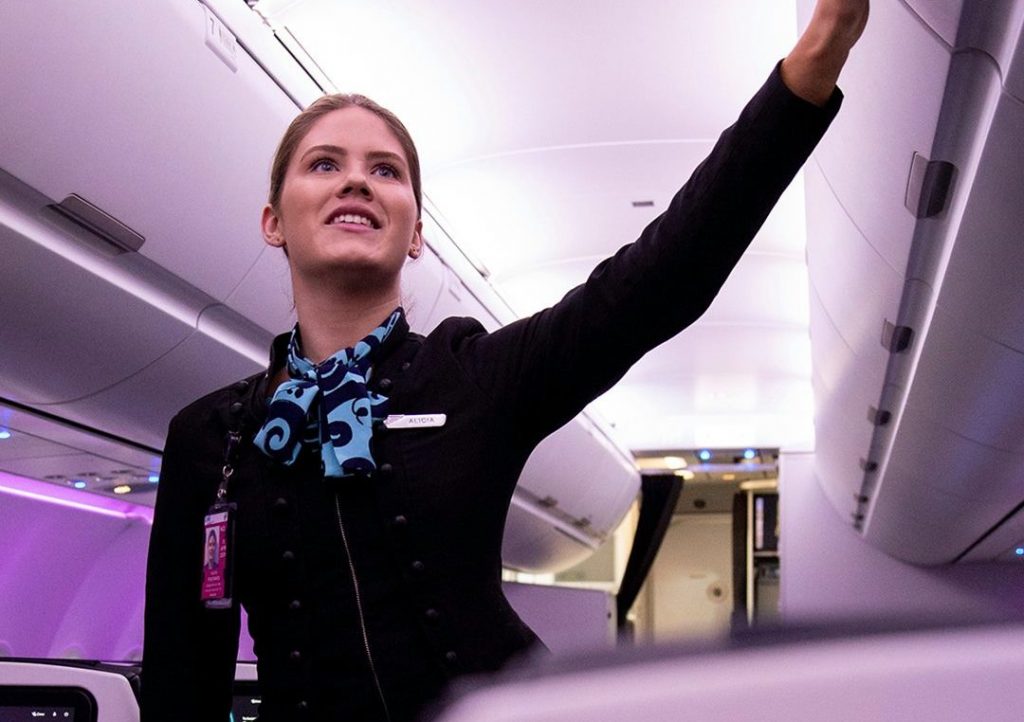
There are currently two unions representing Air New Zealand crew, and with the carrier splitting collective bargaining agreements by the types of planes that flight attendants work on, it has traditionally been incredibly difficult for unions to exert a huge amount of pressure on the airline with the threat of a strike.
After months of protracted negotiations between the unions and the airline, things have come to a head, and the two unions – the predominant E tū union and the smaller Flight Attendants Association of New Zealand (FAA) – have put their difference aside and joined forces.
“Air New Zealand is prioritising efficiency over crew wellbeing,” one crew member commented, remaining anonymous for fear of reprisals from the airline. “They’re asking us to be more productive when our rosters are already stretched, and that increases the risk of fatigue.”
The crew member added: “We’re also being asked to trade away hard-won conditions just to get an inflation-level pay rise, and that isn’t a fair deal.”
If a breakthrough isn’t made within the next couple of weeks, cabin crew from all three ‘fleets’ will take part in a historic coordinated strike action on December 8.
- Regional flight attendants will strike between 5 am and 11 pm
- Domestic flight attendants will strike between 12:01 am and 11:59 pm
- International flight attendants will also strike between 12:01 am and 11:59 pm
The two unions represent around 80% of cabin crew, so even if every union member took part in the walkout, there may be a possibility of Air New Zealand operating a very small number of flights.
Like many other carriers, Air New Zealand may also be able to call upon non-represented managers who have been trained as stand-in cabin crew.
“We acknowledge that the issuing of strike notices is a serious step, and we respect the right of our people to take industrial action,” a spokesperson for the airline said in a conciliatory message.
“At the same time, we are doing everything possible to minimise disruption for our customers and our people,” the statement continued.
Air New Zealand is yet to work out its planned schedule for December 8 and asked passengers to be patient as it works through the details.
The fact that the two cabin crew unions have come together to coordinate a strike is remarkable, given that the Flight Attendants Association of New Zealand was formed during the COVID-19 pandemic by disgruntled crew members who were unhappy with the job E tū was doing.
The level of perceived animosity between the two unions is probably best explained by a dispute the FAA raised when it found out the airline was giving E tū members free breakfast at layover hotels on the back of an agreement it had negotiated.
The FAA wanted only its members to get the free breakfast and demanded the airline withdraw the offer for E tū members, as well as crew who weren’t union members at all.
The situation became so heated that the FAA filed a formal complaint with the Employment Relations Authority. Ultimately, the FAA lost the case.