



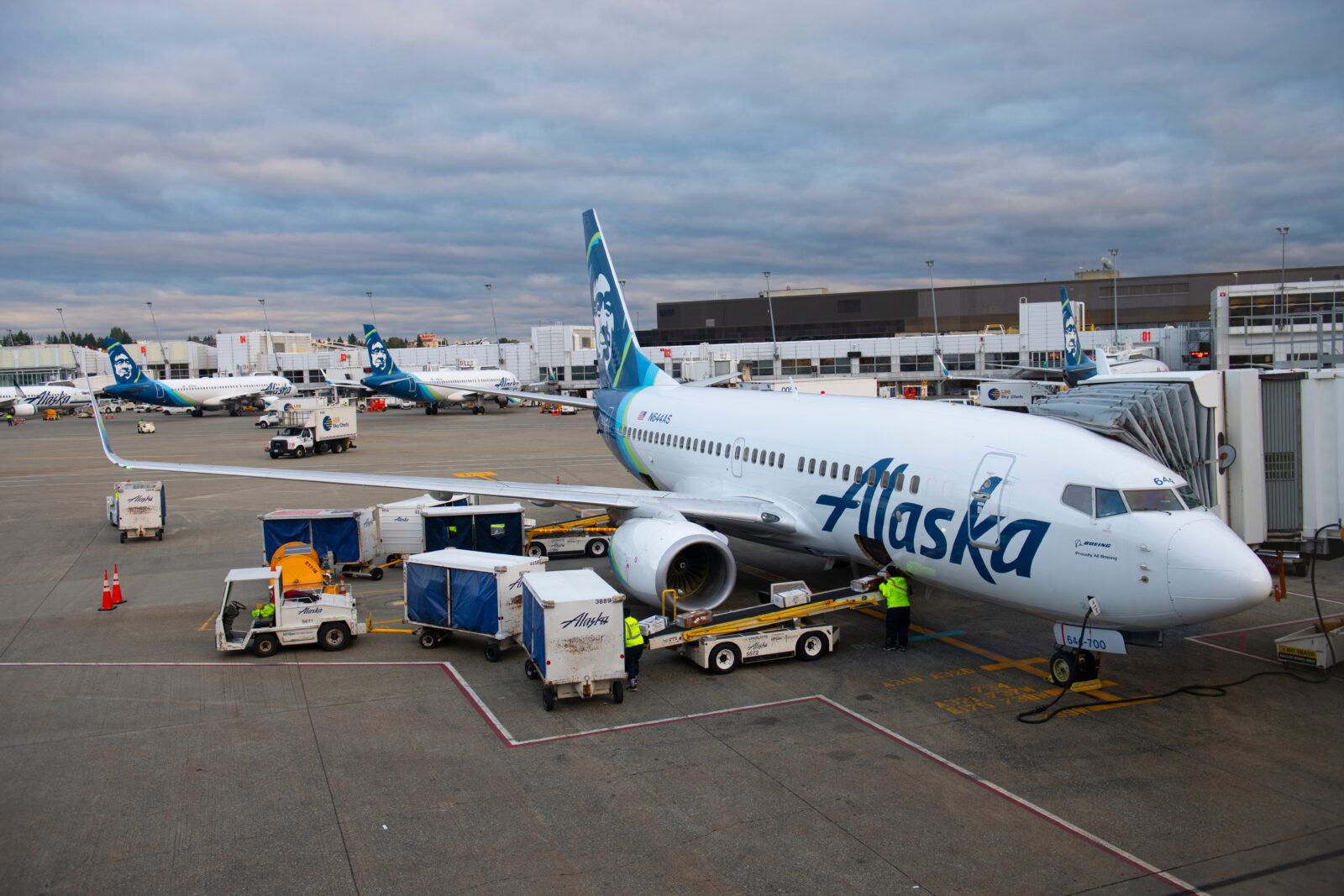
Alaska Airlines has a very good reason to celebrate this holiday season, as fuel supplies have been restored to its home hub at Seattle-Tacoma International Airport just in time for the Thanksgiving travel rush.
Along with Delta Air Lines and other major carriers that use SeaTac, Alaska Airlines had been preparing for the very worst, with the possibility that the airport could have run out of jet fuel, causing huge delays and cancellations.
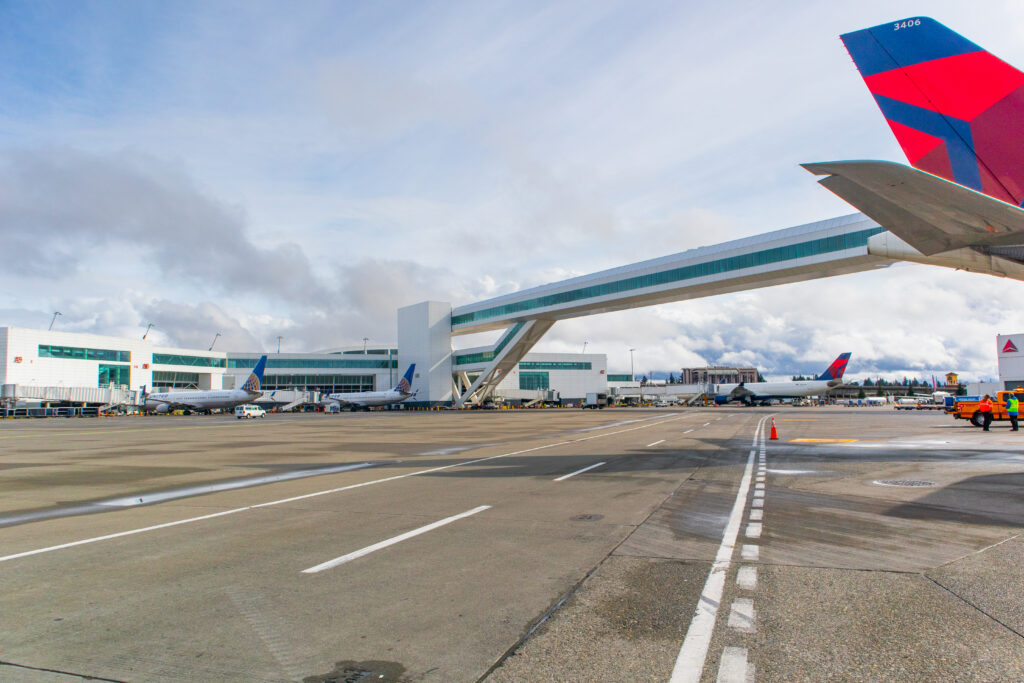
The issues affecting SeaTac started more than a week ago when a leak was discovered in the Olympic Pipeline, a 690-kilometer fuel pipeline operated by BP North America, which delivers fuel to key population centers in Washington state and Oregon.
SeaTac relies on the Olympic Pipeline for its aircraft fuel supplies, but with no clear timeline from BP as to when the leak would be found and patched, the airport, airlines, and state emergency officials were activating worst-case scenario contingency plans.
Last week, Washington State Governor Bob Ferguson issued an emergency proclamation, temporarily waiving the maximum hours that fuel truck drivers could work so that as much jet fuel as possible could be delivered to SeaTac by road.
Even with a convoy of fuel trucks working around the clock to get jet fuel to the airport, there were still very real concerns that the supplies would run dry unless other measures were not taken.
Those measures, though, were having an impact on passengers.
Alaska Airlines was operating at least a dozen flights per day with an added fuel stop, making journeys longer and upsetting the carrier’s schedule.
The fuel stops allowed flights to depart SeaTac with just a little fuel and then divert to a nearby airport so that the fuel tanks could be filled all the way up. This was being used on transcontinental routes such as between SEA and New York JFK, as well as flights to Hawaii.
Shorter flights were able to use ‘tankering’ to manage the fuel supply issues at SeaTac – this involves a plane flying to Seattle with more fuel than is required for the first leg, so that it can depart without needing to take on more fuel, or just a little fuel to complete its next leg.
Although necessary in these circumstances, tankering adds substantial weight, which cannot only make flight times longer but can also increase greenhouse gas emissions.
Thankfully, fears of fuel completely running out at SeaTac are no more after BP confirmed that it had been able to partially reopen the Olympic Pipeline.
Alaska Airlines has already canceled planned fuel stops, although the carrier isn’t taking too many chances, saying in a statement that it will continue to tanker in fuel.
Fuel supplies will also be trucked into SeaTac, although on a reduced basis, as normal operations are restored.
The TSA is expecting Sunday, November 30, to be one of the busiest days in its history, with more than 3 million passengers expected to be screened at airports across the United States.