



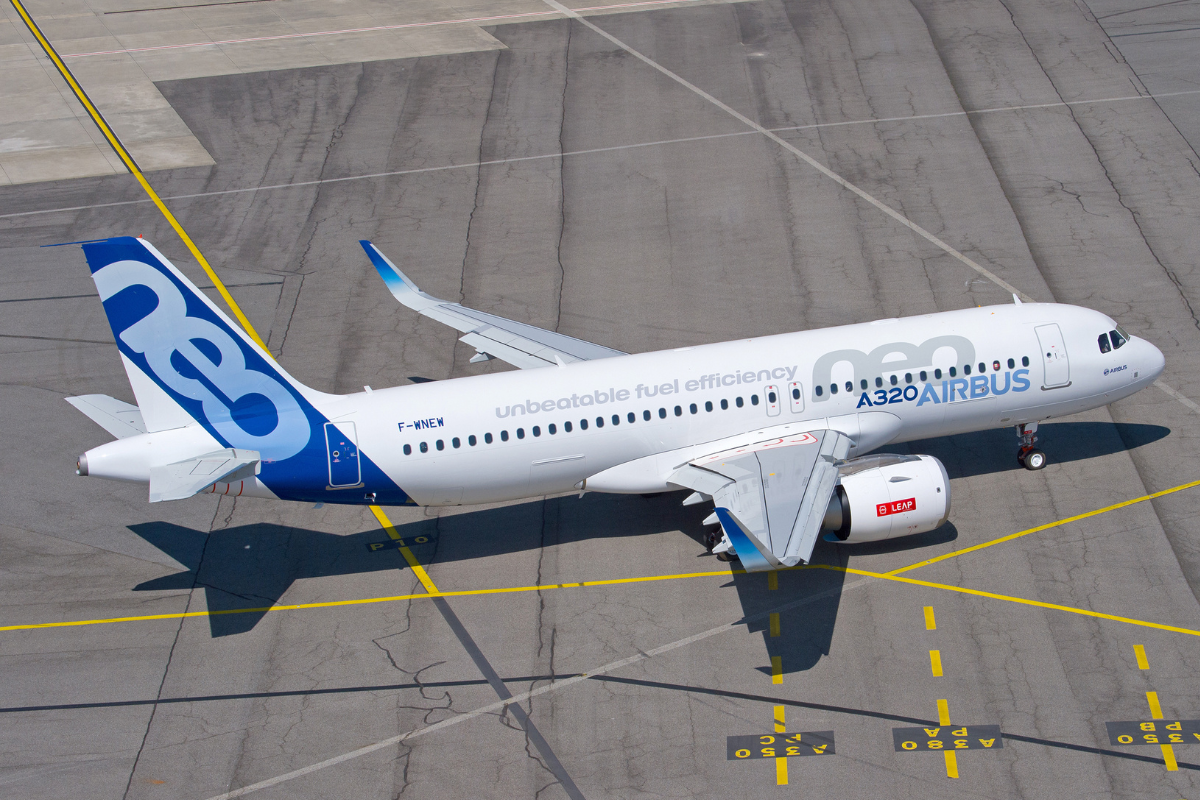
European aerospace giant Airbus has warned of the very real threat of mass worldwide flight disruption after it discovered that intense solar radiation could fry computer data that the beleaguered aircraft manufacturer says is “critical to the functioning of flight controls.”
The issue affects the best-selling Airbus range of A320 single-aisle aircraft, which recently overtook the Boeing 737 as the most delivered airplane type in the world.
According to industry fleet data reports, there are nearly 11,500 Airbus A320 series aircraft in active commercial service around the world, and judging by the latest information released by the Toulouse-based carriers, a huge number of these will need to undergo urgent engineering checks.
Airbus says that it started investigating an incident involving an A320 aircraft and, horror-struck, discovered that solar radiation could corrupt critical data in the flight control computer.
As a result, the company has been forced to send an emergency alert to operators of the affected planes to get the issue urgently fixed.
In a statement, a spokesperson noted that “Airbus has consequently identified a significant number of A320 Family aircraft currently in-service which may be impacted.”
Unfortunately, preliminary information released by Airbus was short on details of how many planes were affected, which airlines would be impacted, or even how long it might take to implement the necessary fixes.
A spokesperson for Airbus did, however, explain:
“Airbus has worked proactively with the aviation authorities to request immediate precautionary action from operators via an Alert Operators Transmission (AOT) in order to implement the available software and/or hardware protection, and ensure the fleet is safe to fly.”
“This AOT will be reflected in an Emergency Airworthiness Directive from the European Union Aviation Safety Agency (EASA).”
EASA has yet to publicly publish the emergency airworthiness directive.
Why is EASA responsible for issuing this airworthiness directive?
As the name suggests, the European Union Aviation Safety Agency is the aviation regulator for the EU, and, as such, is responsible for issuing airworthiness rules for any planes that are made by a European company – in this case, the pan-European aerospace firm Airbus.
This is very similar to how the Federal Aviation Administration in the United States is responsible for issuing airworthiness directives for aircraft made by Boeing.
Airworthiness directives issued by these two organisations then have to be followed by operators of Airbus or Boeing aircraft around the world.
“Airbus acknowledges these recommendations will lead to operational disruptions to passengers and customers,” the statement added.
“We apologise for the inconvenience caused and will work closely with operators, while keeping safety as our number one and overriding priority.”
It should be noted that it is incredibly rare for Airbus to publicly comment on airworthiness directives affecting its commercial aircraft, highlighting the potential scale of could be about to unfold.
Airlines that use Airbus’ latest A320neo model have already been grappling with disruption caused by ongoing issues with the Pratt & Whitney engines that power the more fuel-efficient jets, resulting in planes being grounded for extended periods.
Air New Zealand, for example, recently said that engineering checks to look for microscopic cracks in the engines could continue grounding some planes for another two years.