



Airbus Says Less Than 2% of A320 Airplanes Haven’t Yet Received Critical Software Safety Fix

- The aircraft manufacturer and airlines were able to roll out the emergency safety fix to nearly 6,000 aircraft in just two days.
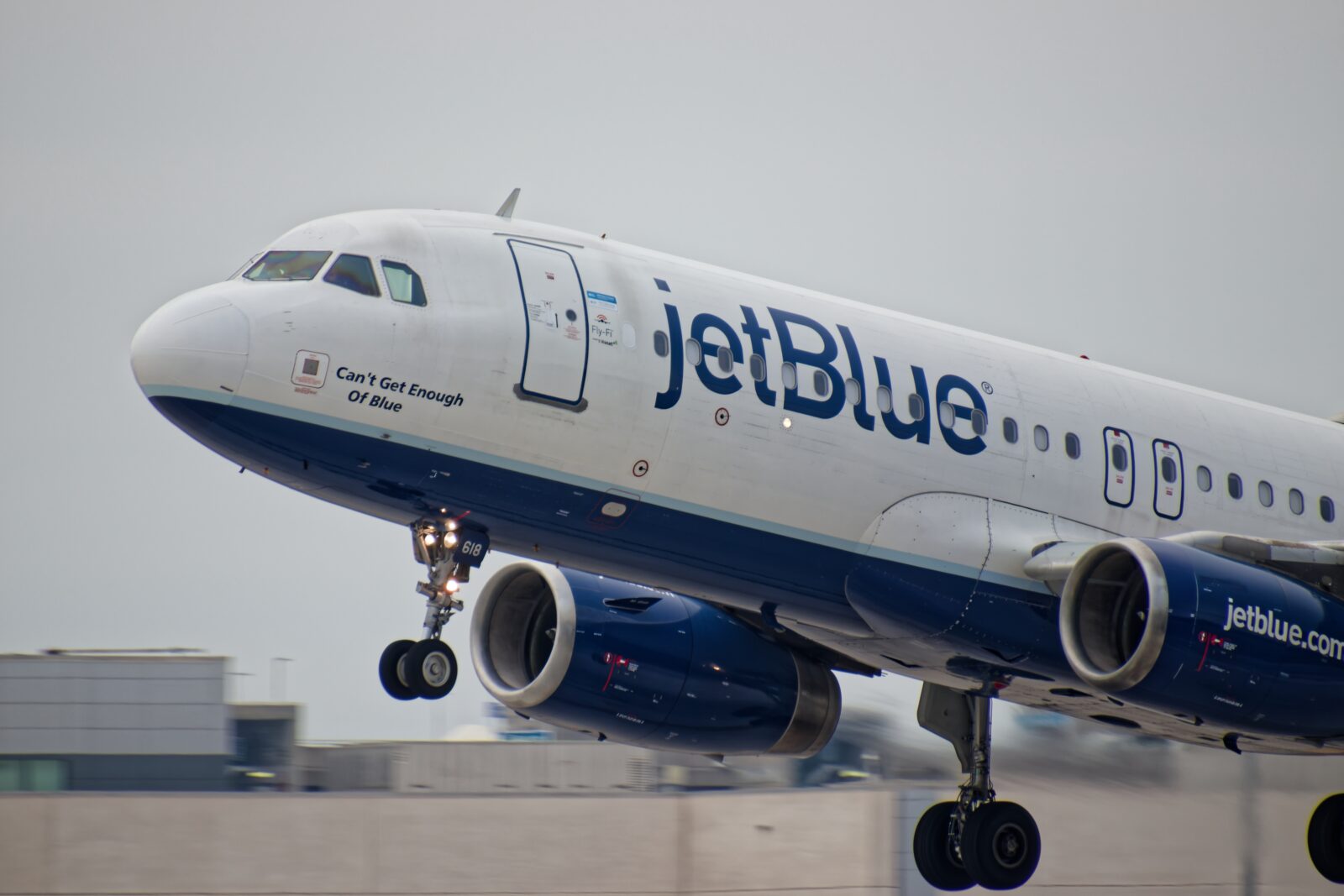
European aerospace giant Airbus has provided an update on the progress it and global airlines have made in rolling out an emergency safety fix for faulty cockpit software on around 6,000 A320 family aircraft.
In little more than two days since the issue was first made public, the vast majority of the affected aircraft have received the safety fix and are already back in service, with just 100 airplanes remaining grounded.
Representing just 1.6% of the affected aircraft, those 100 A320 family jets will require more extensive work to get them airworthy, as engineers will need to replace a piece of cockpit computer hardware known as the ELAC.
Formally known as the Elevator & Aileron Computer, the ELAC is a cockpit computer that interprets the inputs the pilots put into the controls and then smoothly and correctly controls the elevators and ailerons.
A recent software upgrade known as L104 introduced two new safety features into the ELAC system to prevent the risk of a midair stall in very specific and rare circumstances.
Not all airlines had installed this upgraded software across their A320 family airliners, which is why only around half of all A320 aircraft in commercial service were affected by Friday night’s Emergency Airworthiness Directive from the European Aviation Safety Agency (EASA).
The dangerous incident that drew attention to the ELAC software
On October 30, JetBlue flight 1230 was flying from Cancun to Newark when the plane suddenly pitched down, or in layman’s terms, the nose of the plane pointed downwards without warning or any input from the two pilots in the cockpit.
The sudden and unexpected movement injured 15 passengers and crew, and the plane had to make an emergency landing in Tampa, Florida.
Engineers established that the unexpected pitch-down input came from a malfunctioning ELAC computer unit, and when Airbus dug deeper, they discovered that the software data could be corrupted by intense solar radiation.
The quickest fix to the critical problem identified in the L104 software was to roll back the software to the last stable version, known as L103+. This required airlines to plug in a portable data loader into the cockpit computer and manually upload the software.
In the 100 grounded aircraft, however, the ELAC is an older version of the computer hardware, and it’s not possible just to simply roll back the software version. Instead, Airbus is now working overtime to install brand new ELAC computers on these airplanes.
In a statement, Airbus said on Monday: “Airbus apologises for any challenges and delays caused to passengers and airlines by this event.”
“The Company thanks its customers, the authorities, its employees, and all relevant stakeholders involved for their support in implementing these measures, and for their understanding of Airbus’ decision to put safety above all other considerations.”
When Airbus announced the global recall of 6,000 A320 family aircraft for the emergency software update, it was genuinely feared that the action could result in mass delays and cancellations around the world.
As it turned out, airlines were able to upload the required data in only 15 minutes per aircraft.
It remains to be seen, however, whether Airbus could be on the hook for paying a significant amount of compensation to some of the worst-affected airlines, including JetBlue, which has been battling disruption over the last couple of days as it managed the fallout from the emergency directive.
Matt’s take – Was this Airbus’ 737MAX moment?
Airbus has largely managed to avoid the kind of highly negative headlines that rival aircraft manufacturer Boeing has had to deal with over the last few years, first stemming from the fatal crashes of two 737MAX jets and then very real concerns about manufacturing issues with its 787 Dreamliner range.
That being said, the software snafu shows that Airbus is not immune to safety issues with its planes, and there are a number of other ongoing concerns with the manufacturer’s jets that have frustrated the aviation industry.
Whether that be the ongoing grounding of A220 and A320 family aircraft due to issues with the Pratt & Whitney turbofan engines, or long-running concerns over so-called ‘fume events’ on Airbus jets, the company is not perfect.
Whether or not you can come close to comparing these issues with the drama at Boeing, however, is another matter altogether.