



In the last couple of years, the famous slogan ‘if it’s not Boeing, I’m not going,’ was changed to ‘if it’s Boeing, I’m not going’ – a clear reflection of the serious reputational harm that the US aerospace giant has suffered after two fatal crashes of its 737MAX jet became the catalyst for intensive scrutiny of its business.
What emerged was an aircraft manufacturer that was seemingly cutting corners in order to meet ambitious production quotas while also maximizing profits.
Passengers became understandably nervous flying on Boeing-made planes, and some even planned their travel so they would only fly on airplanes produced by arch-rival Airbus.
It turns out, however, that Airbus’s own single-aisle aircraft range has its own reliability issues. It’s just that until this weekend, issues with the A320 rarely made the news.
It’s probably worth noting straight off the bat that the Airbus A320 family of aircraft remains remarkably safe. Industry figures suggest there are nearly 12,000 of these aircraft in active commercial service around the world, and serious incidents are incredibly few and far between.
But that’s not to say that the A320 platform is without its issues… It’s just that the media has, until now, focused solely on Boeing’s multiple woes.
A flawed software upgrade that caused a plane to plummet
On Friday evening, Airbus entered crisis management mode when it was forced to admit that it was issuing a so-called ‘Alert Operators Transmission’ that would require airlines to take immediate precautionary action on as many as 6,000 in-service A320 model airplanes around the world.
A recent software upgrade to a computer system that controls the elevators and ailerons – appropriately called the Elevator & Aileron Computer or ELAC – was prone to critical data corruption when a plane flies through intense solar radiation.
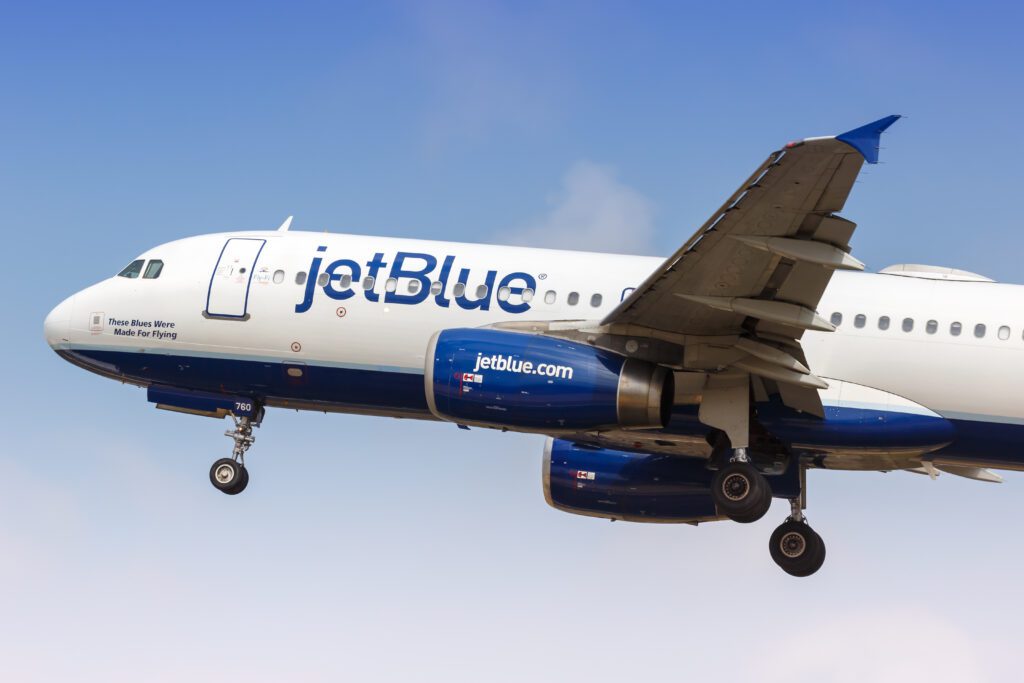
The problem was only discovered, and a JetBlue flight from Cancun to Newark suddenly plummeted when the ELAC erroneously performed a pitch-down movement, leaving 15 passengers and crew members injured.
Despite concerns of widespread flight disruption, Airbus was able to help airlines avoid mass cancellations by suggesting a rollback to an older version of the ELAC software, which is proven to be safe.
What happens next? Airbus will have to fully debug the flawed software update before pushing it to airlines to upgrade the ELAC computer system. Airbus has not provided a timeline for this process.
Defective panels and quality control problems
Just days after the software fiasco, it emerged that the European plane maker had issued a recall on some new planes over fears that aircraft panels did not meet its exacting standards and might require remedial action.
Unlike the ELAC issue, Airbus hasn’t been very forthcoming with information about how widespread the problem is, but a spokesperson for the manufacturer says that it is taking a ‘conservative’ approach to recalling planes and will inspect a lot more aircraft than it anticipates to find problems with.
Airbus outsources manufacturing for various aircraft parts to vendors across Europe before bringing them together at its final assembly lines. Airbus suggested the problem was with one of these vendors rather than an in-house oversight.
In a statement, an Airbus spokesperson noted: “The source of the issue has been identified, contained, and all newly produced panels conform to all requirements.”
Ongoing issues with new engines that have grounded planes worldwide
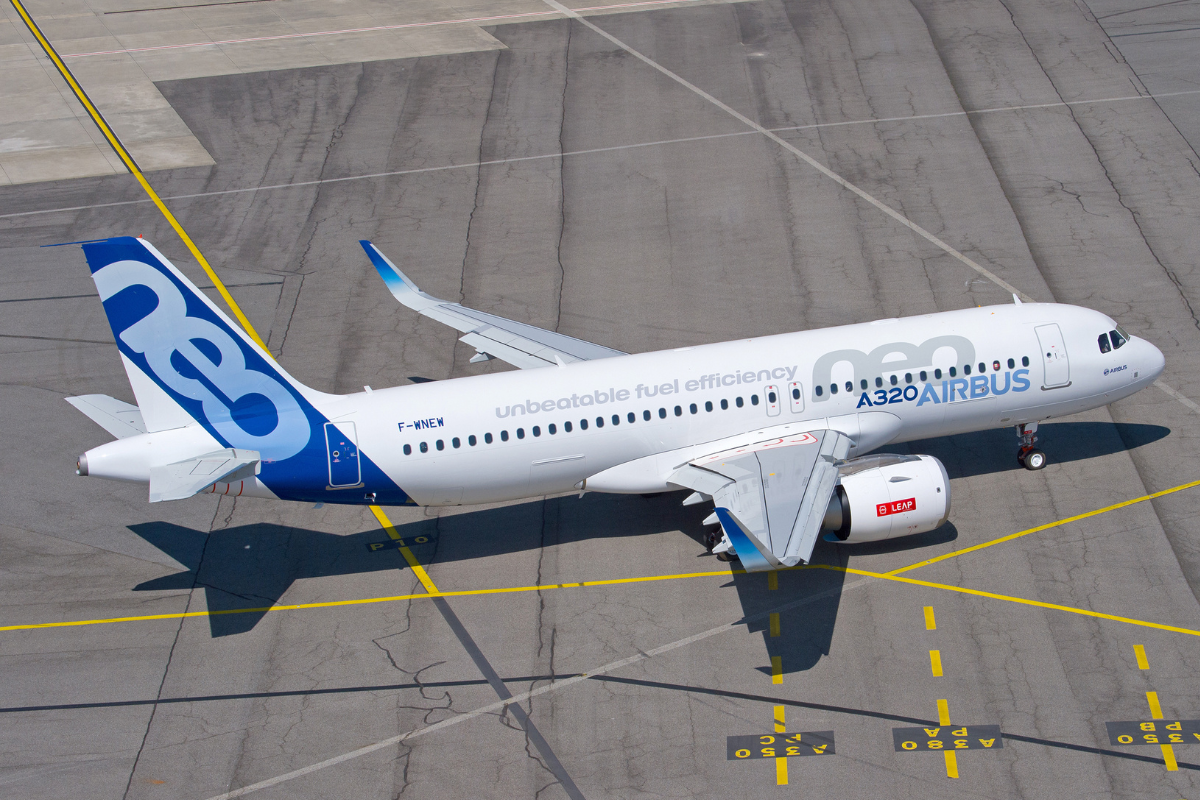
Perhaps the biggest issue facing Airbus A320 airplanes that has flown under the radar is the ongoing issues with the Pratt & Whitney geared turbofan engines that power some of the latest NEO versions of the A320 family.
Standing for New Engine Option, the A320NEO is meant to be quieter and more fuel-efficient than older models, but the turbine-compressor disks in these P&W engines are prone to cracks that could result in a catastrophic incident.
To mitigate that risk, regulators have ordered airlines to carry out inspections of these engines at much earlier intervals than they planned and to replace faulty parts.
Along with supply chain issues in getting hold of the required parts, airlines have been forced to ground hundreds of A320 family aircraft for months at a time.
Of course, Pratt & Whitney is mainly on the hook for these quality issues but the whole debacle doesn’t reflect well on Airbus.
Toxic fume allegations and an ongoing lawsuit
Although most commercial airlines are susceptible to so-called ‘fume events,’ the A320 family is said to be particularly impacted, but only now are the public really starting to become aware of the issue.
Although fume events on A320 family aircraft have been well known amongst aircrew for years, reporting in publications like the Wall Street Journal, as well as high-profile class action lawsuits against Airbus, has brought the issue to the fore.
In September, it even emerged that Delta Air Lines was refitting the Auxiliary Power Units (APU) on its older A320 aircraft in an attempt to significantly reduce the risk of fume events.
Campaigners claim the APU on Airbus A320 aircraft has a known design flaw that increases the risk of cabin air becoming contaminated with dangerous pollutants such as engine oil.
Some victims of fume events say exposure to these pollutants has caused serious long-term health effects that have had a massive impact on their lives.
Airlines and Airbus insist, however, that while scary, fume events only cause short-term and mild symptoms like headaches, a sore throat, and a runny nose.
Bottom line
Some insiders in the aviation industry have become increasingly irked that Boeing bears the brunt of criticism from the media, while Airbus escapes with seemingly no reporting about issues affecting its planes.
Last weekend’s software snafu, however, may well change that.