



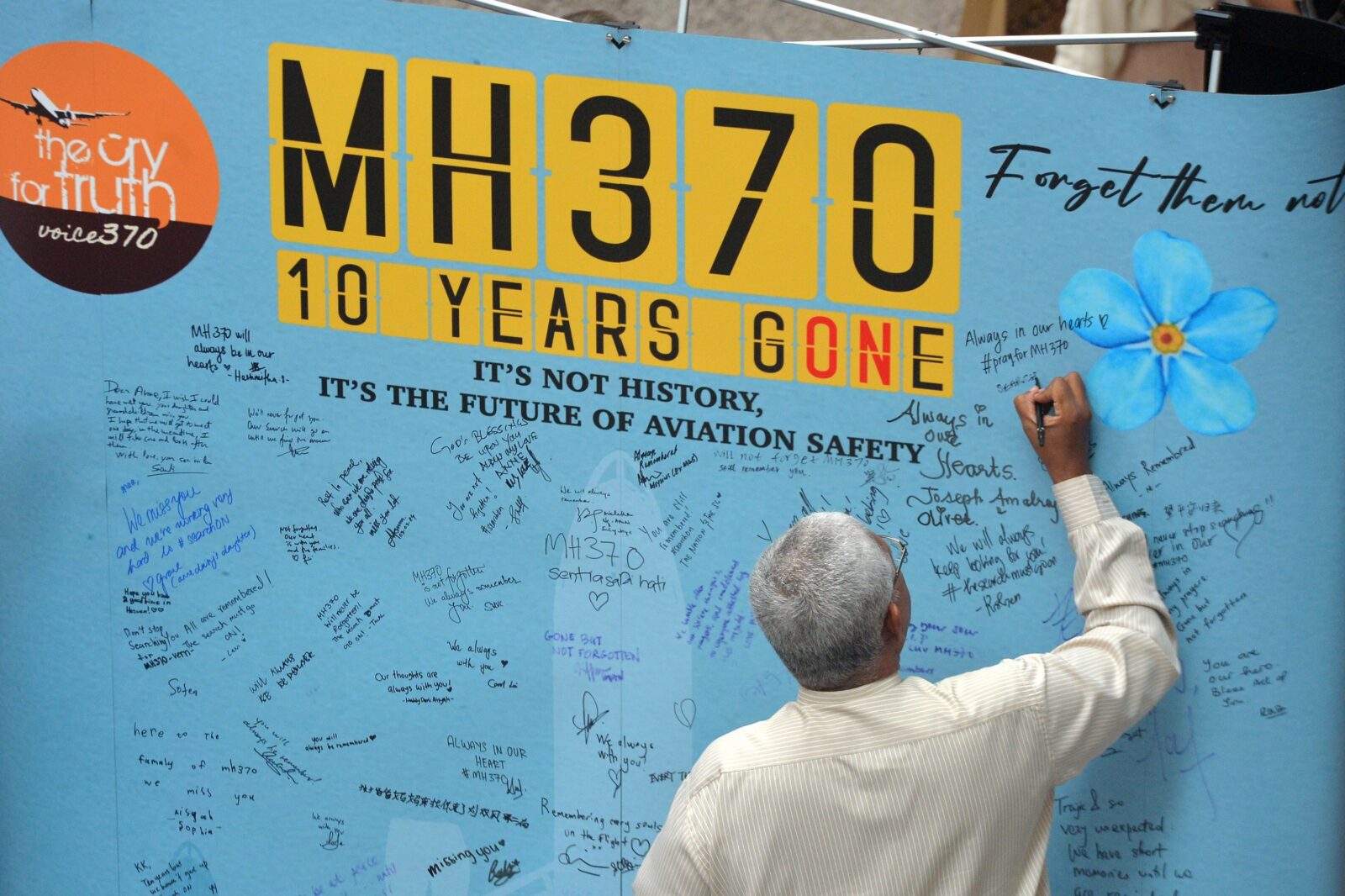
Nearly 12 years after the fateful events of March 8, 2014, Malaysian authorities are once again trying to get to the bottom of one of the biggest mysteries in modern-day aviation history: What happened to Malaysian Airlines flight MH370 and all of the passengers and crew on board?
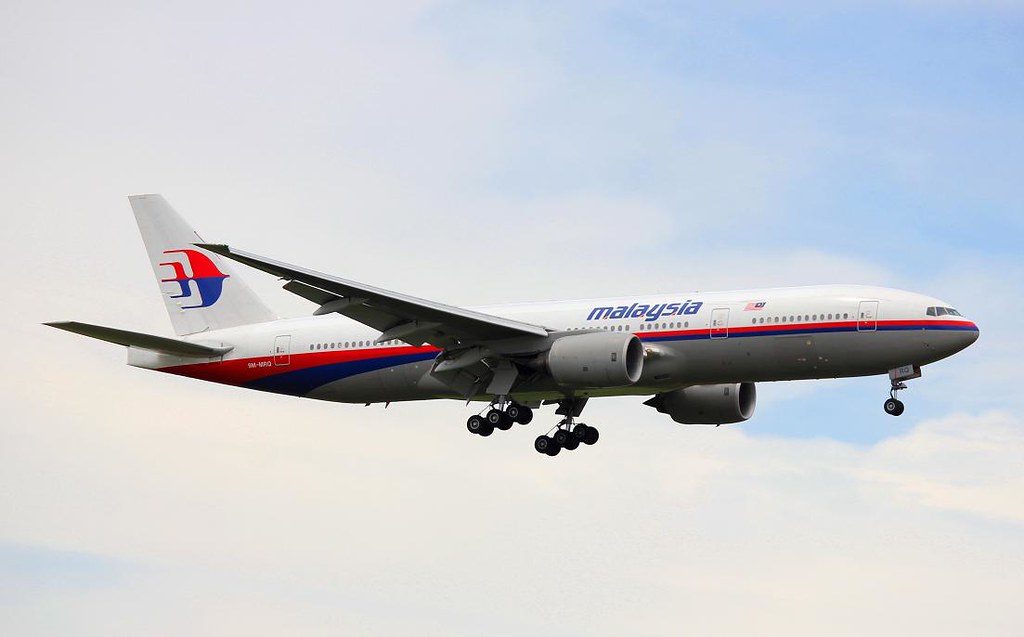
‘No find, No fee’ search effort by private survey firm
On Wednesday, Malaysia’s Ministry of Transport announced that it had awarded a contract to the seabed exploration and robotics firm Ocean Infinity to resume deep-sea searching for the remains of MH370.
The search is expected to get underway on December 30, 2025, and last for a maximum of 55 days on a ‘no find, no fee’ basis – that means that Ocean Infinity will get paid a reported fee of US $70 million if it locates the remains of the aircraft.
In a statement, the transport ministry said the search would be limited to an area that is “assessed to have the highest probability of locating the aircraft”: a roughly 5,000-square-kilometre zone in the southern Indian Ocean.
The statement added: “The latest development underscores the Government of Malaysia’s commitment in providing closure to the families affected by this tragedy.”
The fateful flight of MH370
Malaysian Airlines MH370 from Kuala Lumpur to Beijing disappeared on March 8, 2014, with 227 passengers and 12 crew members onboard.
The Boeing 777-200 aircraft disappeared from air traffic control screens just 38 minutes after departure as it was flying over the South China sea.
The plane continued to be tracked by military radar for the next hour, but eventually left radar range.
The disappearance of MH370 triggered the most extensive search in human history, with authorities sweeping over 120,000 square kilometres of ocean up until 2017 in an attempt to locate the wreckage.
A second attempt to locate the plane was launched in January 2018 but was wound up just six months later without success.
Who is Ocean Infinity?
Based in Austin, Texas, Ocean Infinity describes itself as a marine robotics company that is building the largest fleet of sea-based robotic solutions in the world.
Its day-to-day business involves seabed mapping, seismic surveys, carrying out inspections of offshore installations, and environmental surveys, as well as deep-sea search and salvage.
Ocean Infinity was involved in the failed 2018 search effort, but in March of this year, the company signed another services agreement with Malaysia to resume the search for MH370.
Was MH370 a ‘murder suicide’?
Without the wreckage of MH370 and in the absence of other evidence, investigators are still at a loss as to what caused the plane to disappear without a trace.
Former Australian Prime Minister Tony Abbott, however, claims that early on into the investigation, Malaysian government officials suspected that one of the pilots could have been responsible for the loss of MH370 in a so-called ‘murder-suicide.’
“My understanding, my very clear understanding from the very top levels of the Malaysian government is that from very, very early on here, they thought it was murder-suicide by the pilot,” Abbott told Sky News Australia.
Investigators have looked into the possibility that Captain Zaharie Ahmad Shah deliberately downed the jet: this stems from deleted data from his home aircraft simulator that was allegedly unearthed.
There are, however, other competing theories as to what caused the disappearance of MH370, including:
- Possible crew incapacitation from hypoxia – similar to the crash of Helios Airways Flight 522 in 2005.
- A mid-air stall which the pilots failed to recover from – which is how Air France flight AF447 from Rio de Janeiro to Paris crashed into Atlantic Ocean in 2009.
- A cargo hold fire – as like what happened to a UPS Boeing 747-400 in 2010 in the United Arab Emirates.
- A terrorist attack.
Bottom line
A deep-sea search of Malaysian Airlines flight MH370 is set to resume on December 30, 2025. The search will be carried out by marine robotics firm Ocean Infinity, which will have 55 days to attempt to locate the wreckage. If Ocean Infinity succeeds, it is set to be awarded $70 million. If it fails, the company is on the hook for all the expenses it incurs.