



Qantas Boeing 737 Took Off Nearly 5 Tons Heavier Than Pilots Thought After One Mistyped Code Triggered Dozens Of Failures

- The major safety lapse meant the aircraft was 4,291 kg heavier than the pilots thought - a critical metric used to calculate takeoff performance.
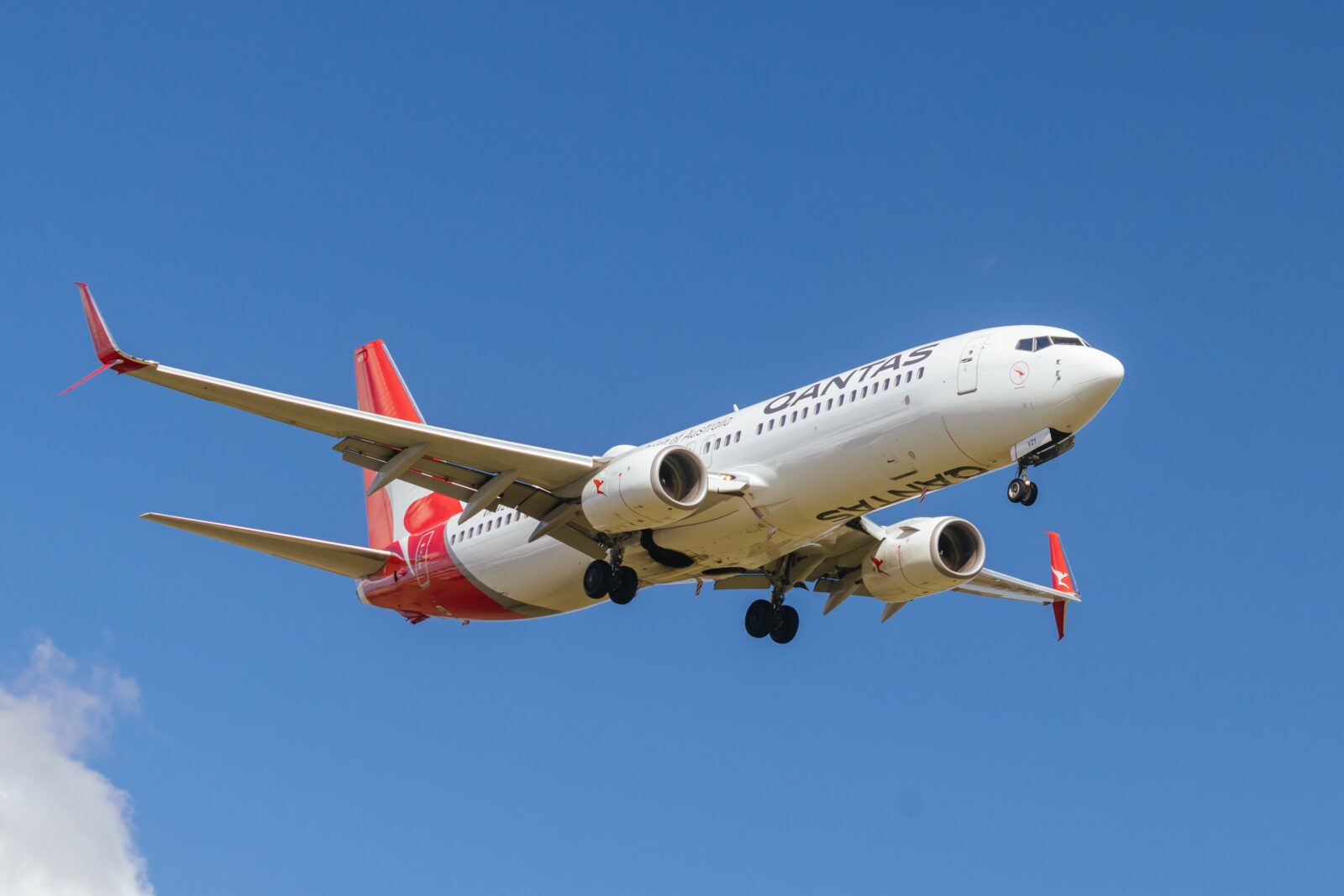
A single keystroke error by an airport staffer triggered a cascading system failure across multiple departments that left the pilots of a Qantas Boeing 737 believing that there were 51 fewer passengers onboard than there actually were, a damning safety report has concluded.
That might not sound like a big deal, but the ‘ghost’ passengers meant the pilots were configuring the aircraft at nearly 5 tons lighter than it actually was: a potentially dangerous miscalculation that safety experts say could have resulted in a “consequential outcome.”
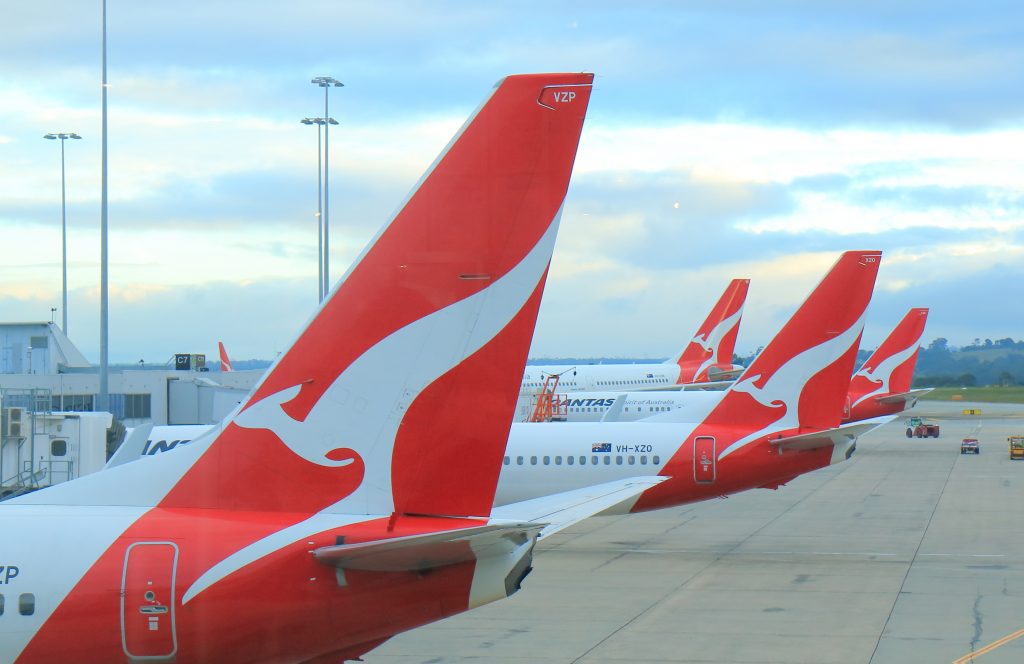
Qantas Boeing 737 diverts to Canberra
The incident occurred on December 1, 2024, when a Qantas Airways flight from Perth to Sydney was forced to divert to Canberra due to storms that had temporarily shuttered Sydney Airport.
The idea was to make a short stopover in Canberra, while waiting for the storms to clear in Sydney, and continue on their journey as soon as it was safe to do so.
The Boeing 737 arrived at the gate in Canberra at around 3:15 pm, and the passengers were allowed to deplane into the terminal along with passengers from other flights that had diverted due to the bad weather in Sydney.
Airport staffer inputs wrong aircraft code into planning system
To prepare the plane for the onward flight from Canberra to Sydney, a Qantas staffer known as the Customer Journey Lead had to add to create a so-called ‘addstop’ in the airline’s inventory computer system.
To do so, the staffer had to manually input the aircraft code. They looked up the code, which was 73RA01, but with so much going on due to all the diversions and under pressure to prepare the onward flight as fast as possible, the worker accidentally input the code 71RA01.
This code is for the much smaller Boeing 717, which has fewer overall seats than the 737 and no Business Class cabin.
The computer system did try to warn the staffer with a pop-up box, but because the software has so many of these pop-ups, the worker just clicked through without fully understanding what it was saying.
As a result, the system offloaded all the Business Class passengers from the flight and placed others on standby.
Gate agents were tasked with passing on critical information to pilots
Thankfully, the Customer Journey Lead almost immediately realized their error and set about trying to reverse the mistake. That wasn’t, however, particularly easy as it required the flight being ‘unlocked’ by a manager.
To make matters worse, the manager who could do this was off-duty. Eventually, though contact was made, and the flight was unlocked. The aircraft code was changed to the correct 73RA01, and all was well and good.
Not so fast: the system kept the offloaded passengers on standby, and no one initially noticed the mistake.
This information was then used to create the loadsheet for the flight, which includes information about the weight of the aircraft. This information is then fed into the aircraft computers to calculate the plane’s optimal performance.
This was only picked up when the passengers reboarded the plane, and the gate agents noticed a large number of passengers were still showing as being on standby for the flight.
Despite some concerns about the loadsheet data, the department responsible for finalizing these figures passed on the loadsheet to the pilots. Within a minute, they noticed the error, but it was already too late.
To avoid distractions while they input the data into the cockpit computer, the pilots ignored a phone call on their cell phones and turned off the radio, where the airport control center was trying to alert them to the mistake.
When the control center couldn’t get in touch with the pilots, they asked a gate agent to relay the message to the pilots once they were free. The gate agent recalls discussing this with the head member of the cabin crew, but the message never got passed on to the pilots.
It wasn’t until the plane had taken off and was at 15,000 feet that the pilots received a so-called ACARS message in the cockpit to alert them to the loadsheet error.
Timeline of events
| 3:15 pm | The Boeing 737 arrives at the gate in Canberra |
| 3:26 pm | Airport staffer inputs the wrong aircraft code into the inventory system, resulting in 51 passengers being offloaded. |
| 3:32 pm | Off-duty manager contacted at home to unlock the flight. The correct aircraft type is inputted, but no one realizes that passengers have been offloaded. |
| 4:32 pm | Passengers reboard the plane to continue their journey to Sydney. |
| 4:46 pm | All passengers have boarded, and at this point, the airline becomes aware of a large number of passengers on standby. |
| 5:00 pm | Load control issues a final loadsheet to the pilots despite having concerns about the validity of the data. |
| 5:04 pm | The load controllers realize what has happened and attempt to contact the pilots. |
| 5:05 pm | When they couldn’t get in touch with the pilots, a customer service agent was tasked with passing on the message. |
| 5:12 pm | The aircraft doors are shut, but the pilots are still none the wiser to the discrepancy. |
| 5:37 pm | Pilots receive a message in the cockpit saying that load control is aware of an issue. |
What accident investigators have to say
Dr Stuart Godley, who is the Director of Transport Safety at the Australian Transport Safety Bureau (ATSB), says the error “increased the risk of degraded performance and handling characteristics during the take-off.”
“Fortunately, the flight crew elected to use the full length of the runway for the take-off, and did not apply the headwind component, which added an increased safety margin for take-off performance,” Dr Godley continued.
In other words, the additional safety margins that the pilots built into their takeoff plan were sufficient to ensure that the takeoff passed off without incident, but Dr Godley warns that the incorrect data could have led “to a more consequential outcome.”
How Qantas is changing procedures to prevent a repeat
Following an investigation by the ATSB, Qantas has implemented a number of changes to its internal procedures to ensure a similar mistake can’t happen in the future.
These changes include:
- As part of revised diversion protocols, airport staff must now carry out a passenger headcount if a discrepancy is identified.
- When information has to be passed to the pilots on the ground but they are uncontactable, air traffic control must now be informed to ensure that the plane does not depart until the information is properly relayed.
Bottom line
The single data entry error cascaded into a litany of mistakes that resulted in the pilots of a Qantas Boeing 737 believing there were 51 fewer passengers onboard than there actually were.
This data is used to determine the weight of the takeoff and the takeoff performance. Thankfully, in this case, the pilots had built in additional safety margins to their takeoff.


Firstly, your title is incorrect. One ton is 2,000 Lbs. 4,291 Lbs would be just over two tons, not 5.
This is for a US ton.
Very strange that attendants do do a “final” head count prior to departure, as well as aircraft having built in “weight” scale as for weight/balance of passengers and cargo.. Being off by 5000LBS is significant enough for cabin alarms to go off..The fact that the Tower didn’t HOLD the plane for departure..
Equally surprising is that there’s only ONE manager with authority to override the system..
This story flys in the face of just how “SAFE” QANTAS really is..??
I’m not sure this story is entirely accurate or QANTAS is LESS safe than I ever thought..!!