



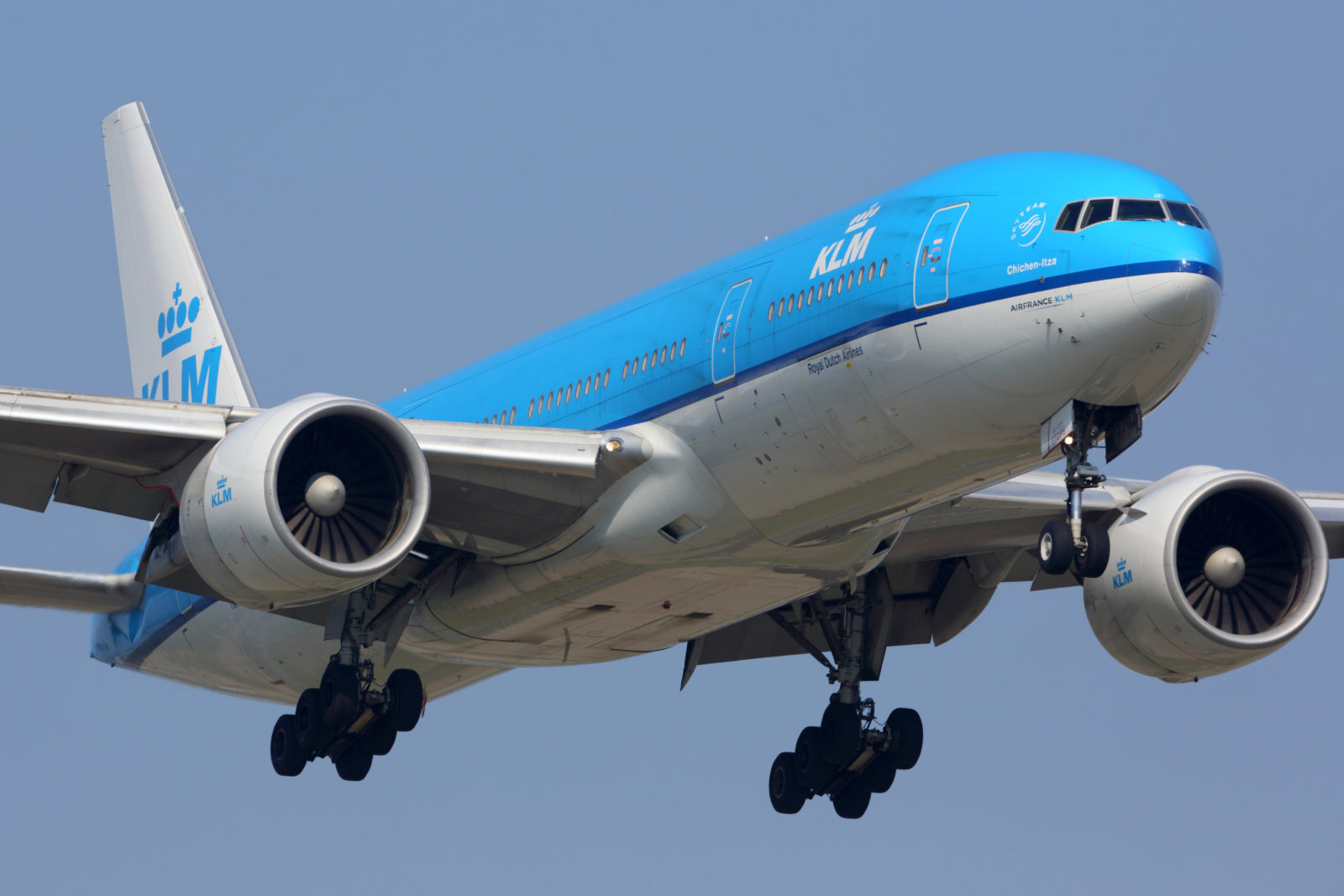
The Dutch flag carrier KLM is struggling to rebook thousands of passengers who have been left stranded by the airline’s sudden decision to nix all flights to the Middle East until further notice.
On Friday, KLM Royal Dutch Airlines unexpectedly announced its aircraft would be avoiding airspace in several countries in the Gulf region due to the “geopolitical situation.” As a result, flights to Dubai, Riyadh, Dammam, and Tel Aviv have been axed.
KLM cancels flights to the Middle East
Without any warning on Friday afternoon, KLM said it was cancelling flights to:
- Dubai, United Arab Emirates
- Damman, Saudi Arabia
- Riyadh, Saudi Arabia,
- Tel Aviv, Israel
While a spokesperson for the airline noted that the decision to axe all flights to the Middle East had been made after consultation with Dutch authorities, it stands in stark contrast to other European carriers that are maintaining their schedules to the region.
Even Air France, which canceled one flight between Paris Charles de Gaulle and Dubai on Friday night, seemingly as a reaction to KLM’s decision, has reinstated its usual schedule on Saturday.
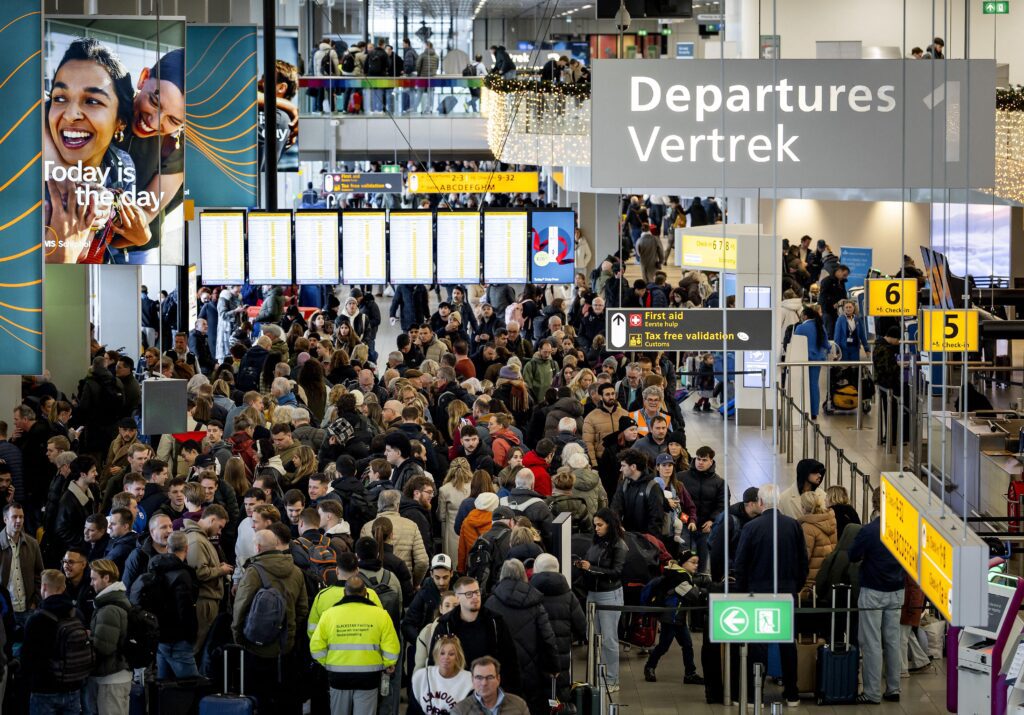
The problem that KLM now faces is rebooking thousands of passengers who were due to fly to and from its hub in Amsterdam and the four destinations in the Middle East to which it has suspended flights.
According to local media, some passengers who were due to travel this weekend are still waiting for replacement flights to be arranged as KLM works to get affected passengers rebooked on flights operated by other airlines.
Decision comes as US military continues build up in region
Aside from citing the ‘geopolitical situation,’ KLM hasn’t explicitly stated the reason for cancelling flights to the Middle East, although it’s believed to be linked to concerns that the US military is preparing to launch a strike on Iran.
The USS Lincoln carrier strike group is heading towards the Gulf of Oma,n where it could carry out strikes on the Iranian regime, although it’s believed that President Trump is yet to make a final decision on any possible attack.
If strikes do go ahead, Iran has warned that it would consider it a declaration of all-out war, which could lead to a serious escalation in the security region throughout the Gulf.
Are passengers eligible for compensation?
Passengers who were due to travel on any KLM flights to or from the Middle East within 14 days of Friday afternoon’s cancellation announcement could be eligible for compensation under Europe’s EC261 passenger rights rules.
Compensation amounts are calculated using the flight distance, as follows:
- Flights 1,500 km or less = €250
- Flights between 1 500 and 3 500 km = €400
- Flights more than 3,500 km = €600
Therefore, passengers booked on flights to and from Tel Aviv would potentially be eligible for compensation of €400 per passenger (as the distance is below 3,500 km), while passengers booked on flights to and from Damman, Riyadh, and Dubai could be eligible for compensation of €600 per person.
The reason that it’s difficult to definitively say whether passengers are eligible for compensation is that airlines don’t have to make a payout if they can prove the cancellation was due to an ‘extraordinary circumstance.’
A serious security situation would ordinarily be considered an ‘extraordinary circumstance,’ so expect a legal tug of war by passengers trying to make claims stemming from these cancellations.
Expect passenger rights lawyers to argue that, given KLM made its decision of its own accord, and no other airlines followed suit, that an extraordinary circumstance did not exist.
If KLM contests these claims, though, legal proceedings could drag on for some time.
In any case, passengers are entitled to re-routing or a full refund.


I think KLM was overreacting on these routes. They could have dropped the frequency or taken a more wait-and-see approach on this.