



Accident Investigators Slam Airline for Skipping Safety Fix That Triggered Mid-Air Decompression

- Accident investigators say it was "incomprehensible" why SWISS International Air Lines had not replaced the faulty part nearly eight years after a a safety recommendation to do so.
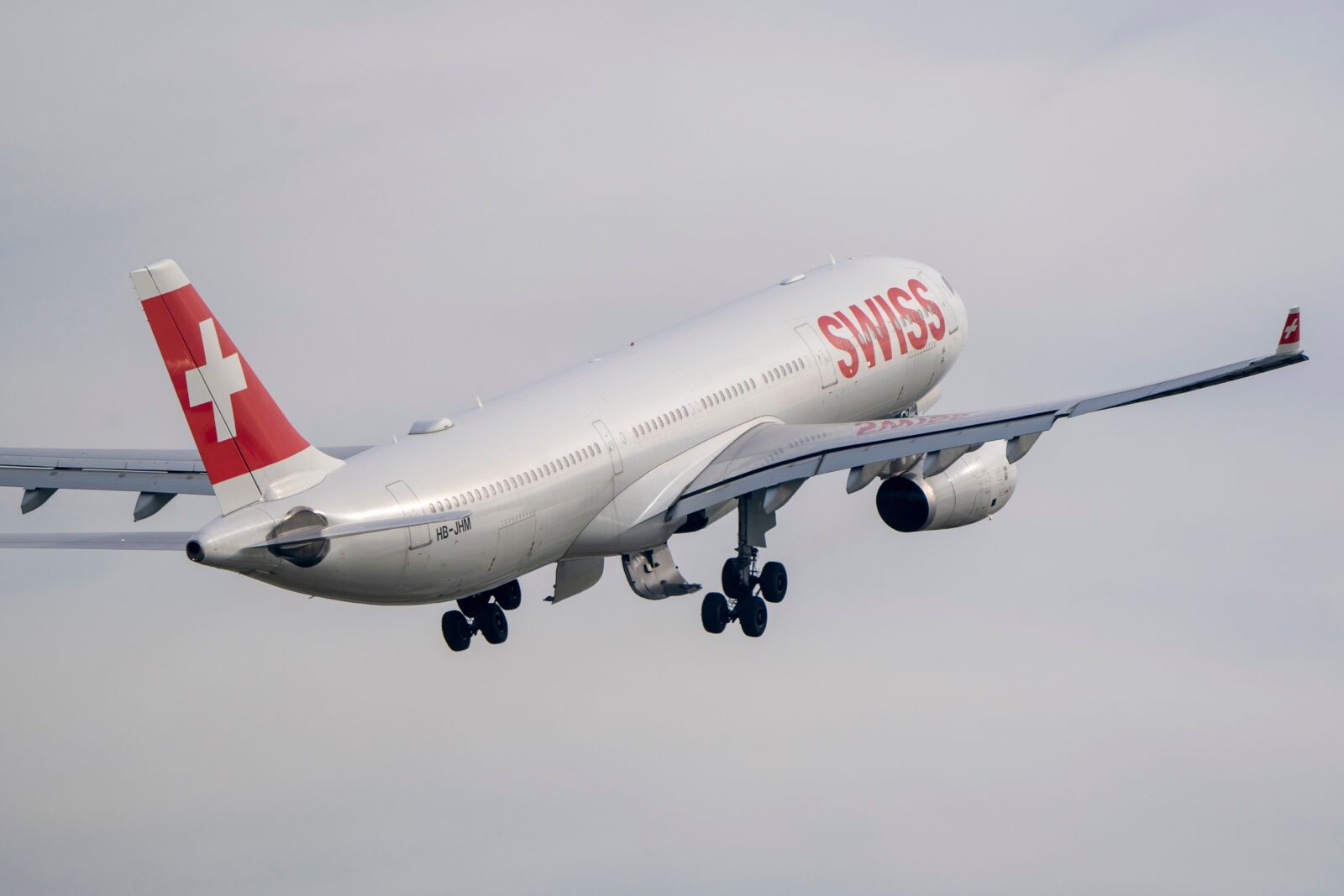
The flag carrier of Switzerland failed to replace a faulty part on an Airbus A330 that led to a decompression and an emergency landing in September 2024 because the airline decided it didn’t want to spend the money to fix the problem, despite the issue having been known for nearly 8 years.
Accident investigators slammed the money-saving decision as “incomprehensible from a safety perspective,” especially given that the airline had to carry out inspections on the faulty part every two years.
Airbus A330 makes emergency landing after decompression
On September 13, 2024, SWISS International Air Lines flight LX-18 departed Zurich International Airport with 205 passengers on board for what should have been a routine transatlantic flight to Newark.
As the Airbus A330 was still in its initial climb to cruising altitude, the two pilots received an alert in the cockpit alerting them to an issue with the pressurization system, which makes it possible for passengers and crew to breathe at high-altitude.
The pilots checked the necessary settings, and although everything was set as it should be, the plane could not pressurize the cabin as needed. The pilots quickly donned their oxygen masks, manually deployed the oxygen masks in the cabin, and then declared a ‘mayday’ before initiating an emergency return to Zurich.
The aircraft descended at a rate of 5,000 feet per minute as the pilots worked to get the aircraft back to a safe altitude before making an overweight landing without further incident.
Investigators trace cause of accident to faulty seal
Investigators from the Swiss Transportation Safety Investigation Board (STSB) were called in, and a technical inspection of the aircraft was ordered. This revealed damage around the low-pressure manifold and the emergency ram air inlet of the cabin pressure system.
The root cause of this damage was then traced to a so-called ‘skin check valve’, which is essentially a one-way air valve that allows air into the cabin but prevents pressurised air from escaping.
The skin check valve is meant to remain closed, but investigators discovered that the hinge and other components of the valve were badly damaged, meaning that pressurized air was escaping.
Airline admitted that it didn’t replace seal because of the costs involved
Airbus told investigators that the skin check valves are generally considered “very robust,” but in 2016, the manufacturer issued a safety bulletin advising operators of the A330 to replace skin check valves with a modified version after receiving multiple reports from other airlines about them failing.
Airbus advised airlines to replace the skin check valves on their affected aircraft as soon as possible to avoid “significant operational disruptions.”
A year after this service bulletin was issued, however, SWISS decided that the old skin check valves were reliable, rejecting the proposed replacement on the grounds of costs.
This decision, however, baffled accident investigators who pointed out that SWISS was required to inspect the skin check valves at least once every 24 months, which requires the part to be removed, manually inspected, and reinstalled.
In other words, it wouldn’t have taken much more effort to install the replacement skin check valve during one of these scheduled checks.
Bottom line
Accident investigators determined that the decision not to replace the skin check valve was a causal reason behind the decompression of flight LX-18 in September 2024.
Although SWISS had rejected a replacement program, partly on the grounds that they believed the existing skin check valves were reliable, the airline also admitted that the decision was also down to costs.
In their final report, investigators said this decision was “incomprehensible from a safety perspective.”