



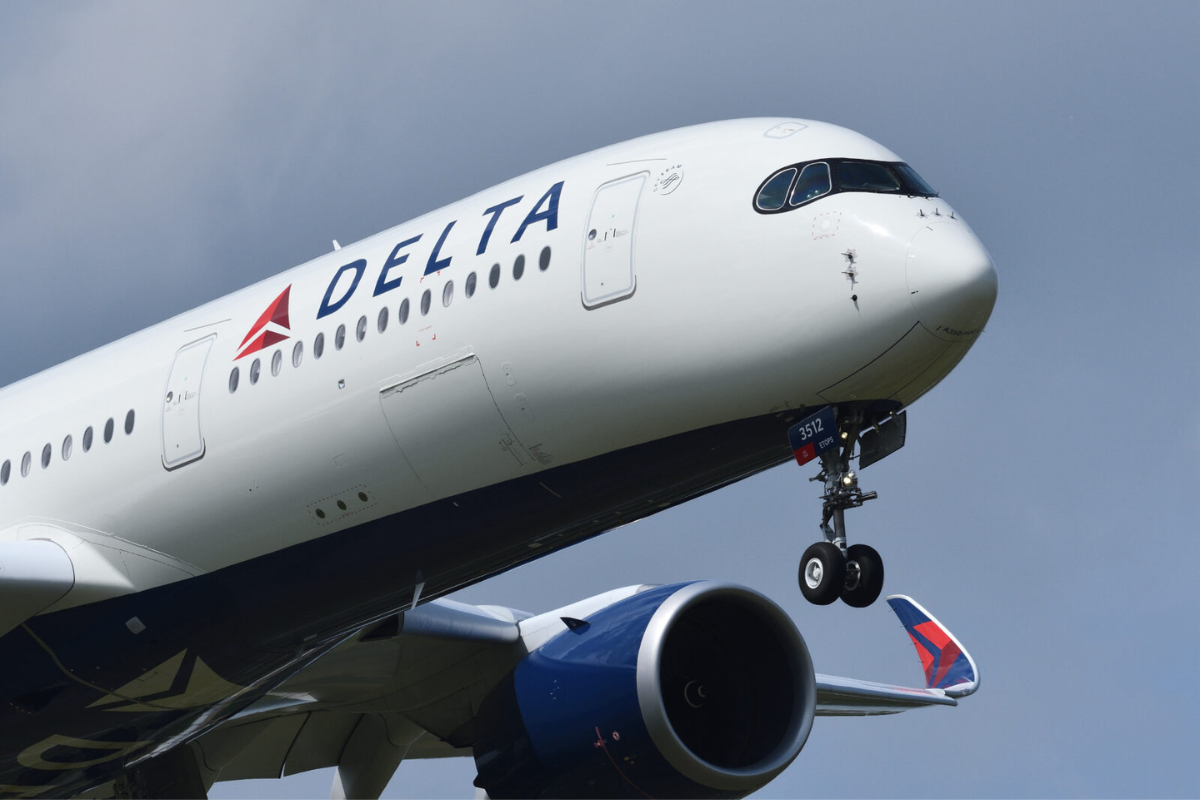
Delta Air Lines is on a roll, ordering billions of dollars’ worth of new widebody aircraft as it not only seeks to replace rapidly aging airplanes but also fuel a strategic international expansion in the years ahead.
The latest order was another win for Delta’s long-term partner, the European aircraft manufacturer, Airbus, after the Atlanta-based carrier placed a rare new order with rival Boeing earlier this month.
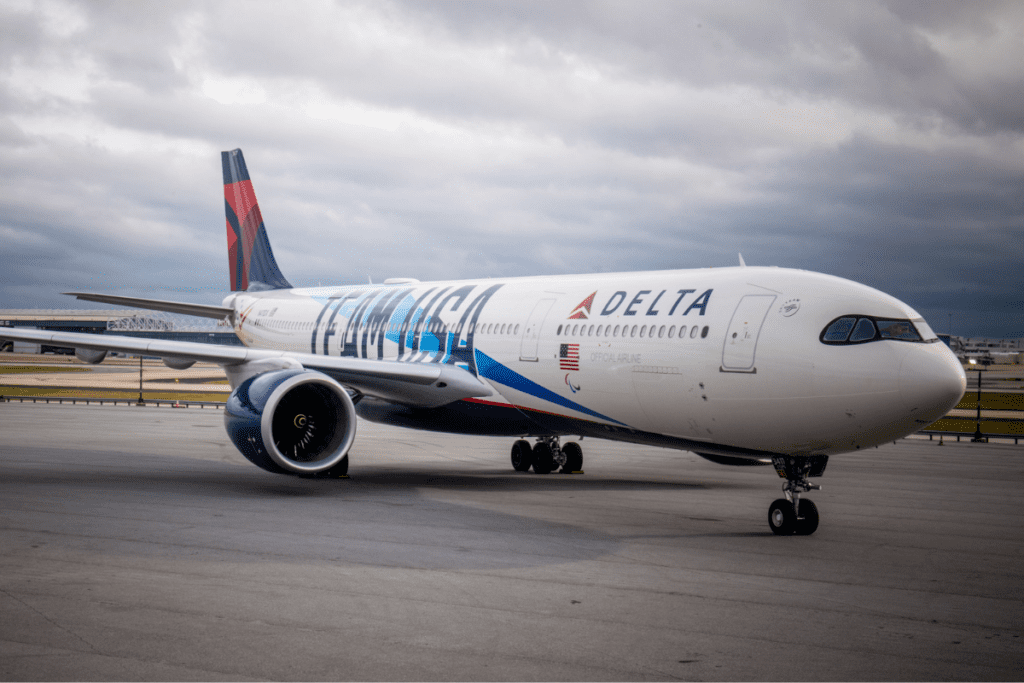
Delta orders 31 new widebody jets
After more than a week of speculation that Delta was close to placing a new aircraft order with Airbus, on Tuesday, the airline confirmed that it had sealed a deal with the European aircraft manufacturer.
The deal includes:
- 16 Airbus A330-900
- 15 Airbus A350-900
- Options for 20 additional widebody jets
Deliveries are set to begin in 2029, and once complete, will grow Delta’s widebody Airbus fleet to 55 A330-900s and 79 A350s, 20 of which will be the larger A350-1000 variant.
Along with securing another win for Airbus, the latest order secures additional business for the British engine manufacturer Rolls-Royce, which will supply its Trent 7000 engines for the A330-900 jets and the latest generation Trent XWB-84 EP for its new order of A350s.
Delta also orders up to 60 Boeing 787 Dreamliners
Over the last few years, Delta has built its widebody fleet renewal around Airbus jets, but earlier this month, the airline signed a rare deal with American aerospace giant Boeing for up to 60 Boeing 787 Dreamliners.
- 30 Boeing 787-10 Dreamliners are on full order
- The remaining 30 are options
The order was seen as a major win for President Trump, who has pushed airlines to order Boeing and is credited with securing more new orders for the Chicago-based manufacturer over Airbus.
The Dreamliner range can be powered by either American-made General Electric GEnx engines or Rolls-Royce Trent 100 engines. But in another win for the Trump administration, Delta has confirmed that it has opted for the American-made GE Aerospace engines.
Although Delta does have a significantly sized fleet of long-haul Boeing aircraft, in the form of various variants of the 767, these are slowly being phased out, and until this latest order from Boeing, the airline’s renewal plans had been built exclusively around Airbus planes.
CEO says Delta “values” relationship with Airbus
Commenting on the new order, Delta chief executive Ed Bastian threw his weight behind Airbus, saying: “We value our long-standing partnership with Airbus, and with these widebody aircraft we will see long-term growth and cost benefits for years to come.”
Bastian added: “As we grow our international footprint and prepare our fleet to serve expanded long-haul markets, these aircraft will enhance our capabilities and elevate our premium offerings.”
The comments come just days after the head of Airbus, Guillaume Faury, warned in an internal memo that the manufacturer was facing “significant” headwinds from trade protectionism.
“The beginning of 2026 is marked by an unprecedented number of crises and by unsettling geopolitical developments,” Faury warned. “The industrial landscape in which we operate is sown with difficulties, exacerbated by the confrontation between the US and China.”
How Delta avoids tariffs on Airbus deliveries
Given that new Airbus jets delivered from Europe are currently subject to US tariffs, Delta and Airbus have had to exploit a loophole to ensure that the ticket price doesn’t attract a nasty additional tax.
This involves Airbus first flying new widebody jets built in Europe to a third country, commonly Japan, where Delta then takes delivery of the plane. Because the plane has already flown internationally, it is considered second-hand and not subject to tariffs.
In the past, Delta has also avoided using any planes that could be subject to tariffs on domestic flights within the US to ensure that tariffs don’t apply.