



Thousands of workers at the beleaguered ultra-low-cost carrier Spirit Airlines are breathing a huge collective sigh of relief after chief executive Dave Davis announced that a major deal had been struck with creditors that could allow it emerge from Chapter 11 bankruptcy as early as the Spring.
As a reminder, the Florida-based airline filed for Chapter 11 bankruptcy protection in the U.S. Bankruptcy Court for the Southern District of New York last August after weak revenues and mounting debts put its fate in real jeopardy.
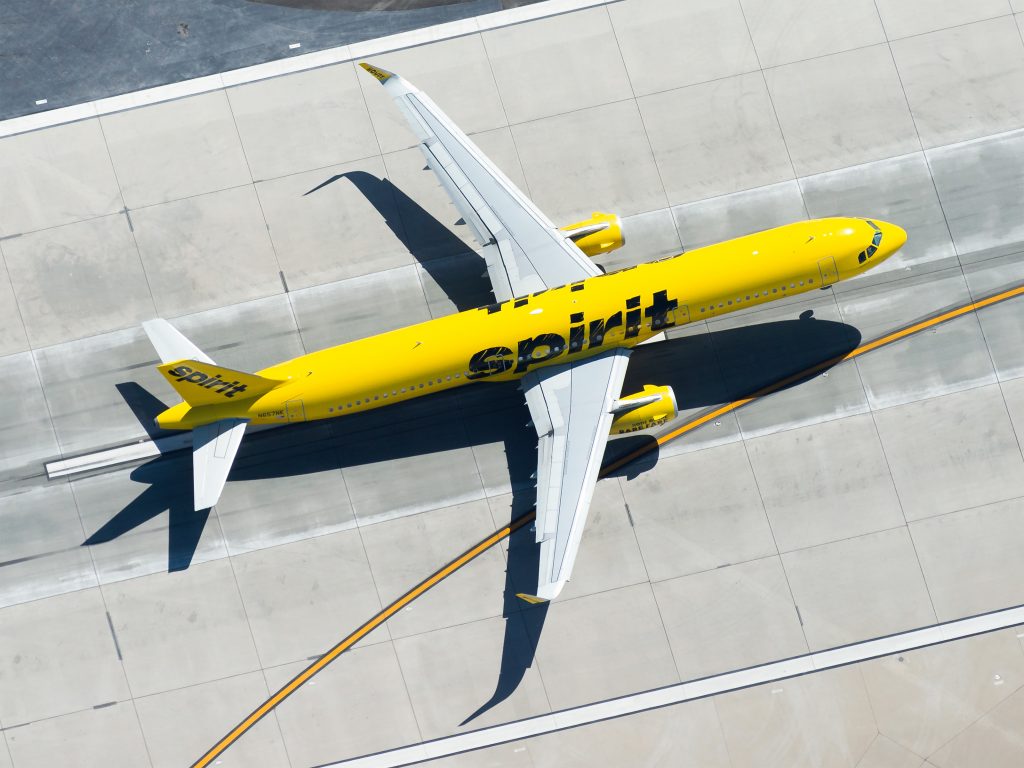
The filing marked the second time in less than a year that Spirit had entered Chapter 11, and while the first bankruptcy process was just focused on raising extra capital, the airline quickly burned through the cash, putting it back in the danger zone.
This Chapter 11 process has been fundamentally different. Creditors made it clear they weren’t interested in extending the airline’s funding unless Spirit carried out a full assessment of its business to slash costs and find healthy revenue streams.
Spirit set about slashing unprofitable routes, retreating from weak markets, and returning aircraft, airport gates, and real estate that it could no longer afford.
At the heart of Spirit’s turnaround plan is shrinking itself back to profitability, by cutting costs and focusing on flying the right routes at the right times.
But while Spirit had a plan, it also needed additional capital to give it the time required to implement the strategy. That capital came in the form of $475 million in funding known as Debtor-In-Possession financing.
But creditors weren’t willing to give Spirit all this money in one lump sum. Instead, the funding would be released in tranches based on whether Spirit’s turnaround plan was going as well as they hoped.
An initial draw of $100 million from the DIP pot was authorized in October 2025, and a second draw of $75 million was made in November 2025. For the third draw of $100 million, Spirit was required to meet several critical predefined conditions by December 13. But having failed to meet those conditions by the deadline, the immediate future of Spirit was put in doubt.
Thankfully, the airline reached a compromise agreement with its lenders to amend the DIP agreement, and talks have been ongoing to reach a final agreement on releasing further funds.
On Tuesday, Spirit announced it had reached an agreement in principle with its creditors for the funding to complete its restructuring and emerge from Chapter 11 bankruptcy.
“This agreement in principle is the result of months of hard work and allows Spirit to move toward completing its transformation,” commented Davis as the deal was announced.
“Spirit will emerge as a strong, leaner competitor that is positioned to profitably deliver the value American consumers expect at a price they want to pay.”
If all goes to plan, Davis hopes Spirit will exit the Chapter 11 process in the Spring or early Summer.
There had been talk of Spirit meeting with rival Frontier Airlines over a potential merger, but that deal appears to be dead in the water. So too are rumors that Spirit was considering a buyout by the alternative investment firm Castlelake.
Following the announcement, the Association of Flight Attendants (AFA-CWA) said Spirit was now on a path to exit bankruptcy “with greater certainty than anyone expected or outside forces hoped.”
“Today, we can all breathe a sigh of relief. We all needed this,” the union told its members.
Last month, the Air Line Pilots Association (ALPA) wrote an open letter to key bondholder, Citadel, pleading with it to reach a deal with Spirit on further financing and warning that failure to do so “would destroy South Florida’s hometown airline” and with it, thousands of jobs.