



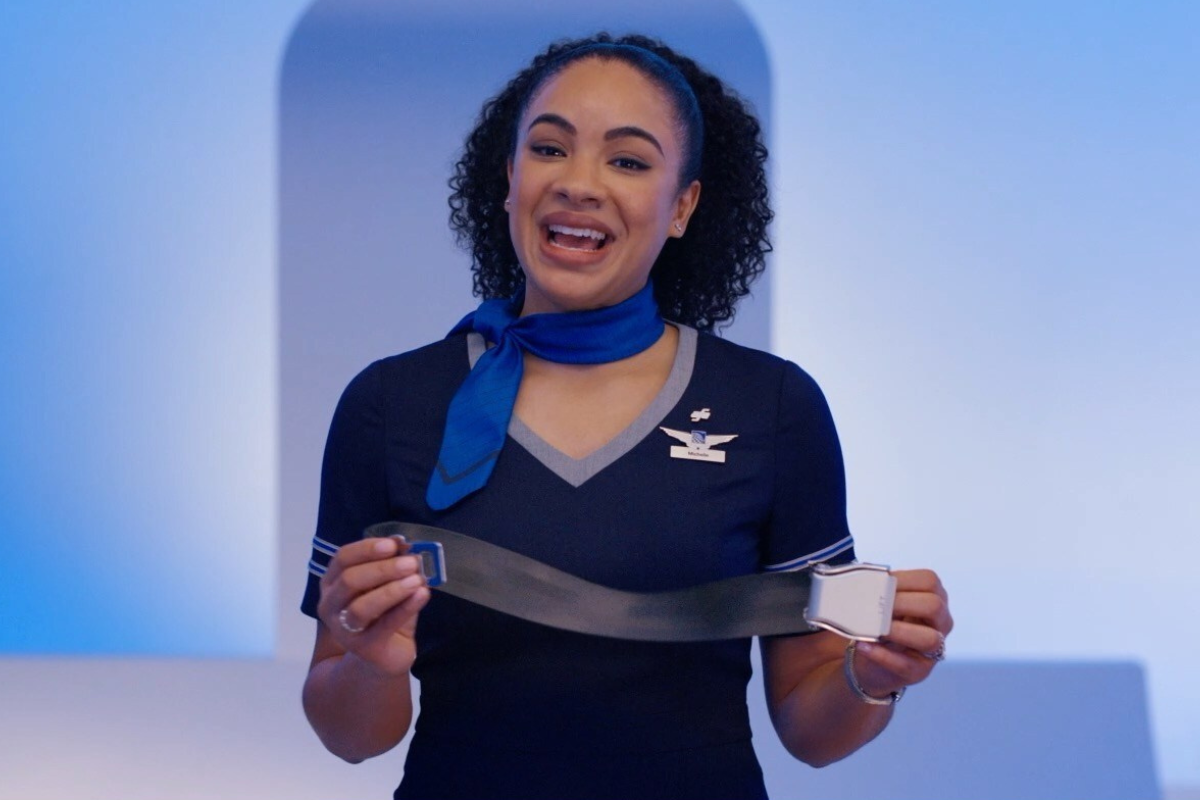
Flight attendants at United Airlines are scouring the full text of a new, highly anticipated tentative labor agreement that was released late on Friday night and trying to work out what the catch is, after the Chicago-based carrier promised pay rates that top out at more than $100 per hour.
In return for making its flight attendants the highest-paid crew members of any U.S.-based airline, United had been pushing for major concessions, but after months of intense negotiations, those concessions appear to have been dropped at the very last minute.
What is left is what United describes as an “industry-leading” contract that will introduce a slew of improvements, including the ‘boarding pay,’ a one-time ratification bonus (retroactive payment), and ‘sit pay,’ which would mean flight attendants earn money for extended waits between scheduled flights.
Importantly, United’s demands to introduce a new scheduling system known as a ‘preferential bidding system’ that would help the airline save money by making flight attendant rostering more efficient were dropped at the very last minute.
The agreement was reached on March 26, at the very end of federally mediated negotiations in Washington DC, but the full details of the latest agreement remained under wraps until the master executive council of the Association of Flight Attendants (AFA-CWA) gave its nod of approval for the tentative agreement to be put before its members.
Nearly six years in the works, the union had a massive hill to climb in improving upon an agreement that was rejected by its members last summer, while not accepting any concessions from United to fund the contract.
Here are some of the highlights of the new contract (the full agreement can be read here):
New pay scales
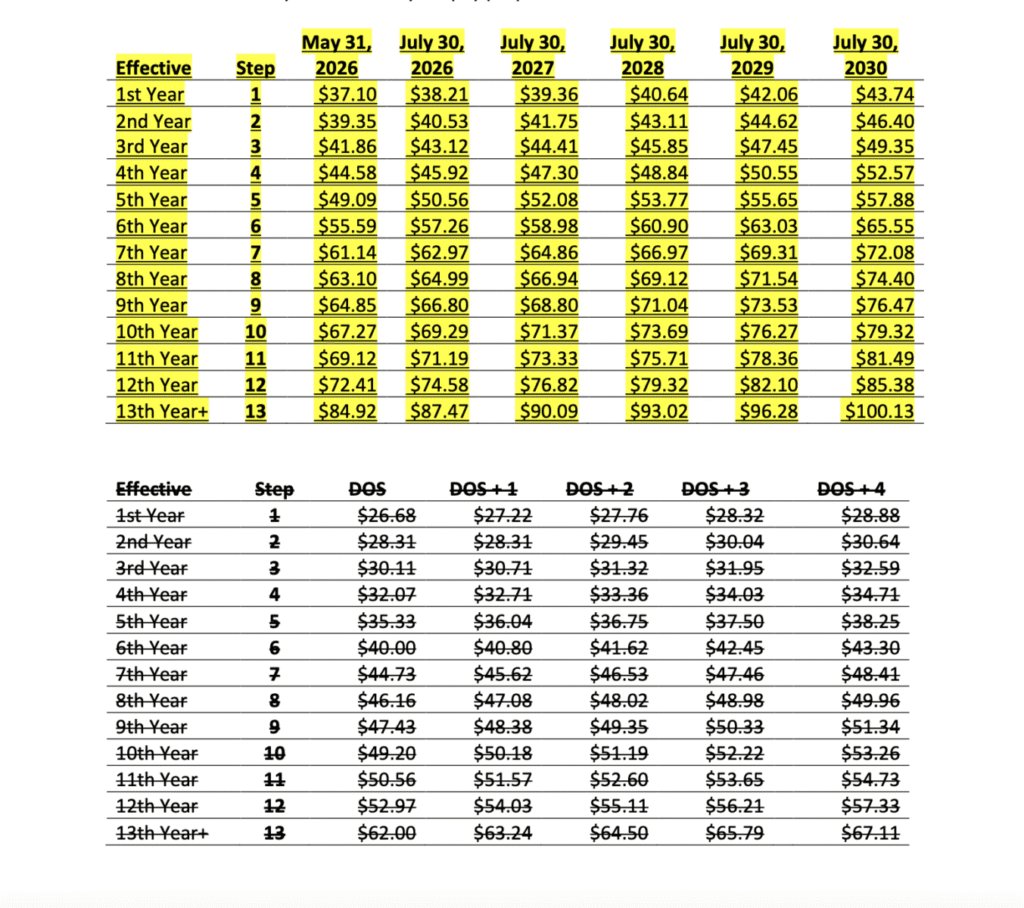
Hourly pay rates jump from $26.68 per hour for a new hire flight attendant to $37.10, while veteran crew members will see their pay rates jump from $62 to $84.92 in year one of the contract, topping out at $100.13 at the end of the five-year contract.
Boarding pay
Flight attendants will earn boarding pay for the first time, which will be paid at 50% of the standard hourly pay rate. Boarding pay is, however, only paid for the actual boarding of passengers based on the standard boarding time established by United.
In other words, if the flight ends up getting delayed at the gate after boarding has finished, flight attendants won’t continue earning boarding pay. If, however, the flight had to deplane and then reboard, flight attendants would earn boarding pay for both times.
Sit Pay
The flight attendant union originally went into contract negotiations wanting United to pay its members for all time spent on the ground while at work. The concept of ‘ground duty pay’ was dumped from the original tentative agreement, but the union returned to negotiations with a different ask.
Sit Pay is designed to stop United from scheduling long waits on the ground between flights when crew members have to stay at the airport waiting for their next assignment without pay.
The proposal is that Sit Pay kicks in when United schedules more than 2:30 hours of ground time between flights. It is paid at one minute for every two minutes of ground time in excess of two and a half hours. It is only based on the scheduled time and not adjusted due to delays.
Business Class Hotels
In the last tentative agreement, the union agreed to remove a line in the contract that guaranteed that flight attendants would stay in ‘business class’ hotels during work layovers.
This line has now been added back to the tentative agreement, along with new requirements for hotels selected by United to be clean and quiet.
Personal Time Off
United also wanted to eliminate a type of leave available to flight attendants known as ‘personal time off’ or PTO, citing the fact that crew members at other airlines in the U.S. had a similar scheme available to them.
Again, this concession was dropped at the last minute.
What happens next? Flight attendants will now have until April 23 to pore over the details of the contract before voting opens. The ballot will then close on May 12, and, if approved, the contract will come into force on May 31.
Should the agreement be approved, it will lock in a contract through August 2030, at which point the contract will become amendable once again, and the long process of bargaining is able to restart.
Given instability in the Middle East, rising oil prices, economic uncertainty at home, and an administration that isn’t seen as being friendly towards unions, flight attendants are likely to overwhelmingly vote in favor of approving this tentative agreement.