



President Trump’s war in Iran could have major implications for U.S.-based airlines that fly nowhere near the Persian Gulf, and will hurt airlines with the thinnest margins, like Frontier and Spirit Airlines, the most, the largest flight attendant union in the United States has warned.
Since the start of the war, the cost of crude oil and jet fuel has risen sharply, piling pressure on consumers and airlines – especially those with the thinnest margins like Frontier and Spirit Airlines.
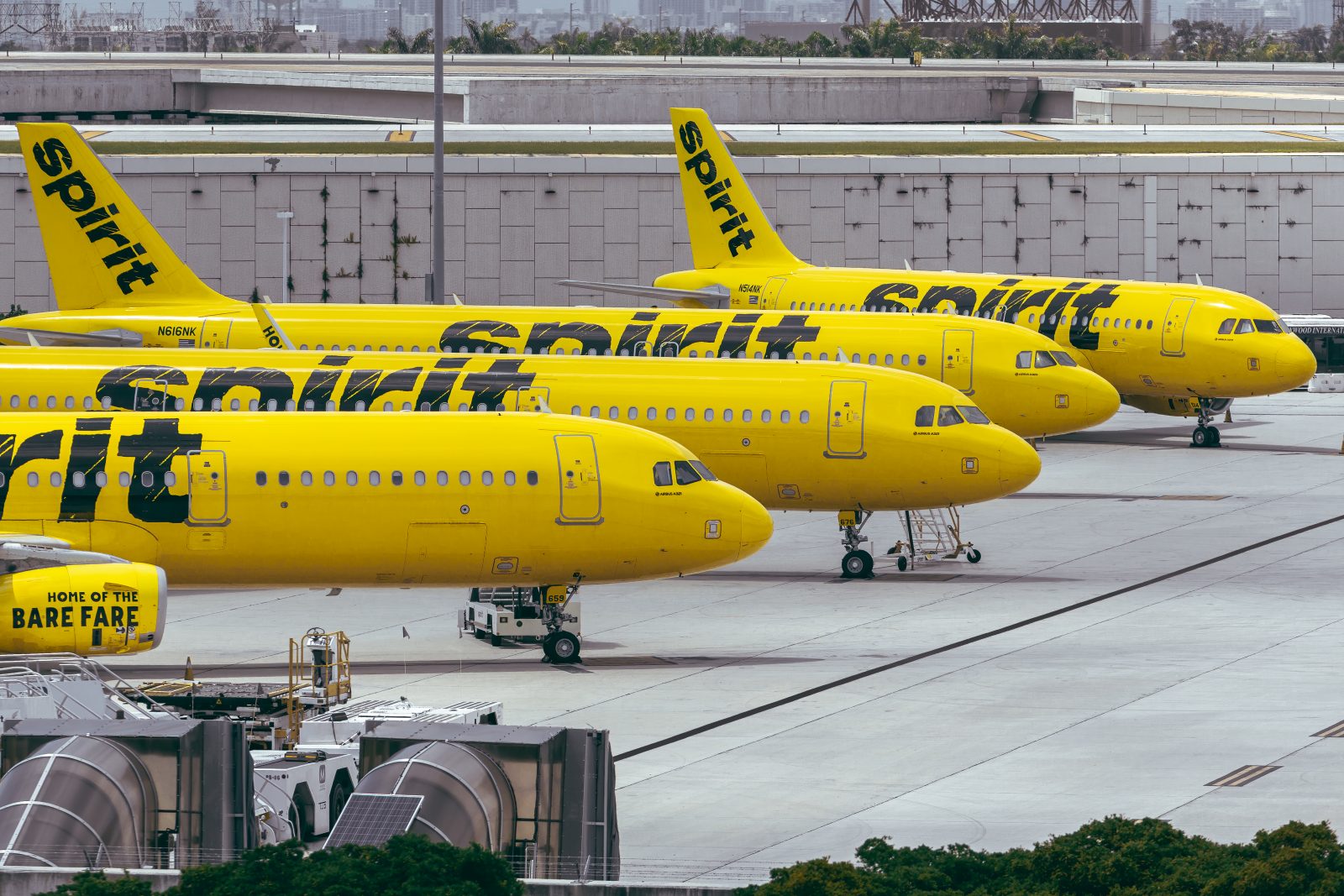
This kind of economic shock couldn’t come at a worse time for Spirit, which is hoping to emerge from Chapter 11 bankruptcy protection that has seen the Florida-based budget carrier go through a painful restructuring process.
Spirit’s future success is based on a two-part plan: First, by shrinking itself back to profitability by slashing underperforming routes and offloading unneeded planes, gates, and other infrastructure.
Second, by offering more premium options, because if there is an economic downturn as a result of this war, then Spirit’s traditional customer base is unlikely to be traveling as much.
Whether or not Spirit’s transformation plan has taken into account such a massive shock to fuel prices, however, remains to be seen.
A day before the Iran War started, it would cost a U.S. airline around £17,000 to fill up a Boeing 737-800 with jet fuel. By March 5, however, the cost had soared by more than 58% to $27,000 to fill up the same plane.
While airlines will have to absorb some of these costs, much of it will also be passed onto passengers in the form of higher airfares.
“In practical terms, airlines with the thinnest margins and least flexible supply chains are going to hurt the most,” the Association of Flight Attendants (AFA-CWA) warned.
“However, negative impacts will likely extend to every airline in the world. Fuel tends to be an airline’s second biggest expense, and even marginal price fluctuations can impact them dramatically,” the warning added.
“Roughly 20-30% of crude oil is produced in the Gulf region, and a closure would create a significant oil shock,” the analysis by the union continued.
It remains unclear whether the U.S. will be able to source enough fuel from elsewhere to keep costs down. In the meantime, President Trump is attempting to drum up support for a coalition of allied countries to patrol the Strait of Hormuz and protect cargo ships from Iranian attack.
Even if Trump is able to get the Strait of Hormuz reopened, damage to oil infrastructure across the region is serious, and missile and drone attacks continue.
While U.S. airlines like American, Delta, and United Airlines have stopped flying to the Middle East, the union warns that attacks on major hub airports in Abu Dhabi, Dubai, and Doha mean that a precedent has now been set, making civilian airports a ‘valid military target.’
On Monday, Sara Nelson, president of the AFA, called on governments across the Persian Gulf not to put airline passengers “in harm’s way” as suspected Iranian attacks on civil aviation targets continue unabated.
“We must be vigilant given the heightened risk to aviation workers, and we must ensure that no corners are cut on safety, with every passenger and worker knowing that they can return home safely,” Nelson explained.
Her warning came just hours after an Iranian missile exploded into a fuel tank at Dubai International Airport. In the aftermath of the attack, Emirates resumed flights to and from the airport even as smoke poured out of the damaged fuel tank.


The Gulf War was the end of Pan Am and Eastern, so sure.
Of course, Sarah Nelson will blame greedy managers and millionaires and billionaires.