



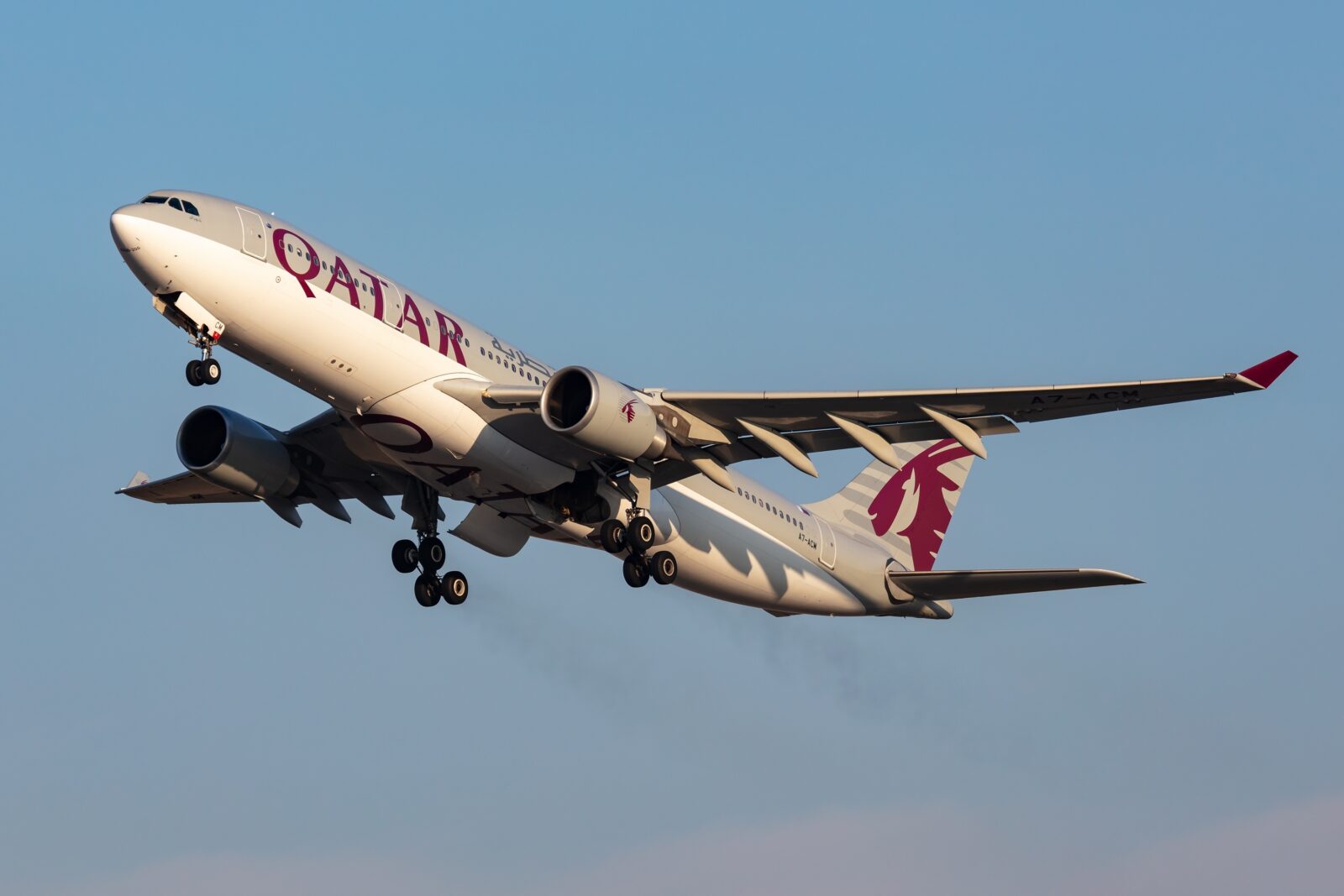
High up in the remote and mountainous region of Teruel in the Aragon province of Eastern Spain sits a rather unique airport where airplanes are only sent when they are not expected to fly again for a very long time… sometimes, never.
Teruel is the home of Tarmac Aerosave, a specialist aircraft storage, maintenance, and recycling firm with space for 120 aircraft to be put into deep storage for months and potentially even years at a time.
The airport came to prominence during the COVID-19 pandemic when airlines scrambled to find suitable storage facilities for unneeded airplanes that were surplus to requirements to sit unused for years at a time.
Given the bounce back in travel demand, Teruel hasn’t been as popular in the last few years, but the continuing war in Iran and the serious security situation that Persian Gulf countries face from their violent neighbor appear to have changed that dynamic.
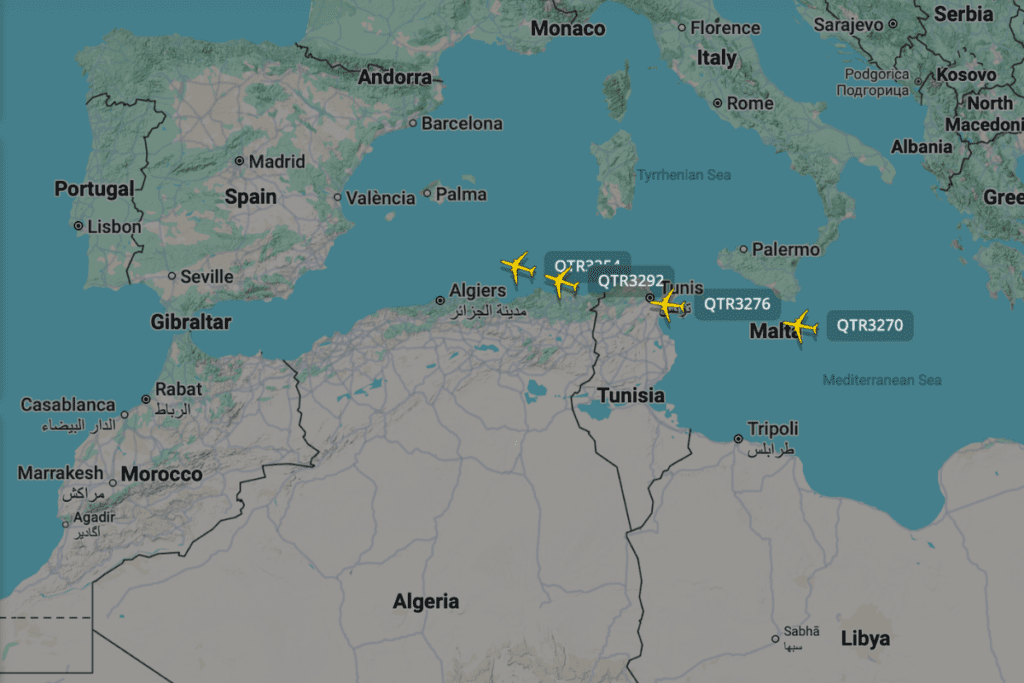
On Wednesday morning, four Qatar Airways Airbus A330 widebody jets departed Doha Hamad International Airport in quick succession… their destination? Tarmac Aerosave in Teruel.
Using special flight numbers to indicate that no passengers were onboard, Qatar Airways not only appears to be evacuating these aircraft out of harm’s way in Doha but also to a deep storage facility.
Qatar Airways has been badly hit by the Iran War: Airspace over Qatar has been effectively shut since February 28, and there’s no indication of when civil aviation regulators in the country might deem it safe enough for normal commercial flight operations to continue.
In the meantime, Qatar Airways has been given permission to operate a limited number of repatriation flights. On Wednesday, the airline is operating just 16 flights to Doha and a handful of flights from Doha.
The airline’s status as a so-called ‘super connector’ acting as a link between East and West through its Doha hub has been temporarily upended, although it remains unclear just how long the ‘temporarily’ timeframe means.
Last week, we witnessed Gulf Air evacuate its entire aircraft fleet out of Bahrain, but in this case, the airline only sent its airplanes to airports in neighboring Saudi Arabia.
When the security situation improves, Gulf Air will be able to quickly send its planes back to Bahrain so that normal operations can be resumed without delay.
In the case of the four Qatar Airways Airbus A330s, however, it seems as if the airline doesn’t think that these planes are going to be needed again for quite some time.
Airplanes need continuous maintenance, and when they are grounded for prolonged periods, problems can quickly emerge. It’s an issue that some airlines discovered the hard way when they returned aircraft to active flying after months-long pandemic-induced groundings.
In the case of a special facility like Tarmac Aerosave, the airplanes will be sealed from the outside elements. Given its location high in the Aragon mountains, the planes will be protected from saline and desert sand.
Even if the war were to end tomorrow, it seems as if Qatar Airways is preparing for a future in which travel demand through the Middle East will be dampened for some time to come.


“On Wednesday, the airline is operating just 16 flights to Doha and a handful of flights from Doha.”
?? They have 50-60 departures from Doha today, not including the ones going to storage, based on both the schedule for today released a few days ago and what FR24 shows as actually departed.